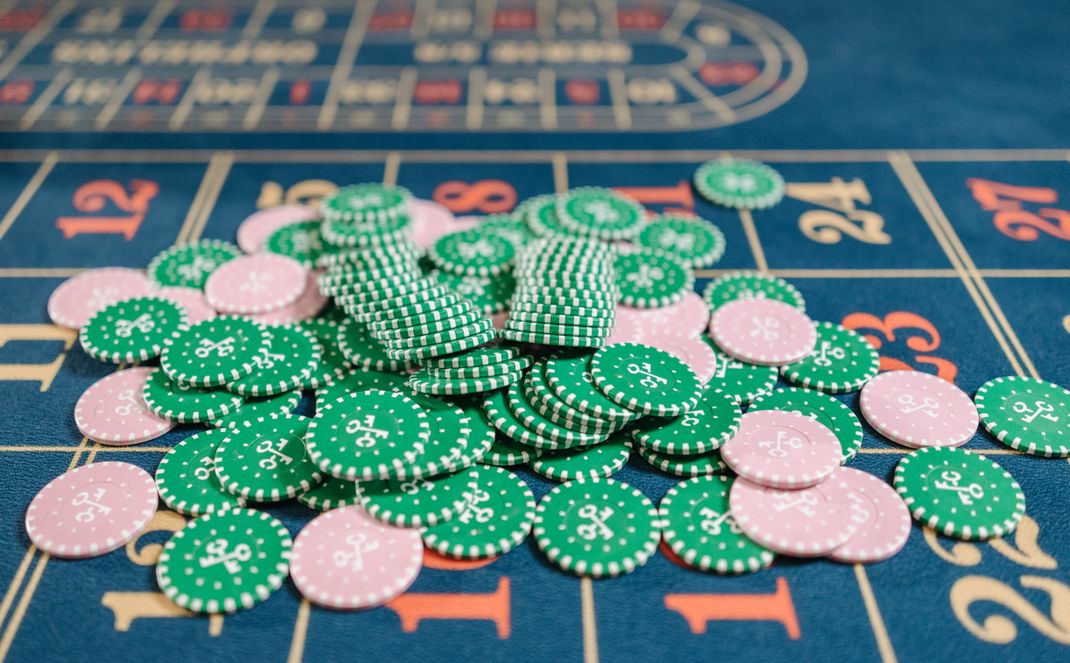
Im dynamischen Universum des Online Glücksspiels haben Aktionen und Verlosungen eine besondere Bedeutung für Spieler, die ihr Spielerlebnis optimieren möchten. Diese besonderen Angebote können Ihre Gewinnchancen deutlich verbessern und das Spielvergnügen erheblich steigern. Ob es um Boni, Freispiele oder Turniere geht, strategisches Nutzen dieser Aktionen ist der Schlüssel zum maximalen Erfolg. Spieler, die sich für Plattformen wie Jetzt spielen entscheiden, haben Zugang zu einem breiten Spektrum an Angeboten, die ihr Spielerlebnis bereichern. In diesem Artikel erfahren Sie, wie Sie diese Werbeaktionen effektiv nutzen können, um das Beste aus Ihrem Online Casino Erlebnis herauszuholen.
Die verschiedenen Arten von Casino-Aktionen
Willkommensboni und Einzahlungsbonusse
Eines der attraktivsten Angebote für neue Spieler sind die Willkommenspakete, die oft aus Kombinationen aus Einzahlungsbonus und Freispielen bestehen. Diese Aktionen sind darauf ausgelegt, neue Spieler anzuziehen und ihnen einen soliden Start zu ermöglichen. Wichtig bei diesen Angeboten ist es, die Umsatzbedingungen sorgfältig zu prüfen, um unangenehme Überraschungen zu vermeiden. Ein Blick auf die Nutzungsbedingungen bei Jetzt spielen lohnt sich vor der ersten Einzahlung. Einige Anbieter bieten auch spezielle Bonuscodes an, die zusätzliches Guthaben oder Freispiele freischalten können. Spieler sollten sich jedoch bewusst sein, dass diese Bonussysteme komplexe Regelungen haben können, die es zu verstehen gilt.
Gratiswetten und Freispielangebote
Kostenlose Spiele ohne Einzahlung sind bei erfahrenen Spielern besonders beliebt, da sie risikofrei die Möglichkeit bieten, neue Spiele kennenzulernen. Diese Aktionen werden oft als Teil von Promotions oder als Dank an treue Kunden angeboten. Besonders bei Spielautomaten können Freispiele erhebliche Gewinne einbringen, ohne dass eigenes Geld eingesetzt werden muss. Spieler sollten jedoch die Bedingungen genau lesen, da oft bestimmte Umsatzanforderungen oder begrenzte Gültigkeitsdauer an diese Angebote geknüpft sind.
Strategien zur Maximierung von Verlosungen
Verlosungen im Online Casino Bereich bieten oft die Möglichkeit, attraktive Gewinne zu erzielen, ohne große Einsätze tätigen zu müssen. Bei diesen Aktionen verlosen Casinos oft Bargeld, Luxusurlaube oder die neuesten Technikgadgets. Um bei diesen Verlosungen erfolgreich zu sein, ist es wichtig, die Teilnahmebedingungen genau zu verstehen. Manchmal können bereits kleine Einsätze zur Teilnahme berechtigen, während andere Verlosungen auf bestimmte Spielergruppen oder VIP-Mitglieder beschränkt sind. Regelmäßiges Prüfen der Aktionsseiten ist daher unerlässlich, um keine Gelegenheit zu verpassen.
Turniere und Wettbewerbe
Casino Turniere sind eine hervorragende Möglichkeit, gegen andere Spieler anzutreten und dabei attraktive Preisgelder zu gewinnen. Diese Wettbewerbe können verschiedene Formen annehmen – von Spielautomaten Turnieren bis zu Pokerwettbewerben. Die Teilnahme ist oft mit einem Buy-in verbunden, garantiert aber einen festgelegten Anteil am Preispool. Erfahrene Spieler planen ihre Turnierteilnahme sorgfältig und wählen die Events nach ihrem Budget und ihren Fähigkeiten aus. Die Platzierung in der Rangliste entscheidet über die Höhe des Gewinns, weshalb strategisches Gameplay entscheidend ist.
Die Bedeutung von Treueprogrammen
Treueprogramme sind das Rückgrat der langfristigen Kundenbeziehungen im Online Casino Bereich. Diese Programme belohnen regelmäßiges Spielen mit verschiedenen Vorteilen, von exklusiven Boni bis hin zu persönlichen Ansprechpartnern. Je höher der Status eines Spielers im Treueprogramm, destattraktivierer werden die angebotenen Privilegien. Spieler sollten aktiv nach Programmen Ausschau halten, die ihren Spielstil und ihr Budget am besten unterstützen. Ein gut durchdachtes Treueprogramm kann über Jahre hinweg zusätzliche Gewinne und verbesserte Bedingungen bringen.
Vorteile für Stammkunden
Regelmäßige Spieler genießen oft besondere Vorzüge wie erhöhte Cashback-Raten, personalisierte Bonusangebote oder Zugang zu exklusiven Spielen. Diese Privilegien können die Gewinnchancen deutlich verbessern und das Spielerlebnis bereichern. Viele Casinos bieten auch zusätzliche Services wie schnellere Auszahlungen oder höhere Einsatzlimits für treue Kunden an. Es lohnt sich, die eigenen Spielgewohnheiten regelmäßig zu überprüfen und gezielt nach Casinos zu suchen, die die höchsten Treuevorteile für den bevorzugten Spielstil bieten.
Der Weg zum VIP-Status
Der VIP-Status ist das ultimative Ziel für viele Online Casino Spieler. Diese exklusive Stufe bringt zahlreiche Privilegien mit sich, darunter persönliche Account Manager, Einladungen zu exklusiven Events und besonders hohe Boni. Der Weg zum VIP ist jedoch oft mit erheblichen Einsatzsummen verbunden und erfordert konsequentes Spielen über einen längeren Zeitraum. Spieler sollten realistische Erwartungen haben und den VIP-Status als langfristiges Ziel betrachten, das nicht über Nacht erreicht werden kann.
Sicherheit und Fairness bei Casino-Aktionen
Bei der Teilnahme an Casino Aktionen ist die Sicherheit und Fairness der Angebote von entscheidender Bedeutung. Seriöse Casinos transparente Bedingungen für alle Werbeaktionen und gewährleisten eine faire Ausgestaltung der Bonusprogramme. Spieler sollten darauf achten, dass die Anbieter eine gültige Glücksspiellizenz besitzen und regelmäßig unabhängige Prüfungen durchführen lassen. Auch der Datenschutz sollte bei der Auswahl eines Casinos eine wichtige Rolle spielen, da sensible persönliche und finanzielle Daten geschützt werden müssen.
Lizenzen und Regulierung
Ein vertrauenswürdiges Online Casino wird immer von einer anerkannten Glücksspielbehörde lizenziert und reguliert. Diese Lizenzen garantieren, dass das Casino bestimmten Standards bezüglich Sicherheit, Fairness und verantwortungsvollem Spielen entspricht. Spieler sollten die Lizenzinformationen immer auf der Webseite des Casinos überprüfen und sicherstellen, dass die Lizenz noch gültig ist. Auch die Verfügbarkeit von Informationen zu verantwortungsvollem Spielen ist ein wichtiges Qualitätsmerkimal für seriöse Anbieter.
Verantwortungsvolles Spielen
Glücksspiel kann süchtig machen, Glücksspielschutz, nur für Volljährige ab 18 Jahren. Spieler sollten sich ihrer Verantwortung bewusst sein und stets verantwortungsbewusst agieren. Seriöse Casinos bieten verschiedene Tools zum Schutz vor problematischem Spielen, wie Limits für Einzahlungen, Spielzeit oder Verluste. Auch die Möglichkeit einer Selbstsperre sollte in jedem Fall genutzt werden, wenn Anzeichen für problematisches Spielen erkennbar sind. Das Spiel sollte immer unterhalten und nicht als Möglichkeit zum Geldverdient gesehen werden.
Der richtige Zeitpunkt für Aktionen nutzen
Der strategische Einsatz von Casino Aktionen kann die Gewinnchancen erheblich verbessern. Viele Casinos bieten saisonale Promotionen an, die mit besonderen Ereignissen wie Weihnachten, Ostern oder großen Sportevents verbunden sind. Spieler, die diese Zeitpunkte kennen und nutzen können, profitieren von besonders attraktiven Angeboten. Auch Geburtstage von Spielern werden oft mit exklusiven Boni belohnt, weshalb eine vollständige Profilpflege im Casino wichtig ist. Die regelmäßige Überprüfung der Aktionsseiten und das Abonnieren von Newslettern sind unerlässlich, um keine Gelegenheit zu verpassen.
Aktionsart
Vorteile
Zielgruppe
Willkommensbonus
Erhöhtes Startguthaben
Neue Spieler
Freispiele
Risikofreies Spielen
Slot-Fans
Cashback
Teilrückerstattung der Verluste
Regelmäßige Spieler
Turniere
Preisgelder und Wettbewerb
Konkurrenzorientierte Spieler
Treuepunkte
Langlebige Belohnungen
Stammkunden
VIP-Angebote
Exklusive Privilegien
Hohespielende Kunden
Häufige Fragen
Sind Casino-Aktionen wirklich fair? Ja, seriöse Casinos gestalten ihre Aktionen fair und transparent. Die Bedingungen sind klar ersichtlich und werden erfüllt. Wichtig ist, dass Spieler die Umsatzbedingungen sorgfältig lesen.
Kann man mit Aktionen wirklich Gewinne erzielen? Ja, strategisches Nutzen von Aktionen kann die Gewinnchancen deutlich verbessern. Besonders bei Turnieren und Verlos
Il mercato dei casinò online ha superato il miliardo di euro in Europa, spinto da una combinazione di tecnologia mobile, algoritmi di personalizzazione e, più recentemente, da una forte integrazione di elementi social. Le piattaforme non si limitano più a offrire slot, roulette o blackjack in forma isolata; ora includono chat integrate, feed di attività e spazi virtuali dove i giocatori possono condividere risultati, sfide e, soprattutto, bonus. Questo cambiamento non è casuale: le aziende hanno scoperto che la socialità aumenta il tempo medio di gioco e la propensione a spendere, rendendo le promozioni più efficaci quando sono legate a dinamiche di gruppo.
Per chi è interessato anche al poker, le migliori app poker offrono un ulteriore punto di connessione tra giocatori. App come app poker iPhone o altre app per giocare a poker consentono di creare tavoli privati, sfidare amici e accumulare promozioni condivise, dimostrando come la socialità sia ormai parte integrante dell’esperienza di gioco d’azzardo online.
La tesi di questo articolo è che le dinamiche social influenzano la struttura, la percezione e l’efficacia dei bonus e delle promozioni. Attraverso teorie psicologiche, modelli di rete e dati empirici, mostreremo come i casinò stiano trasformando gli incentivi da semplici offerte individuali a ricompense collaborative, con impatti misurabili sul valore medio del cliente e sulla retention.
1. La scienza delle interazioni sociali nei giochi d’azzardo online
Le teorie psicologiche di base forniscono il primo indizio su perché i bonus social siano più potenti dei tradizionali. L’effetto gregge, per esempio, suggerisce che gli individui tendono a conformarsi alle scelte del gruppo, soprattutto in contesti ad alta emotività come il gioco d’azzardo. Quando un amico ottiene un “free spin” e lo condivide nella chat, la probabilità che gli altri accettino l’invito sale significativamente. Parallelamente, la teoria della motivazione intrinseca di Deci e Ryan indica che la gratificazione derivante dal riconoscimento sociale può essere tanto motivante quanto il denaro stesso.
I ricercatori di network analysis hanno tradotto questi concetti in metriche operative. Un casinò online può essere rappresentato come un grafo dove i nodi sono i giocatori e i legami indicano interazioni – messaggi, inviti a tornei o condivisioni di bonus. La densità della rete (rapporto tra legami effettivi e legami possibili) è correlata con il volume di spesa: reti più dense mostrano tassi di conversione più alti e un valore medio del cliente (LTV) incrementato del 10‑15 %. Inoltre, i centri di “influencer” all’interno della community (nodi con alto grado di connessione) fungono da moltiplicatori per le campagne promozionali.
Questi modelli predicono non solo quante volte un bonus sarà riscattato, ma anche la frequenza di ricarica successiva. Uno studio interno di un operatore europeo ha mostrato che gli utenti appartenenti a una sottorete di almeno cinque membri attivi avevano una probabilità del 27 % di effettuare una seconda ricarica entro 48 ore, rispetto al 14 % dei giocatori isolati. Tale evidenza conferma che le dinamiche sociali, quantificate con strumenti di rete, diventano un vero motore di spesa.
Metrica
Rete isolata
Rete con densità ≥ 0,3
Tasso di conversione bonus
12 %
21 %
LTV medio (euro)
84
112
Retention a 30 giorni
38 %
53 %
2. Evoluzione storica dei bonus: da incentivi isolati a ricompense collaborative
Nel 2005 i primi casinò digitali si concentravano su bonus di benvenuto: 100 % di ricarica fino a €200, spesso accompagnati da un piccolo pacchetto di giri gratuiti. Il modello era lineare, basato su una singola interazione tra operatore e nuovo cliente. Nei successivi cinque anni sono comparsi i cash‑back settimanali e i programmi di fedeltà a punti, ma rimaneva il presupposto di un rapporto “uno‑a‑uno”.
La svolta è avvenuta con l’avvento delle promozioni “social‑driven”. Il “refer‑a‑friend” è diventato più sofisticato: non più un semplice link, ma un sistema di tracciamento dinamico che assegnava crediti sia al referente sia al nuovo giocatore, con premi progressivi (es. €10 after 3 referral, €30 after 10). Parallelamente, i tornei di clan hanno introdotto pool‑bonus condivisi: un gruppo di 20 membri che gioca slot a tema “Pirate Treasure” può sbloccare un jackpot collettivo di €5.000 se il volume di scommesse supera €50.000 entro la settimana.
Le piattaforme di streaming, in particolare Twitch, hanno accelerato questa trasformazione. Streamer che mostrano le proprie sessioni su slot o roulette inseriscono link di referral diretti nella chat, e i fan usufruiscono di bonus esclusivi “live‑only”. I forum tradizionali, ora integrati nei siti dei casinò, fungono da hub per scambiare codici promozionali, creando un mercato secondario di bonus non monetari ma di valore percepito.
3. Meccaniche di community‑based bonus: tipologie e funzionamento
Bonus di gruppo
I “share‑the‑win” consentono a un giocatore di dividere una vincita parziale con i membri del suo gruppo. Per esempio, in una slot a volatilità media, un jackpot di €2.000 può essere suddiviso 70 % al vincitore e 30 % distribuito tra gli amici che hanno scommesso almeno €10 nello stesso periodo. Questo incoraggia la partecipazione collettiva e aumenta la frequenza di gioco.
Livelli di fedeltà social
Alcuni operatori hanno introdotto livelli basati su attività sociali:
– Bronzo – 10 post o commenti al mese, bonus di 5 % su ricariche.
– Argento – 30 interazioni, accesso a giri gratuiti settimanali.
– Oro – 60 interazioni, cashback del 10 % e inviti a tornei VIP.
Questi livelli premiano la presenza attiva nei forum e nelle chat, trasformando il semplice “play” in un comportamento di community building.
Programmi di referral evoluti
Oggi i link di referral sono dinamici: cambiano il valore in base al comportamento del nuovo utente. Se il referral effettua la sua prima scommessa superiore a €100, il referente riceve un bonus di €15 più un “badge” che aumenta la sua visibilità nella classifica dei promoter. La gamification è evidente: i promoter accumulano punti per scalare classifiche mensili, con premi che variano da giri gratuiti a viaggi all‑inclusive per eventi di e‑sport.
4. Analisi quantitativa dell’efficacia dei bonus social rispetto a quelli tradizionali
Metodologia
Per valutare l’impatto dei bonus social, abbiamo condotto un A/B testing su due gruppi di 10.000 utenti ciascuno, controllando variabili come l’età, il deposito medio e il tipo di gioco (slot, roulette, poker online). Il gruppo A ha ricevuto un bonus di benvenuto classico (100 % fino a €200). Il gruppo B ha ricevuto lo stesso bonus, ma legato a una sfida di gruppo: “Raggiungi €500 di scommesse in 7 giorni con almeno 3 amici e ottieni un extra 50 %”.
Le regressioni multivariate hanno incluso covariate quali il tempo medio di sessione, la frequenza di login e l’interazione sui forum.
Dati chiave
Tasso di conversione: 12,4 % per il gruppo A vs 21,8 % per il gruppo B.
Valore medio del cliente (LTV): €87 per A, €103 per B (+18 %).
Retention a 30 giorni: 34 % vs 46 %; a 90 giorni: 19 % vs 27 % (riduzione churn del 12 %).
Risultati sintetici
I bonus social hanno generato un incremento medio del 18 % di spend, grazie soprattutto al “network effect” che spinge i membri a mantenere le attività di gruppo. Inoltre, il churn è diminuito del 12 %, indicando una maggiore lealtà quando le ricompense sono legate a interazioni sociali.
5. Il ruolo delle piattaforme di messaggistica e dei social network integrati
Le API di chat come Discord e Telegram sono state integrate direttamente nelle piattaforme di casinò per creare “hub” di gioco. Un casinò italiano ha lanciato un bot Telegram che invia notifiche push contestuali: se un utente è in pausa, il bot propone un “live‑chat bonus” da €5 se si collega entro 10 minuti.
Le funzioni di “live‑chat bonus” aumentano il valore medio delle scommesse del 22 % in un caso studio pubblicato su un sito di settore. Il meccanismo prevede una verifica in tempo reale del saldo del giocatore e la generazione di un codice univoco valido per 30 minuti. L’interfaccia è progettata per ridurre l’attrito: un click su “Riscatta” trasferisce immediatamente i fondi al wallet del giocatore.
Le notifiche push contestuali, basate sulla cronologia di gioco, consentono di offrire promozioni mirate (es. “Hai appena completato 5 giri su Starburst; ecco 10 spin gratis per il tuo clan”). Questo approccio aumenta la probabilità di risposta perché l’offerta è percepita come personalizzata e tempestiva.
6. Implicazioni normative e di responsabilità sociale
In Europa, le direttive sulla protezione del consumatore richiedono che gli incentivi non incoraggino il gioco patologico. In Italia, l’Agenzia delle Dogane e dei Monopoli (ADM) ha introdotto linee guida per i bonus social: le promozioni devono includere avvisi chiari sui limiti di perdita e offrire opzioni di auto‑esclusione di gruppo.
I casinò più avanzati hanno implementato “limiti di perdita condivisi”: se un gruppo supera una soglia di €5.000 in 30 giorni, il sistema blocca automaticamente ulteriori bonus per tutti i membri, spingendo a una gestione responsabile delle risorse. Inoltre, le piattaforme offrono strumenti di monitoraggio in tempo reale per i giocatori e per i “moderator” di community, consentendo interventi tempestivi.
Organismi di vigilanza come la Commissione di Gioco Responsabile raccomandano best practice quali: trasparenza totale delle condizioni di scommessa, rollover non superiori a 25x per i bonus social e la possibilità di disattivare le notifiche di promozioni. Per approfondire le normative vigenti, i lettori possono consultare risorse informative su Ecas Citizens, che raccoglie documenti ufficiali e guide pratiche senza promuovere specifici operatori.
7. Futuri scenari: intelligenza artificiale, metaverso e bonus immersivi
Algoritmi di matchmaking
L’IA può analizzare pattern di gioco, preferenze di slot e storico di interazioni per creare gruppi ottimali. Un algoritmo di clustering potrebbe suggerire al giocatore “Unisciti al clan dei fan di Gonzo’s Quest” perché la soglia di volatilità del clan corrisponde al suo profilo di rischio. Questo matchmaking aumenta la probabilità di raggiungere i target di bonus collettivi.
Bonus in VR/AR
Nel metaverso, i casinò stanno sperimentando ambienti 3D dove i giocatori possono raccogliere “loot‑box” sociali. Un esempio è la “Sala dei Tesori” in realtà virtuale: i partecipanti, avvicinandosi a una cassa, sbloccano NFT che rappresentano crediti di gioco o oggetti cosmetici per l’avatar. Le ricompense sono condivise: se tre amici aprono la stessa cassa, il valore totale aumenta del 15 %.
NFT per premi condivisi
Gli NFT consentono tracciabilità trasparente e trasferibilità dei premi. Un casinò può emettere un token “Golden Jackpot” che, una volta vinto, può essere suddiviso fra i membri di un gruppo tramite smart contract. Questo approccio riduce le controversie su come i bonus vengono distribuiti e aggiunge un livello di collezionismo che attrae i giocatori più tech‑savvy.
8. Come i giocatori possono massimizzare il valore dei bonus social
Scegli la community giusta: gruppi attivi su Discord o forum dedicati offrono più opportunità di referral e pool‑bonus.
Tempismo: i bonus social hanno spesso finestre limitate (48‑72 h). Pianifica le ricariche in modo da coincidere con le promozioni di gruppo per massimizzare il rollover.
Utilizza i referral dinamici: personalizza i link con tag che indicano la tua nicchia (es. “poker online” o “slot a tema avventura”) per attrarre utenti con interessi affini e aumentare i premi progressivi.
Checklist per valutare un bonus social
Trasparenza delle condizioni di scommessa (es. rollover ≤ 25x)
Possibilità di monitorare il progresso della community in tempo reale
Opzioni di auto‑esclusione sia individuale che di gruppo
Presenza di avvisi di gioco responsabile
Trappole comuni da evitare
Bonus “vincolati” con rollover eccessivi (> 35x) che rendono difficili i prelievi.
Promozioni che richiedono depositi minimi irrealistici per accedere a pool‑bonus.
Programmi di referral che non mostrano chiaramente la distribuzione dei premi, creando ambiguità sul valore reale.
Conclusione
Abbiamo esaminato come le teorie psicologiche, i modelli di rete e le analisi statistiche dimostrino l’efficacia dei bonus social rispetto a quelli tradizionali. I dati mostrano incrementi concreti di spend, LTV e retention, mentre le integrazioni con chat, Discord e Telegram forniscono canali di comunicazione immediata e personalizzata. Le normative europee e italiane impongono un equilibrio tra innovazione promozionale e responsabilità sociale, guidando gli operatori verso pratiche più trasparenti. Guardando al futuro, l’IA, il metaverso e gli NFT promettono bonus ancora più immersivi e tracciabili.
Per i giocatori, la chiave è partecipare attivamente alle community, sfruttare i momenti di promozione e mantenere una gestione responsabile del credito. Consultare risorse come Ecas Citizens può aiutare a rimanere aggiornati su norme, best practice e novità tecnologiche. In sintesi, la sinergia tra community e promozioni sta ridefinendo il valore per il giocatore e per l’operatore, aprendo la strada a un’esperienza di gioco più coinvolgente, innovativa e responsabile.
Die Welt des Online-Glücksspiels bietet unzählige Möglichkeiten, das Glück herauszufordern und vielleicht sogar einen Jackpot zu knacken. Egal, ob Sie Erfahrung haben oder gerade erst in die faszinierende Welt der Online-Casinos eintauchen, es ist wichtig, die verschiedenen Bonusangebote zu verstehen. Cashback- und Reload-Boni sind zwei beliebte Optionen, die Spielern zusätzliche Vorteile bieten können. Diese Boni können Ihre Spielzeit verlängern und Ihre Gewinnchancen erhöhen. Informierte Spieler wissen, dass das Verständnis dieser Angebote entscheidend ist, um das Beste aus ihrem Spielerlebnis herauszuholen. Es lohnt sich, die verschiedenen HellSpin Bonus ohne Einzahlung zu erkunden, um die für Sie passende Auswahl zu finden.
Cashback-Bonus: Wie funktioniert dieser Belohnungsmechanismus?
Cashback-Boni sind eine beliebte Art von Bonus, die Spielern einen Teil ihrer Verluste zurückgeben. Diese Art von Bonus ist besonders attraktiv für Spieler, die eine längere Spielzeit wünschen, ohne ihr Budget zu stark zu belasten. Der Cashback-Bonus funktioniert, indem das Casino einen bestimmten Prozentsatz Ihrer Verluste über einen bestimmten Zeitraum zurück erstattet. Dies kann eine große Erleichterung sein, wenn eine Glücksspielsession nicht wie gewünscht verläuft. Details zu Bonusbedingungen und Spielauswahl gibt es direkt bei HellSpin. Viele Plattformen bieten diese Art von Bonus regelmäßig an, um treue Spieler zu belohnen und ihnen eine zweite Chance zu geben. Bei der Auswahl eines Cashback-Bonus sollten Sie auf den Prozentsatz, die Berechnungsgrundlage und eventuelle Beschränkungen bei der Nutzung achten.
Vorteile des Cashback-Bonus
Reduziert das finanzielle Risiko
Bietet eine zweite Chance nach einer verlorenen Sitzung
Fördert eine verantwortungsvolle Spielweise
Meist ohne komplizierte Umsatzbedingungen verbunden
Kann regelmäßig automatisch gutgeschrieben werden
Nachteile zu beachten
Meistens mit Umsatzbedingungen verbunden
Kann niedrige Prozentsätze haben
Oft nur für bestimmte Spiele oder Einsatzebenen gültig
Manchmal wöchentliche oder monatliche Beschränkungen
Kann auf maximaler Cashback-Betrag begrenzt sein
Reload-Bonus: Der Booster für Ihr Spielguthaben
Während Cashback-Boni sich auf Verluste konzentrieren, zielen Reload-Boni darauf ab, Ihr Spielguthaben aufzuwerten, wenn Sie weitere Einzahlungen tätigen. Diese Art von Bonus wird oft als Belohnung für treue Spieler angeboten und kann eine effektive Möglichkeit sein, Ihr Budget zu vergrößern. Reload-Boni werden in der Regel prozentual auf Ihre Einzahlung gewährt und manchmal mit zusätzlichen Freispielen kombiniert. Sie können besonders nützlich sein, wenn Sie planen, längere Zeit zu spielen oder an Turnieren teilzunehmen. Es ist wichtig, die Bedingungen dieser Boni genau zu prüfen, um alle Vorteile optimal zu nutzen. Achten Sie besonders auf die Umsatzbedingungen, die oft höher als bei Cashback-Boni ausfallen können.
Wie man Reload-Boni optimal nutzt
Wählen Sie Angebote mit hohen Einzahlungsprozentsätzen
Achten Sie auf maximale Bonusbeträge
Nutzen Sie zeitlich begrenzte Angebote während besonderer Events
Kombinieren Sie Reload-Boni mit anderen Promotionen
Planen Sie Ihre Einzahlungen strategisch, um mehrere Reload-Boni zu erhalten
Arten von Reload-Boni
Tägliche Reload-Boni für aktive Spieler
Wöchentliche Reload-Boni für alle Spieler
VIP-Reload-Boni mit besonders hohen Prozentsätzen
Spezialisierte Reload-Boni für bestimmte Spiele
Vergleichstabelle: Cashback- vs. Reload-Bonus
Bonus-Typ
Berechnungsgrundlage
Umsatzbedingungen
Cashback-Bonus
Prozentsatz der Verluste
Meist niedriger (20x-40x)
Reload-Bonus
Prozentsatz der Einzahlung
Höher (30x-50x)
Cashback-Bonus
Tägliche/Wöchentliche Gutschrift
Ofter anwendbar auf mehrere Spiele
Reload-Bonus
Bonusguthaben nach Einzahlung
Häufig auf bestimmte Spiele beschränkt
Cashback-Bonus
Oft automatisch gutgeschrieben
Meist keine Mindesteinzahlung nötig
Reload-Bonus
Manuelle Aktivierung nötig
Erfordert oft Mindesteinzahlung
Strategische Nutzung von Bonusangeboten
Um das Maximum aus Ihren Casino-Boni herauszuholen, ist es entscheidend, eine klare Strategie zu entwickeln. Cashback-Boni eignen sich hervorragend für Spieler, die ihre Risiken minimieren möchten, während Reload-Boni ideal für ambitionierte Spieler sind, die ihre Spielzeit maximieren wollen. Kombinieren Sie verschiedene Bonusangebote, um Ihre Gewinnchancen zu optimieren. Behalten Sie jedoch immer Ihre Limits im Auge und spielen Sie verantwortungsbewusst. Informierte Spieler nutzen Boni als strategisches Werkzeug, nicht als Garantie für Gewinne. Eine gute Strategie beinhaltet auch das Beobachten von Trends bei den Bonusangeboten und das Timing Ihrer Einzahlungen.
Tipps für die Auswahl der besten Bonusangebote
Vergleichen Sie die Umsatzbedingungen verschiedener Anbieter
Achten Sie auf maximale Auszahlungsbeträge
Prüfen Sie die Gültigkeitsdauer der Angebote
Suchen Sie nach Boni ohne maximale Auszahlungsgrenzen
Achten Sie auf Fairness der Umsatzbedingungen (z.B. Spielbeitrag)
Vermeidung häufiger Fehler bei Bonusnutzung
Nicht die Umsatzbedingungen übersehen
Nicht zu hohe Limits setzen
Nicht mehrere Boni gleichzeitig ohne Genehmigung aktivieren
Nicht vergessen, die Gültigkeitsdauer im Auge zu behalten
Nicht zu hohe Einsätze tätigen, um Umsatzbedingungen zu erfüllen
Bonusbedingungen im Detail verstehen
Eines der wichtigsten Aspekte bei der Nutzung von Online-Casino-Boni ist das Verständnis der Bonusbedingungen. Diese Regeln bestimmen, wie Sie den Bonus freispielen können und welche Einschränkungen gelten. Bei Cashback-Boni sind die Bedingungen oft weniger restriktiv, aber immer noch wichtig. Achten Sie besonders auf den Mindestumsatz, den Sie erreichen müssen, bevor Sie eine Auszahlung vornehmen können. Bei Reload-Boni sind die Umsatzbedingungen oft komplexer und beinhalten Spielbeiträge, bei denen verschiedene Spiele unterschiedlich stark zum Umsetzen beitragen. Slots tragen in der Regel 100% bei, während Tischspiele oft nur 10-20% beitragen.
Wichtige Begriffe in Bonusbedingungen
Umsatzbedingungen: Wie oft Sie den Bonus umsetzen müssen
Spielbeitrag: Welcher Prozentsatz eines Einsatzes zählt zum Umsatz
Maximalauszahlung: Höchstbetrag, den Sie aus Bonusgewinnen auszahlen können
Zeitlimit: Wie Sie Zeit haben, die Bedingungen zu erfüllen
Einschränkungen: Welche Spiele ausgeschlossen sind oder reduzierten Beitrag haben
Responsible Gambling im Fokus
Glücksspiel kann süchtig machen. Setzen Sie sich persönliche Limits und halten Sie sich daran. Nutzen Sie die verfügbaren Glücksspielschutz-Tools der Casinos und spielen Sie nur mit Geld, dessen Verlust Sie sich leisten können. Glücksspiel ist nur für Volljährige ab 18 Jahren bestimmt. Wenn Sie das Gefühl haben, dass Ihr Spielverhalten problematisch wird, suchen Sie professionelle Hilfe. Viele seriöse Online-Casinos bieten Selbsttests, Selbstausschlüsse und Links zu Beratungsstellen an. Denken Sie daran: verantwortungsvolles Spielen ist der Schlüssel zu einem nachhaltigen und unterhaltsamen Spielerlebnis. Nutzen Sie Boni als zusätzliche Spielzeit, nicht als Mittel, um Verluste auszugleichen.
Häufige Fragen
Sind Cashback-Boni ohne Einzahlung verfügbar? Ja, einige
Rynek kasyn online w Polsce dynamicznie się rozwija, oferując graczom coraz bogatszy wybór gier i innowacyjnych funkcji. Pośród standardowych opcji, takich jak automaty czy gry stołowe, coraz większą popularność zdobywają turnieje kasynowe. Stanowią one fascynującą odmianę od tradycyjnej rozgrywki, wprowadzając element rywalizacji i szansę na zdobycie dodatkowych nagród. Warto bliżej przyjrzeć się mechanizmom tych zmagań, ich rodzajom, a także sposobom, w jakie gracze mogą budować swoją pozycję w rankingach, by maksymalizować swoje szanse na sukces. W tym artykule przyjrzymy się bliżej światu kasynowych turniejów i temu, jak gracze mogą wspinać się po szczeblach popularności i prestiżu. Odkryjemy strategie, które pomogą Ci wyróżnić się w wirtualnych arenach, a także dowiemy się, jakie korzyści płyną z aktywnego uczestnictwa w tego typu rozgrywkach, często powiązanych z atrakcyjnymi ofertami bonusowymi dostępnymi na platformach takich jak ColdBet Casino.
Turnieje Kasynowe – Rewolucja w Rozgrywce
Czym są turnieje kasynowe?
Turnieje kasynowe to zawody organizowane przez kasyna online, w których gracze rywalizują ze sobą o określone nagrody. Zamiast grać jedynie przeciwko kasynu, uczestnicy mierzą się nawzajem, zdobywając punkty lub inne miary sukcesu w oparciu o swoje wyniki w wyznaczonych grach. Mogą to być na przykład automaty, gry karciane, czy nawet ruletka. Zwycięzca lub grupa najwyżej sklasyfikowanych graczy otrzymuje nagrody, które mogą obejmować środki pieniężne, bonusy, darmowe spiny, a nawet przedmioty luksusowe czy wycieczki, w zależności od rangi i skali turnieju. Więcej praktycznych wskazówek dla początkujących znajdziesz na stronie kliknij, aby przejść do ColdBet. To dodaje nowy wymiar do emocji związanych z grami hazardowymi, wprowadzając element strategii i rywalizacji społecznościowej, której nie znajdziemy w standardowej grze na pieniądze.
Rodzaje turniejów w kasynach online
Istnieje wiele formatów turniejów, dostosowanych do różnych preferencji graczy i rodzajów gier. Najczęściej spotykane to:
Turnieje na automaty: Gracze rywalizują o najwyższą wygraną w określonym czasie lub o największą liczbę punktów zdobytych na danym automacie. Zasady punktacji mogą się różnić, ale zazwyczaj premiowana jest gra z wysokimi mnożnikami lub duża liczba obrotów.
Turnieje blackjack: Tutaj liczy się strategia i umiejętność zarządzania budżetem. Gracze mogą być oceniani na podstawie liczby wygranych rozdań, całkowitej kwoty wygranych, liczby udanych dograń czy innych specyficznych kryteriów związanych z mechaniką gry.
Turnieje pokerowe: Choć często rozgrywane w oddzielnych sekcjach pokerowych, turnieje te są kluczowym elementem krajobrazu rywalizacyjnego w kasynach. Gracze walczą o pulę nagród, często w formatach takich jak Sit & Go czy turnieje wielostołowe, gdzie umiejętności blefowania i czytania przeciwnika odgrywają kluczową rolę.
Turnieje z minimalnym depozytem: Skierowane do graczy z mniejszym budżetem, oferujące możliwość rywalizacji po wpłaceniu niewielkiej kwoty. To świetna opcja dla początkujących chcących poczuć smak rywalizacji bez dużego ryzyka finansowego.
Turnieje z progresywnym jackpotem: W niektórych przypadkach, wygrana w turnieju może powiązać się z ogromnym jackpotem, co dodatkowo podnosi stawkę i przyciąga graczy marzących o wielkich wygranych.
Turnieje czasowe: Gracze mają określony limit czasu na zdobycie jak największej liczby punktów lub wygranych. Wymagają one szybkiej gry i optymalizacji każdego spinu czy rozdania.
Rankingi Graczy – Jak Budować Swoją Pozycję
System punktacji i kryteria oceny
Kluczowym elementem turniejów są rankingi, które decydują o ostatecznym podziale nagród. System punktacji może być różnorodny, a jego zrozumienie jest kluczem do sukcesu. Najpopularniejsze metody to:
Punkty za wygrane: Gracze otrzymują punkty proporcjonalnie do wysokości swoich wygranych. Im większa jednorazowa wygrana, tym więcej punktów.
Punkty za obrót: Punkty przyznawane są na podstawie całkowitej kwoty postawionej przez gracza podczas trwania turnieju. System ten premiuje graczy o większej aktywności i budżecie.
Punkty za mnożnik wygranej: W tym systemie nagradzana jest gra z wysokim ryzykiem i potencjalnie wysoką nagrodą. Punkty naliczane są na podstawie największego mnożnika wygranej w stosunku do postawionej stawki.
Punkty za liczbę rozdań/spinów: Czasami liczy się po prostu aktywność – liczba rozdań rozegranych w blackjacku czy spinów na automacie. System ten sprzyja graczom, którzy potrafią utrzymać wysokie tempo gry.
Punkty za realizację celów: W niektórych turniejach punkty można zdobyć za osiągnięcie określonych celów w grze, np. trafienie konkretnej kombinacji symboli na automacie czy wygranie określonej liczby rozdań z rzędu.
Zrozumienie zasad punktacji w konkretnym turnieju jest fundamentalne dla opracowania skutecznej strategii. Niektóre kasyna oferują również stałe rankingi, które śledzą aktywność graczy w dłuższym okresie, przyznając nagrody najlepszym graczom miesiąca czy roku. To często wiąże się z programami VIP i specjalnymi ofertami, budując lojalność graczy wobec platformy.
Strategie dla ambitnych graczy
Aby skutecznie rywalizować w turniejach i wspinać się po szczeblach rankingów, warto zastosować kilka sprawdzonych strategii:
Wybór odpowiedniego turnieju: Dopasuj swój udział do swojego stylu gry i budżetu. Jeśli preferujesz automaty, szukaj turniejów na nie. Jeśli lubisz strategię, blackjack może być lepszym wyborem. Analizuj nagrody i liczbę uczestników.
Zrozumienie zasad: Zanim zaczniesz grać, dokładnie przeczytaj regulamin turnieju. Poznaj jego czas trwania, zasady punktacji i oferowane nagrody. Zignorowanie tych elementów może kosztować Cię cenne punkty.
Zarządzanie budżetem: Graj odpowiedzialnie i ustalaj limity. Turnieje mogą być wciągające, dlatego ważne jest, aby nie przekraczać założonego budżetu. Używaj strategii zarządzania kapitałem, jak np. metoda Martingale czy system Paroli, ale zawsze z rozwagą.
Wykorzystanie bonusów: Wiele kasyn oferuje bonusy powitalne lub specjalne promocje, które można wykorzystać do gry w turniejach. Zawsze sprawdzaj warunki obrotu bonusem i czy środki bonusowe kwalifikują się do gry turniejowej.
Skupienie na grach z wysoką wariancją (automaty): W turniejach na automaty, gry z wysoką wariancją mogą oferować większy potencjał na duże wygrane, co przekłada się na więcej punktów. Jednak wymagają one też większej cierpliwości i odporności na serie przegranych.
Adaptacja strategii: Bądź elastyczny i gotowy do dostosowania swojej strategii w zależności od rozwoju sytuacji w turnieju i działań przeciwników. Obserwuj liderów rankingu i ich taktykę.
Gra w odpowiednich godzinach: W niektórych turniejach, gra w godzinach mniejszego natężenia ruchu może pozwolić na lepszą pozycję w rankingu, zwłaszcza jeśli punktacja opiera się na szybkości osiągania celów.
Porównanie Popularnych Formatów Turniejów
Wybór odpowiedniego turnieju może znacząco wpłynąć na Twoje szanse na wygraną. Poniższa tabela prezentuje porównanie kilku popularnych formatów, uwzględniając ich kluczowe cechy:
Format Turnieju
Gry Podstawowe
Kryterium Punktacji
Poziom Rywalizacji
Potencjał Nagród
Turniej na automaty
Wybrane automaty
Najwyższa wygrana, mnożnik wygranej, punkty za ob
Często zadawane pytania
Co zrobić, gdy gra staje się problemem? Ustawić limity depozytów, rozważyć wpis do rejestru wykluczeń i skorzystać z bezpłatnej pomocy, np. telefonu zaufania.
Czy wygrane w kasynie online są opodatkowane? W Polsce wygrane w legalnych kasynach online są zwolnione z podatku dochodowego dla graczy — podatek pobiera się już od stawek.
Jak długo trwa wypłata z kasyna online? W sprawdzonych kasynach wypłata na zweryfikowane konto trwa zwykle od kilku godzin do trzech dni roboczych.
La première fois qu’elle a entendu parler du cashback, elle n’était qu’une joueuse occasionnelle, habituée à perdre quelques euros chaque semaine sur des machines à sous à volatilité moyenne. Ce qui semblait n’être qu’un petit geste commercial s’est transformé en une véritable bouée de sauvetage financière, puis en une arme stratégique. En réinvestissant chaque remboursement, elle a pu multiplier le nombre de tickets de tournoi qu’elle achetait, affiner sa gestion du bankroll et finalement gravir les échelons jusqu’à la victoire finale.
Dans le même temps, l’univers des tournois de casino en ligne connaît un essor fulgurant : les plateformes rivalisent d’ingéniosité pour attirer les joueurs les plus compétitifs. Choisir un casino en ligne fiable devient alors crucial, non seulement pour la sécurité des fonds, mais aussi pour la qualité des programmes de fidélité proposés. Des sites comme Touch2See répertorient les options disponibles, permettant aux joueurs de comparer les offres sans être influencés par des promesses excessives.
Cet article suit le fil conducteur d’une transformation : comment le cashback a influencé chaque décision stratégique, de la sélection des jeux à la gestion du timing pendant le tournoi, pour finalement conduire notre protagoniste à la victoire.
1. Le paysage actuel des tournois de casino en ligne
Les tournois ont évolué d’une simple série de parties à des formats très diversifiés. Les qualifications permettent de filtrer les meilleurs joueurs avant le « shoot‑out », où chaque main compte, tandis que le « battle royale » pousse des centaines de participants à s’affronter simultanément jusqu’à ce qu’il ne reste que les cinq meilleurs.
Selon les dernières statistiques publiées par des cabinets d’analyse du secteur, plus de 1,2 million de joueurs ont participé à au moins un tournoi au cours des douze derniers mois, avec un gain moyen de 3 500 €. Les plateformes qui intègrent des programmes de fidélité robustes, incluant le cashback, constatent une hausse de 27 % de la rétention des participants aux tournois.
Le cashback s’inscrit ainsi comme un levier marketing majeur : il réduit le risque perçu, incite à jouer plus longtemps et crée une communauté de joueurs qui reviennent régulièrement, attirés par la promesse d’un remboursement partiel de leurs pertes.
Tableau comparatif des formats de tournois
Format
Nombre de participants
Durée moyenne
Structure des prix
Idéal pour le cashback
Qualificatif
500‑1 000
30 min
10 % du prize pool
Oui, pertes limitées
Shoot‑out
100‑300
45 min
25 % du prize pool
Moyen, risque accru
Battle Royale
500‑2 000
60 min
40 % du prize pool
Faible, volatilité élevée
2. Le cashback : mécanisme, avantages et limites
2.1. Fonctionnement technique du cashback
Le cashback se calcule généralement en appliquant un pourcentage – souvent entre 5 % et 15 % – sur le volume des mises nettes (mise brute moins gains) pendant une période définie, par exemple du premier au trente‑et‑un jour du mois. Le plafond varie selon le casino : certains plafonnent à 200 €, d’autres offrent un remboursement illimité mais avec une exigence de mise (wagering) de 10 x le montant remboursé.
2.2. Avantages psychologiques pour les joueurs
Recevoir un remboursement chaque mois crée une sensation de « gain caché ». Cette petite victoire réduit le stress financier, ce qui encourage le joueur à prendre des risques mesurés, comme augmenter le nombre de tickets de tournoi ou tester des jeux à plus haute volatilité. Le sentiment d’être « protégé » par le cashback favorise également une plus grande durée de session, augmentant ainsi les chances de toucher le jackpot.
2.3. Risques et abus potentiels
Les conditions de mise sont la principale barrière : un joueur doit souvent miser plusieurs fois le montant remboursé avant de pouvoir le retirer, ce qui peut entraîner un « wash‑play » (mise uniquement pour satisfaire les exigences). De plus, des programmes mal conçus peuvent pousser les joueurs à augmenter leurs mises de façon irresponsable, affectant la rentabilité du casino. Les opérateurs doivent donc calibrer le taux de retour, le plafond et le facteur de mise pour éviter des pertes excessives tout en restant attractifs.
3. Portrait de la championne : parcours d’une joueuse passionnée
Née dans le sud de la France, Léa a découvert les jeux de casino en direct à l’âge de 19 ans, lors d’une soirée entre amis. Son premier pari a été une mise de 10 € sur le blackjack, rapidement suivie par des sessions de machines à sous où elle a expérimenté différents RTP (taux de retour au joueur).
En 2023, elle a reçu une offre de cashback de 10 % sur ses pertes nettes mensuelles, valable sur une sélection de jeux incluant le poker turbo et les slots à volatilité moyenne comme « Starburst ». Le premier remboursement, de 15 €, a été réinjecté dans l’achat de tickets de tournoi de roulette, lui permettant de jouer trois fois plus longtemps que d’habitude.
Ces premiers succès ont renforcé sa confiance. Elle a commencé à suivre des formations sur la gestion du bankroll, à établir des limites de mise journalières et à analyser les performances de chaque jeu. En moins de six mois, Léa était déjà classée parmi les 5 % des meilleures joueuses du site, participant régulièrement à des tournois à prize pool élevé.
4. Stratégies gagnantes alimentées par le cashback
4.1. Optimisation du bankroll grâce aux remboursements
Réinvestir systématiquement le cashback dans de nouveaux tickets de tournoi.
Échelonner les mises : diviser le capital en portions de 20 % pour chaque tournoi, afin de limiter les pertes en cas de mauvaise passe.
Suivre le ROI (return on investment) chaque mois grâce à un tableur simple.
Grâce à ces pratiques, Léa a pu prolonger sa durée de jeu de 30 % en moyenne, transformant chaque remise de 20 € en deux tickets supplémentaires d’un tournoi de 10 € chacun.
4.2. Sélection des jeux et des tables à haut rendement
Le cashback a le plus d’impact sur les jeux où la marge du casino est faible. Par exemple :
Slots à volatilité moyenne (RTP ≈ 96,5 %) comme Gonzo’s Quest ; le cashback compense les séries de pertes courtes.
Tables de roulette européenne à faible marge (house edge ≈ 2,7 %) où les mises équilibrées augmentent le nombre de tours joués.
Léa a ainsi privilégié les machines à sous avec 20 lignes de paiement, car chaque ligne offre une petite chance de gain qui, cumulée, maximise le remboursement.
4.3. Gestion du timing et des mises pendant le tournoi
Phase d’ouverture : miser le minimum (1 €) pour accumuler rapidement des tours et profiter du cashback.
Milieu de tournoi : augmenter à 5 € lorsqu’une série de gains apparaît, tout en gardant un œil sur le solde de cashback disponible.
Phase finale : placer un dernier ticket de 10 € en s’assurant que le remboursement du mois couvre déjà 50 % du risque.
Ces techniques permettent de maximiser le retour sur chaque mise, tout en restant compétitif face aux adversaires qui misent de façon plus agressive.
5. Le moment décisif : le tournoi qui a tout changé
Le grand tournoi « Royal Flush » proposait un prize pool de 50 000 €, avec 1 200 participants. Léa était entrée avec 12 tickets, chacun coûtant 10 €, grâce à un cashback cumulé de 120 € du mois précédent.
Durant les premières manches, elle a perdu 80 €, mais son compte de cashback a immédiatement crédité 8 € (10 % de la perte). Ce petit apport lui a permis d’acheter deux tickets supplémentaires avant la pause déjeuner, augmentant ainsi ses chances de passer en demi‑finale.
En phase finale, grâce à un jeu de blackjack à 1 :1 et une mise stratégique de 20 €, elle a remporté 1 500 € de gains. Après déduction des exigences de mise (10 x le cashback), le bénéfice net était de 1 320 €, soit une hausse de 32 % par rapport à son investissement initial. Le cashback a donc servi de levier, transformant une perte initiale en un avantage décisif.
6. Leçons à retenir pour les joueurs et les opérateurs de casino
6.1. Pour les joueurs : intégrer le cashback dans une stratégie globale
Lire attentivement les conditions de mise et les plafonds de remboursement.
Mettre en place un tableau de suivi mensuel du volume de mises, des gains et du cashback reçu.
Utiliser le retrait instantané uniquement après avoir satisfait les exigences, afin d’éviter les frais de transaction.
6.2. Pour les opérateurs : concevoir des programmes de cashback attractifs et durables
Taux de retour : viser entre 8 % et 12 % pour rester compétitif sans sacrifier la marge.
Plafond raisonnable : limiter le remboursement à 250 € tout en offrant des bonus de bienvenue pour les gros joueurs.
Exigences de mise équilibrées : un facteur de 8 x à 12 x permet de sécuriser le remboursement sans décourager les joueurs.
6.3. Perspectives d’évolution
Le cashback pourrait bientôt s’étendre aux tournois e‑sportifs liés aux jeux de casino, où les mises sont placées sur des performances d’équipes virtuelles. De même, la réalité virtuelle ouvre la porte à des expériences immersives où le remboursement serait calculé en temps réel, offrant aux joueurs une transparence totale sur leurs gains et pertes.
Conclusion
L’histoire de Léa montre que le cashback, loin d’être un simple gadget promotionnel, peut devenir le pilier d’une stratégie gagnante lorsqu’il est utilisé avec rigueur. En combinant un suivi analytique, une gestion prudente du bankroll et une sélection judicieuse des jeux, une joueuse ordinaire peut passer de l’ombre à la lumière des podiums.
Pour les lecteurs désireux d’explorer ces possibilités, il suffit de consulter des ressources comme Touch2See, qui répertorient les meilleures offres de cashback et les expliquent de façon neutre. Rappelez‑vous que le succès repose sur l’équilibre entre une offre avantageuse et une approche responsable du jeu. Bonne chance, et que chaque remboursement vous guide vers la prochaine victoire.
Los programas de lealtad se han convertido en el motor que impulsa la fidelidad de los jugadores en los casinos online. En 2026, la competencia es tan feroz que cada sitio busca diferenciarse ofreciendo recompensas, bonos exclusivos y experiencias personalizadas. Pero, ¿cómo saber cuál de estos programas realmente vale la pena?
Imagina a Laura, una jugadora regular de tragamonedas, que después de probar varios bonos decide investigar cuál es el más rentable antes de comprometer su presupuesto mensual. Al final de la semana, revisó la lista de los casinos online fiables en España y, tras escanear los rankings, eligió el sitio que le ofrecía la mejor combinación de puntos y promociones semanales antes de hacer su siguiente depósito.
Este artículo desglosa los mecanismos detrás de los programas de lealtad, compara los cinco más premiados del mercado y brinda estrategias para que cualquier jugador pueda maximizar el valor de sus sesiones sin caer en trampas de bonificación. La guía está pensada tanto para principiantes que buscan su primer bono de bienvenida como para jugadores experimentados que quieren exprimir cada punto acumulado.
¿Qué es un Programa de Lealtad y por qué importa?
Los programas de lealtad nacieron en los casinos físicos como tarjetas de club que premiaban la frecuencia de juego. Con la migración al entorno digital, esos sistemas se transformaron en complejas plataformas de puntos, niveles y cashback que siguen al jugador a través de múltiples sesiones y dispositivos. La diferencia esencial entre “puntos”, “niveles” y “cashback” radica en su forma de generación y canje: los puntos se acumulan por cada euro apostado, los niveles representan un estatus que abre nuevas ventajas y el cashback devuelve un porcentaje de las pérdidas netas.
Desde la perspectiva del operador, estos esquemas aumentan la retención porque los jugadores perciben una progresión constante y una recompensa tangible por su lealtad. Un estudio interno de la industria muestra que los usuarios que alcanzan al menos el nivel intermedio tienden a jugar un 35 % más tiempo y a depositar un 20 % más dinero real que los que permanecen en el nivel básico.
Caja – Pro Tip: Registra tus sesiones de juego en una hoja de cálculo para maximizar la conversión de puntos. Anota la apuesta, el juego y el multiplicador de puntos; al final del mes podrás identificar qué máquinas o mesas son más rentables para tu programa.
Tipos de recompensas más populares
Giros gratis en slots de alta volatilidad.
Bonos sin depósito para probar juegos nuevos.
Experiencias VIP: cenas de lujo, viajes o acceso a torneos exclusivos.
Cómo se calculan los puntos en la práctica
La fórmula típica es: puntos = (importe apostado × factor de juego) ÷ 10. Por ejemplo, una apuesta de 50 € en una ruleta europea con factor 1.0 genera 5 puntos, mientras que la misma apuesta en una slot con factor 1.5 produce 7,5 puntos, redondeados a 8.
Comparativa de los 5 programas de lealtad más premiados en 2026
A continuación, una tabla resumida que muestra niveles, requisitos y beneficios principales.
Programa
Niveles
Puntos para subir
Beneficio clave
Condiciones de canje
Estrella Dorada (Casino A)
Bronce‑Plata‑Oro‑Platino
1 000 / 5 000 / 12 000
Giros diarios + 15 % cashback
Válido 30 días
Círculo de Aces (Casino B)
Rookie‑Pro‑Elite
800 / 4 000 / 10 000
Bonus semanal + 20 % cashback
Sin expiración de puntos
Diamante Real (Casino C)
Nivel 1‑5
500 / 2 000 / 6 000 / 15 000 / 30 000
Acceso a torneos de póker con premio en dinero real
Canje en productos o viajes
Rey del Blackjack (Casino D)
Iniciante‑Maestro
700 / 3 500
Multiplicador de puntos en mesas de blackjack
Sólo en juegos de mesa
Fortuna Plus (Casino E)
Básico‑Premium
600 / 4 200
Giros extra + 10 % de reembolso en apuestas perdidas
Válido 60 días
El análisis muestra que la facilidad para subir de nivel varía: “Círculo de Aces” permite alcanzar el nivel Elite con 10 000 puntos, mientras que “Estrella Dorada” exige 12 000 para Platino, lo que puede retrasar el acceso a los mayores beneficios. En términos de transparencia, “Diamante Real” publica un PDF descargable con todos los T&C, mientras que “Fortuna Plus” oculta algunos requisitos en enlaces pequeños, lo que genera dudas entre los usuarios.
Programa “Estrella Dorada” (Casino A)
Este programa premia la constancia con giros gratuitos cada 24 horas y un cashback del 15 % sobre pérdidas netas mensuales. Para alcanzar el nivel Oro, se requieren 12 000 puntos, equivalentes a aproximadamente 1 200 € apostados en slots con factor 1.0. Los jugadores Oro disfrutan de un límite de retiro de 5 000 € y acceso a torneos semanales con premios en dinero real.
Programa “Círculo de Aces” (Casino B)
Enfocado en el cashback, ofrece un 20 % de devolución sobre pérdidas acumuladas cada semana. Los niveles Rookie y Pro son accesibles con 800 y 4 000 puntos respectivamente, lo que equivale a menos de 800 € de juego activo. Además, los miembros Elite reciben invitaciones a eventos en vivo y un gestor de cuenta dedicado.
El valor real de los “puntos de fidelidad”
Convertir puntos en dinero real no siempre es directo; algunos casinos los transforman en créditos de juego que sólo pueden usarse en slots, mientras que otros permiten canjearlos por productos físicos o experiencias. Por ejemplo, 1 000 puntos en “Diamante Real” equivalen a 10 € de crédito, pero también pueden cambiarse por una cena para dos en un restaurante de lujo.
Casos de uso comunes incluyen:
– Canje por mercancía oficial del casino (camisetas, auriculares).
– Intercambio por viajes: 5 000 puntos = vuelo nacional + hotel de tres noches.
– Créditos para torneos de póker con premio en efectivo.
Caja – ¿Sabías? Algunos casinos permiten transferir puntos entre jugadores familiares, lo que abre la posibilidad de consolidar recompensas en una sola cuenta para canjes de mayor valor.
Bonos de bienvenida vs. bonificaciones de lealtad: ¿qué conviene más?
Los bonos de bienvenida suelen ofrecer un porcentaje de depósito (hasta 200 %) y un requisito de apuesta que puede oscilar entre 30 y 50x. Su vigencia es corta, generalmente 7‑14 días, y están diseñados para atraer a nuevos usuarios. En cambio, las bonificaciones de lealtad aparecen de forma recurrente, con requisitos de apuesta más suaves (10‑15x) y una vida útil prolongada, a veces indefinida mientras mantengas el nivel.
Estrategia combinada:
1. Usa el bono de bienvenida para financiar la primera subida de nivel.
2. Una vez alcanzado el nivel intermedio, cambia a bonificaciones de lealtad que ofrecen cashback semanal y giros sin requisitos de apuesta.
3. Evita depositar grandes sumas sólo para cumplir requisitos de apuesta; en su lugar, distribuye el bankroll a lo largo de varias semanas y aprovecha promociones “bonus weeks”.
Los niveles VIP: ¿exclusividad o mito?
Los rangos VIP suelen dividirse en cuatro o cinco niveles, cada uno con requisitos de juego mensual que pueden superar los 5 000 € en apuestas. Los beneficios reales incluyen: gestor de cuenta personal, límites de retiro aumentados (hasta 20 000 € por día), acceso a eventos privados como torneos de póker con premios en metálico y viajes todo incluido.
Sin embargo, el mito surge cuando los operadores prometen “reembolsos ocultos”.
Caja – Secreto de la industria: Los jugadores VIP a menudo reciben “reembolsos” en forma de apuestas gratuitas que aparecen como crédito en la cuenta, pero que no aparecen en el historial de bonos y pueden ser retirados solo después de cumplir un nuevo requisito de apuesta.
Programas de lealtad con enfoque en juegos de mesa
Algunos casinos han creado esquemas específicos para blackjack, ruleta y póker, reconociendo que estos juegos generan menos volatilidad pero mayor tiempo de juego. Entre los beneficios destacan:
Torneos de fichas donde los puntos se multiplican por 2‑3 durante eventos de fin de semana.
Multiplicadores de puntos del 1,5× en mesas de ruleta europea y 2× en mesas de blackjack de un solo mazo.
Bonos de cash‑back del 10 % aplicados exclusivamente a pérdidas en mesas de póker.
Caso práctico: María y el poker cash‑back del Casino C
María jugaba torneos de Texas Hold’em con un buy‑in de 50 €. Al inscribirse en el programa “Diamante Real”, obtuvo un 12 % de cash‑back sobre sus pérdidas netas mensuales. En una sesión donde perdió 400 €, recibió 48 € de reembolso, lo que redujo su volatilidad mensual en un 12 % y le permitió reinvertir sin comprometer su bankroll.
Impacto de la regulación española en los programas de lealtad
Desde 2023, la Dirección General de Ordenación del Juego (DGOJ) ha impuesto normas de transparencia obligatorias: los operadores deben publicar claramente la tasa de conversión de puntos, los plazos de expiración y los requisitos de apuesta asociados a cada bonificación. En 2025 se introdujo un límite máximo de 30 % del depósito inicial que puede destinarse a bonos de bienvenida, lo que obligó a los casinos a reforzar sus programas de lealtad como principal herramienta de retención.
Las obligaciones de transparencia han mejorado la confianza del jugador, pero también han limitado la creatividad de algunos operadores, que ahora deben ofrecer recompensas “justas” y no engañosas. En el próximo quinquenio, se espera que la regulación exija auditorías anuales de los algoritmos de cálculo de puntos y que se impongan sanciones a los sitios que no cumplan con los plazos de expiración anunciados.
Herramientas y apps para rastrear tus puntos y premios
Para no perder ni un punto, los jugadores pueden usar:
LoyaltyTracker (app móvil): sincroniza cuentas mediante API y muestra un dashboard con puntos acumulados, nivel actual y fechas de expiración.
CasinoPoints.io (extensión de navegador): detecta automáticamente los bonos activos en la página del casino y envía alertas push cuando un punto está a punto de caducar.
Spreadsheet Pro (plantilla de Google Sheets): permite importar datos CSV de varios casinos y generar gráficos de progreso.
Para sincronizar datos entre varios casinos, basta con conectar cada cuenta a LoyaltyTracker y activar la opción “Unificar historial”. Así, el usuario ve un total consolidado y puede decidir en qué casino canjear antes de que los puntos expiren.
Caja – Expert Tip: Activa notificaciones push en la app de tu casino favorito; de esa forma recibirás un aviso inmediato cuando se abra una ventana de canje de 48 horas, evitando perder oportunidades valiosas.
Estrategias avanzadas: maximizar el retorno de los programas de lealtad
Planificación mensual del bankroll: asigna un % fijo (por ejemplo, 20 %) a juegos que otorgan mayor factor de puntos, como slots de alta volatilidad, y el resto a mesas de casino donde el factor es menor pero el cashback es más alto.
Promociones cruzadas: durante las “bonus weeks” de los casinos A y B, juega en el sitio que ofrezca el mayor multiplicador de puntos y luego transfiere los puntos a un programa que permita canjearlos por viajes, maximizando el valor percibido.
Control del over‑gaming: establece un límite de tiempo diario (por ejemplo, 2 horas) y revisa cada sesión en tu hoja de cálculo; si los puntos ganados en una hora superan el promedio, considera cerrar la sesión y reiniciar al día siguiente para evitar pérdidas de bankroll.
Conclusión
Los programas de lealtad ya no son simples accesorios; son piezas clave en la arquitectura del juego responsable y rentable. Al entender cómo funcionan, comparar sus estructuras y aplicar estrategias inteligentes, cualquier jugador puede transformar sus sesiones habituales en una fuente constante de valor añadido. La clave está en la información: mantente actualizado, utiliza herramientas de seguimiento y elige siempre los casinos que ofrezcan la mayor claridad y equidad en sus recompensas. De este modo, la lealtad será recompensada tal como promete el propio programa.
Mobile iGaming has entered a decisive inflection point in 2026. With 5G coverage now touching 96 % of urban populations worldwide, latency‑free streams of high‑definition slots and live‑dealer tables are no longer a luxury but a baseline expectation. Operators have responded by flooding app stores with jackpot‑centric titles—progressive slots that promise life‑changing payouts, instant‑win scratchers that pop up after a single spin, and hybrid formats that blend the two.
The shift from pure entertainment to revenue‑centric design means that user experience (UX) is measured not only by session length or click‑through rates, but by hard economic outcomes: average revenue per user (ARPU), cost per acquisition (CPA), and, crucially, jackpot payout frequency. A smooth, emotionally charged jackpot funnel can turn a casual player into a high‑value bettor within minutes, directly inflating the bottom line.
This article dissects the economics behind mobile interfaces that maximise jackpot participation. We will quantify how design decisions translate into dollars, examine the infrastructure that supports real‑time jackpot feeds, and outline concrete tactics operators can deploy to turn UX into a profit engine.
1. The Mobile Jackpot Landscape in 2026
The global jackpot pool swelled to over $12 billion in 2026, driven by a 19 % year‑on‑year growth rate. Europe remains the largest contributor, but the Middle East—particularly Saudi Arabia—has emerged as a hot‑spot, thanks to liberalising gambling regulations and a youthful, mobile‑first audience. Offshore licensing hubs such as Curaçao and Malta continue to funnel capital into the region, while Arabic support in apps has become a decisive differentiator for local players.
Progressive jackpots now dominate mobile platforms: a single slot can feed a network of 40 + games, each contributing a fraction of every bet to a shared prize pool that can exceed $5 million. Fixed‑prize models survive in instant‑win formats, where the payout is known before the spin, but they capture a smaller slice of total spend.
Skip the guesswork – online casino saudi arabia narrows down the best options so you can start playing sooner, saving you hours of research. The site aggregates operator licences, Arabic UI quality, and payment method availability, giving developers a quick reference when scouting partnership opportunities.
Economically, visible jackpot meters act as magnets for acquisition traffic. Operators that showcase a rising progressive total on their landing page report a 27 % lower player acquisition cost (PAC) compared with those that hide the figure. The correlation is strong enough that many media‑buying algorithms now weight jackpot visibility as a key performance indicator.
1.1 Progressive vs. Instant‑Win Jackpots
Progressive jackpots accumulate a percentage of each wager across a network, creating a “snowball” effect that fuels player curiosity. Instant‑win jackpots award a preset sum immediately, appealing to low‑risk bettors who value certainty. On mobile, progressives generate higher ARPU because players tend to increase bet size as the pool climbs, whereas instant‑wins support higher volume of short sessions.
1.2 Revenue Share Models for Mobile Operators
Most mobile operators negotiate a revenue‑share split ranging from 30 % to 45 % of net gaming revenue (NGR). Progressive‑only contracts often include a “jackpot bonus” clause, granting the operator an extra 5 % of the jackpot pool for every $1 million contributed. Fixed‑prize games typically carry a lower share but compensate with higher turnover.
2. Core UX Principles That Convert Jackpot Seekers
Simplicity is king: a player should locate the jackpot showcase within two taps. Immediacy follows—once the tile is tapped, the game must load in under 1.2 seconds, otherwise the excitement dissipates. Feedback loops, such as a pulsating meter that fills with each bet, reinforce the perception of progress and encourage repeat wagering.
Micro‑interactions amplify this effect. A subtle “ding” when the jackpot meter hits a new milestone, or a brief confetti burst after a win, lifts dopamine levels and translates into a measurable lift in betting frequency. In a recent A/B test on a leading UK‑based mobile slot, adding animated meter fills increased conversion from “play” to “bet ≥ $5” by 14 %.
Data‑driven tweaks also matter. Heat‑map analysis revealed that players abandoned the lobby after scrolling past more than three jackpot tiles. Reducing the tile count to two and enlarging the primary jackpot banner recovered 9 % of the lost traffic, directly boosting ARPU.
3. Designing the Jackpot Funnel: From Discovery to Payout
The jackpot funnel begins with a high‑impact landing page that advertises the current progressive total. From there, the user enters the game lobby, where a dedicated showcase tile draws attention. Clicking the tile launches the game, leading to the betting screen, and finally the win screen that celebrates the payout.
Friction points typically appear at the transition between lobby and game (slow load times), during the betting phase (confusing bet‑size selectors), and at the claim stage (multiple verification steps). Eliminating these hurdles—using pre‑loaded assets, intuitive sliders, and a single‑tap claim—creates a seamless flow that maximises the number of bets placed per session.
3.1 Optimising the Jackpot Showcase Tile
A successful tile combines a bold numeric counter, a dynamic background that reflects the jackpot’s theme, and a clear call‑to‑action (“Join $4.2 M”). A/B testing across three operators showed that adding a live‑feed ticker to the tile increased click‑through rates by 18 %.
3.2 Streamlining the “Claim” Process on Mobile
Players should be able to claim winnings with a single tap after identity verification is completed once per session. Introducing biometric authentication (fingerprint or Face ID) reduced claim abandonment from 22 % to 7 % and cut average payout processing time from 45 seconds to under 10 seconds.
4. The Economics of Real‑Time Jackpot Updates
Live‑feed data streams turn a static jackpot number into a dynamic, socially proofed asset. When players see the pool grow in real time, perceived value rises, prompting higher bet sizes. Operators typically pay $0.12 per 1,000 updates to a cloud‑based data service; the incremental revenue generated from a 3 % lift in average bet size easily outweighs this cost.
Server infrastructure must handle burst traffic during jackpot spikes. Edge computing nodes placed within 30 ms of major markets (e.g., Riyadh, Dubai, London) reduce latency, preserving the illusion of instantaneous updates. Cost‑benefit analysis shows that a $250 k edge deployment can generate an additional $1.8 million in jackpot‑related revenue over a twelve‑month period, delivering a 620 % ROI.
AI‑driven recommendation engines now analyse play history, bankroll depth, and risk tolerance to surface the most enticing jackpots. A player who consistently wagers $10‑$20 on high‑volatility slots receives a push notification highlighting a progressive that is 1.5 × larger than the average pool.
Personalised alerts boast a 32 % higher click‑through rate than generic broadcasts, and generate a 21 % lift in subsequent bet size. Compared with generic alerts, the incremental cost of a machine‑learning model (approximately $0.08 per active user per month) is offset by the additional revenue from these high‑value players.
6. Regulatory Pressures and Their UX Implications
In 2026, regulators across Europe and the Gulf have tightened responsible‑gambling mandates. Operators must embed age verification, session‑time limits, and transparent payout disclosures directly into the UI. For example, Saudi Arabia’s new offshore‑licensing framework requires a visible “Jackpot Odds” panel on every game screen, displaying the probability of hitting the top prize (e.g., 1 in 12.5 million).
Designers can meet these demands without diluting excitement by using collapsible panels, colour‑coded risk indicators, and subtle reminder animations that appear after 30 minutes of continuous play. A compliance‑first layout that integrates these elements has been shown to keep churn rates stable while satisfying regulator audits.
7. Monetising the Mobile Jackpot Experience Beyond the Game
In‑app purchases now extend past extra spins. Operators sell “jackpot boosters” that temporarily increase a player’s contribution percentage, effectively raising the pool faster. Premium subscriptions—costing $9.99 per month—grant early‑access to high‑value progressives and waive withdrawal fees.
Cross‑selling ancillary services, such as sports‑betting credits or virtual‑currency wallets, further deepens revenue. The key is balance: aggressive upsells can erode trust, especially in jurisdictions with strict consumer‑protection laws. Transparent pricing, clear value propositions, and optional opt‑outs preserve player goodwill while unlocking new profit streams.
8. Case Study: A Leading Operator’s Mobile Redesign That Boosted Jackpot Revenue by 38%
The operator, a pan‑European brand with a strong presence in Saudi Arabia, identified a 12‑second average load time on its jackpot slot as a bottleneck. Their redesign introduced a swipe‑to‑join jackpot gesture, allowing users to enter the progressive pool without fully loading the game.
A dynamic odds ticker replaced the static jackpot amount, updating every 0.8 seconds. The UI also incorporated a “quick‑bet” slider that auto‑selected the optimal bet size based on the player’s recent wagering pattern.
Post‑launch analytics recorded a 38 % increase in jackpot‑related revenue within three months. ARPU rose from $4.21 to $5.83, and the average number of bets per session grew by 22 %. The operator credits the uplift to reduced friction, heightened visual excitement, and data‑driven personalisation.
9. The Role of 5G and Edge Computing in Enhancing Jackpot UX
5G’s sub‑10 ms latency enables real‑time graphics that react instantly to jackpot milestones. Edge nodes positioned in data‑centers close to end‑users stream live animations—such as a virtual jackpot wheel that spins on the player’s screen the instant the pool reaches a new threshold.
Deploying edge reduces round‑trip time for payout confirmations from an average of 1.8 seconds to under 250 milliseconds, delivering the “instant win” feel that modern players demand. While edge infrastructure carries an upfront CAPEX of $300 k for a mid‑size operator, the projected incremental revenue—driven by higher bet frequency and reduced churn—delivers a payback period of roughly eight months.
10. Player Retention Strategies Centered on Jackpot Mechanics
Loyalty tiers now integrate jackpot eligibility. Tier 1 players receive entry to low‑value progressives, while Tier 3 members unlock exclusive high‑value pools with reduced contribution thresholds. This tiered access incentivises players to climb the ladder, increasing lifetime value.
Scheduled “jackpot rush” events—24‑hour windows where the contribution multiplier is doubled—have been shown to cut churn by 15 % during the event week. Push notifications reminding players of the rush, combined with a countdown timer on the home screen, create urgency and drive repeat visits.
11. Future Trends: Crypto‑Backed Jackpots and Metaverse Integration
Stablecoins are entering the jackpot arena, allowing players to fund progressives with negligible transaction fees. Tokenised jackpots, where each contribution mints a unique NFT representing a share of the prize pool, open the door to secondary‑market trading of jackpot stakes.
Metaverse‑ready mobile platforms are experimenting with 3‑D jackpot halls—virtual lobbies where avatars gather around a holographic jackpot sphere that pulses in sync with the pool. Early pilots report a 27 % increase in betting depth when players engage with the immersive environment versus a traditional 2‑D interface.
Conclusion
Marrying cutting‑edge mobile UX with economically driven jackpot design is no longer optional; it is a competitive imperative. Operators that streamline the funnel, personalise the experience, and leverage 5G‑enabled real‑time updates capture a disproportionate share of the projected 2026 jackpot market expansion. By auditing every touchpoint—from the landing page to the claim screen—and aligning design decisions with clear revenue metrics, stakeholders can turn the thrill of the jackpot into a sustainable profit engine.
Stakeholders, evaluate your mobile funnel today, quantify the economic impact of each UI element, and let data‑backed design steer your jackpot strategy toward the next wave of growth.
Modern sports‑betting is no longer a pure gamble; it is a disciplined mental sport where psychology, bankroll control, and bonus exploitation intersect to create a sustainable edge. The average bettor still underestimates how much a single emotional decision can erode weeks of profit, while a well‑structured staking plan can protect a modest deposit through the inevitable losing streaks. Add to that the rapid expansion of offshore bookmakers that specifically target Malaysian players, and the playing field becomes a blend of opportunity and hidden traps. These operators often tout massive welcome offers, but the fine print—wagering multipliers, minimum odds, and expiry dates—can quickly turn a “free bet” into a costly obligation if not handled correctly.
Professional reviewers at online betting malaysia have compiled a concise overview of the current offshore landscape, noting that the average welcome bonus across the top ten operators now exceeds 150 % of the first deposit. That single statistic saves readers a step: the moment you understand the size of the incentive, you can begin to weigh its true value against the accompanying requirements.
With the mental game, bankroll discipline, and bonus awareness forming the three pillars of success, the following sections dive into each pillar in depth, offering practical tools that any serious bettor can apply today.
1. The Psychology of Risk: How Perception Shapes Your Betting Decisions
When a bettor places a wager, the decision is filtered through a maze of cognitive shortcuts. Loss aversion makes a losing bet feel more painful than a winning bet feels rewarding, prompting many to chase losses with larger stakes. The gambler’s fallacy—a belief that a “run” of outcomes will correct itself—often leads to over‑betting after a string of defeats, while overconfidence can inflate stake size after a few lucky wins.
Emotional regulation is therefore the first line of defense. Simple techniques such as a 5‑minute breathing pause before each bet, or a “bet‑only‑if‑you‑feel‑neutral” rule, help keep the limbic system from hijacking the rational analysis.
Practical mental‑training exercises include:
Pre‑bet visualization – picture the worst‑case scenario and confirm you can afford it.
Outcome journaling – write down why you placed each bet, then revisit when the result arrives.
Probability re‑framing – replace “I must win” with “The expected value is positive at these odds.”
By consistently applying these habits, bettors train their brains to treat each stake as a data point rather than a personal statement, reducing impulsive variance and preserving the integrity of their staking plan.
2. Building a Resilient Bankroll: Foundations of a Sustainable Betting System
A bankroll is not a random sum of cash; it is a calculated reserve that reflects income, betting frequency, and personal risk tolerance. A common guideline suggests allocating no more than 1‑2 % of monthly disposable income to the betting bankroll, then adjusting the percentage of that bankroll used per wager based on sport volatility.
For low‑variance events such as major football leagues, a 2‑3 % stake per unit often suffices, while high‑variance markets like e‑sports or horse racing may require a tighter 0.5‑1 % unit to survive the swing.
Example breakdowns
Sport
Typical Variance
Recommended % of Bankroll per Bet
Premier League football
Medium
2 %
NBA basketball
Medium‑high
1.5 %
E‑sports (CS:GO)
High
1 %
Horse racing
Very high
0.5 %
A bettor with a RM5,000 bankroll who follows a 2 % unit for football will place RM100 bets, while the same bankroll applied to horse racing would be limited to RM25 per race. This disciplined scaling prevents a single loss from wiping out a significant portion of the bankroll, allowing the bettor to stay in the game long enough for the edge to manifest.
3. Bonus Types Decoded: Which Promotions Actually Add Value?
Offshore bookmakers compete fiercely through bonus offerings. The most common are:
Welcome bonuses – typically a match of 100‑200 % on the first deposit, often with a wagering requirement of 20‑30×.
Risk‑free bets – the bookmaker refunds the stake if the first bet loses, usually capped at a modest amount.
Odds‑boosts – temporary enhancement of selected odds, effectively increasing the payout.
Loyalty programs – points that convert to free bets or cash‑out vouchers after a set turnover.
Hidden costs can erode value: wagering requirements multiply the amount you must bet before withdrawal, minimum odds force you to select less favorable lines, and short expiry windows pressure you into rushed decisions.
A quick decision‑tree helps:
Is the bonus ≥ 100 % of deposit?
Are wagering requirements ≤ 25×?
Does the minimum odds requirement exceed 1.80?
Is the expiry longer than 30 days?
If any answer is “no,” the bonus likely costs more than it returns.
4. Integrating Bonuses into Your Staking Plan Without Over‑Betting
When bonus funds enter the equation, many bettors instinctively increase stake size, a dangerous habit that can turn a safety net into a liability. Instead, adjust the unit percentage: treat the bonus as a separate sub‑bankroll and apply a smaller stake, for example 0.5 % of the bonus amount per bet.
The matched‑bet technique illustrates this principle. Suppose a bookmaker offers a RM500 200 % welcome bonus on a RM250 deposit. After meeting a 20× wagering requirement, you effectively have RM1,250 to play with. By allocating only 0.5 % of the bonus (RM6.25) per bet, you preserve the bonus pool for a longer period, allowing the underlying edge to compound.
Case study – A 5‑day football calendar:
Day 1: Bet RM6.25 on a 2.00 odds match (EV positive).
Day 2: Same stake on a 1.90 odds under‑dog.
Day 3‑5: Repeat, adjusting only if the bonus balance drops below RM50, at which point you revert to a 0.3 % stake.
By the end of the week, the bettor has leveraged the bonus while keeping the original RM250 deposit untouched, thereby protecting the core bankroll from any bonus‑related volatility.
5. Choosing the Right Bookmaker: Odds, Markets, and Bonus Compatibility
Odds format matters more than aesthetics. Decimal odds provide a transparent view of payout (Stake × Odds = Return), while fractional odds can obscure the implied probability, and American odds add another conversion layer. A bettor who calculates expected value (EV) quickly benefits from decimal odds, reducing mental arithmetic errors that can tip the edge.
Market depth varies dramatically. A top‑tier offshore bookmaker may list over 300 football markets, including Asian handicaps, half‑time/full‑time combos, and minute‑by‑minute live lines. In contrast, a smaller operator might only cover the main 1X2 and over/under.
When matching bonuses to playing style, consider:
High‑frequency football bettors – need rapid bonus alerts, low minimum odds, and generous weekly reloads.
E‑sports enthusiasts – benefit from risk‑free bets on new titles and frequent odds‑boosts.
Horse racing fans – should prioritize loyalty points that convert to free bets, as wagering requirements are often lower for racing.
A balanced approach involves testing two bookmakers: one with the best odds for your core sport, and another that offers the most compatible bonus structure for your secondary interests.
6. Mobile Betting Apps vs. Desktop Platforms: Impact on Decision Speed and Discipline
The device you use can subtly influence betting behavior. Mobile apps place every market at your fingertips, encouraging quick, impulsive wagers—especially during live events. Desktop platforms, with larger screens and more deliberate navigation, naturally promote slower, more considered decisions.
Key UX considerations:
One‑click bet buttons – great for speed but increase the risk of accidental over‑betting.
Customizable notifications – set alerts for bankroll thresholds and bonus expiries to keep discipline front‑and‑center.
Integrated bankroll trackers – some apps now embed spreadsheets or visual graphs directly into the betting interface, allowing instant performance checks.
For bettors who struggle with impulse control, a desktop‑first workflow combined with a mobile “view‑only” mode for live odds can strike the right balance between accessibility and discipline.
7. Live Betting Psychology: Managing Fast‑Paced Decisions and Bonus Triggers
In‑play markets fire every few seconds, feeding an adrenaline surge that can cloud judgment. The brain’s reward circuitry lights up with each shifting line, prompting a “must‑act‑now” reflex. To counteract this, pre‑set cash‑out limits before the match begins; the system will automatically lock in profit or limit loss once the odds hit your defined threshold.
Some bookmakers attach bonus “boosts” to live bets—extra winnings if you place a bet within a specific time window. While tempting, treat these boosts as optional add‑ons, not core components of your staking plan.
Practical tips:
Define a “decision window” – only place live bets within a 30‑second window after a significant event (e.g., a goal).
Use a “stop‑loss” cash‑out – set a maximum loss percentage (e.g., 20 % of stake) that triggers automatic cash‑out.
Limit the number of live wagers per session – three well‑analyzed bets are more profitable than a dozen reactive ones.
By imposing structure on the chaotic live environment, you preserve the mental clarity needed to keep bonus usage in check.
8. Tracking Performance: Data‑Driven Review of Bets, Bonuses, and ROI
Without systematic analysis, even the most disciplined bettor drifts into “tilt.” Essential metrics to monitor include:
Win rate – percentage of winning bets.
Average odds – weighted by stake, indicating the risk level of your selections.
Bonus conversion ratio – bonus amount turned into withdrawable cash divided by total bonus received.
A simple spreadsheet can combine these figures:
Date
Sport
Stake
Odds
Result
Net Profit
Bonus Used
Cumulative ROI
01‑Nov‑26
Football
RM100
2.10
Win
+RM110
No
12 %
02‑Nov‑26
E‑sports
RM50
1.85
Loss
–RM50
Yes (RM75)
8 %
Software such as BetTracker or OddsPortal’s analytics suite can automatically import bet history, match it with bonus activity, and generate visual ROI curves. Conduct a weekly review: if the bonus conversion ratio falls below 30 %, it may signal over‑chasing. Adjust the staking plan accordingly to keep long‑term profitability on track.
9. Psychological Pitfalls of Bonus Chasing and How to Avoid Them
The “bonus trap” is a subtle form of gambling addiction: the promise of free money pushes bettors to inflate stakes just to meet wagering requirements. This behavior often results in a net loss that far exceeds the bonus value.
Key warning signs:
Increasing bet size only when a bonus is active.
Choosing higher‑risk markets solely because the bonus lowers perceived cost.
Feeling compelled to place bets before the bonus expires, regardless of confidence.
To stay out of the trap, adopt a “bonus‑budget” rule: allocate a fixed, small portion of your bankroll (e.g., 5 %) to any bonus‑related wagering, and never exceed the regular unit percentage on those bets. Treat the bonus as a supplemental experiment, not the foundation of your profit strategy.
10. Future Trends: AI‑Powered Odds, Personalized Bonuses, and Their Psychological Implications
Artificial intelligence is reshaping the betting landscape. AI‑driven odds generators analyze massive data sets in real time, producing line movements that can appear more efficient than traditional bookmaker models. For the bettor, this means the perceived edge may shrink, heightening the importance of mental resilience and disciplined staking.
Simultaneously, operators are deploying personalized bonuses based on individual betting histories. While a tailored 150 % reload can feel rewarding, it also reinforces a feedback loop that may encourage over‑reliance on promotions.
Preparing for this data‑intensive future involves:
Strengthening statistical literacy – understand variance and confidence intervals to evaluate AI‑generated odds objectively.
Maintaining a “bonus‑detachment” mindset – view personalized offers as optional tools, not necessities.
Continuously updating mental‑training routines – as the speed of information increases, so does the risk of cognitive overload. Short, focused meditation breaks before high‑stakes sessions can preserve decision quality.
By anticipating these shifts, bettors can adapt their psychology and bankroll strategies before the market forces them to react.
Conclusion
Success in sports‑betting rests on the seamless integration of three core elements: a clear understanding of the mental biases that drive risk perception, a rigorously managed bankroll that survives inevitable downswings, and a savvy approach to extracting real value from bookmaker bonuses. As offshore operators expand their offers and AI begins to fine‑tune odds, the psychological discipline that underpins each wager becomes even more critical. Regular performance reviews, disciplined stake sizing, and a cautious attitude toward bonus chasing will keep the bettor’s edge sharp. Apply the strategies outlined above, and each bet can evolve from a hopeful gamble into a calculated, confidence‑driven decision that stands the test of time.
El iGaming ha experimentado un crecimiento explosivo en la última década, pasando de salas de poker virtuales limitadas a complejas plataformas que combinan slots, apuestas deportivas y casinos en vivo. Esta expansión se ha visto impulsada por la masiva adopción de smartphones y la mejora constante de las conexiones móviles, lo que ha convertido al juego móvil en el principal canal de adquisición de nuevos jugadores.
Para quienes buscan opciones seguras, una visita a casinos online fiables en España permite consultar listas actualizadas de operadores regulados, comparar bonos de bienvenida y conocer los requisitos de verificación.
En este contexto surge el concepto “Zero‑Lag”, una respuesta tecnológica a la demanda de experiencias sin interrupciones, donde cada clic, giro o apuesta se procesa en tiempo real sin que el jugador perciba retrasos. El objetivo de este artículo es ofrecer una visión histórica y técnica que ayude a desarrolladores y operadores a entender y aplicar las mejores prácticas actuales para alcanzar ese nivel de fluidez.
1. Los orígenes del lag en los juegos de casino online
Durante los primeros años del iGaming (2000‑2008), la arquitectura típica se basaba en servidores monolíticos alojados en centros de datos centrales. Estas máquinas gestionaban tanto la lógica del juego como la autenticación de usuarios, el registro de transacciones y la generación de contenidos gráficos. La limitada capacidad de ancho de banda de las conexiones de banda ancha doméstica y, sobre todo, de las primeras redes móviles (GPRS/EDGE) provocaba cuellos de botella evidentes.
Los protocolos de comunicación se apoyaban en HTTP 1.1, que requería múltiples handshakes y retransmisiones para cada petición. Cada vez que un jugador hacía clic en “girar”, el cliente enviaba una solicitud completa, esperaba la respuesta del servidor y, a continuación, descargaba los recursos visuales necesarios. Este proceso generaba latencias de entre 300 ms y 1 s, lo suficientemente largas como para romper la ilusión de inmediatez.
Los usuarios móviles, cada vez más exigentes, comenzaron a quejarse de tiempos de carga excesivos y de “cortes” durante los juegos en vivo. Los estudios de retención mostraron que una demora superior a 500 ms reducían la probabilidad de que el jugador completara una sesión en un 20 %. Los operadores que no abordaron el problema vieron caer sus métricas de ARPU y, en muchos casos, perdieron a jugadores clave que migraron a plataformas más ágiles.
2. La llegada del juego móvil y el desafío de la latencia
La explosión de smartphones entre 2012 y 2016, acompañada de la expansión de redes 3G y 4G, transformó el panorama del iGaming. Los dispositivos ahora podían ejecutar gráficos 3D y conectarse a servidores en tiempo real, pero la latencia seguía siendo un obstáculo crítico.
Se distinguieron dos fuentes principales de retraso: la latencia de red (tiempo que tarda un paquete en viajar desde el dispositivo al servidor y viceversa) y la latencia de procesamiento interno (tiempo que el motor del juego necesita para calcular resultados y renderizar la escena). Mientras que la primera dependía de la infraestructura del operador móvil, la segunda estaba bajo el control del desarrollador.
Casos de estudio como el de “LuckySpin” demuestran el impacto negativo de una adaptación tardía. La empresa lanzó una versión móvil en 2014 sin re‑arquitecturar su backend, lo que provocó picos de RTT superiores a 800 ms en zonas rurales de España. Los jugadores abandonaron la plataforma y la tasa de conversión de bonos de bienvenida cayó de 12 % a 5 % en tres meses. En contraste, “RoyalPlay” migró a una arquitectura basada en microservicios y redujo su latencia a menos de 150 ms, manteniendo una retención del 78 % en usuarios móviles.
3. Tecnologías clave que sentaron las bases del Zero‑Lag
WebSockets y HTTP/2
WebSockets introdujeron canales de comunicación bidireccional persistentes, eliminando la necesidad de abrir y cerrar conexiones HTTP para cada acción. Esto redujo la sobrecarga de handshake en un 70 % y permitió la transmisión de eventos en tiempo real, como actualizaciones de apuestas en mesas de live casino. HTTP/2, por su parte, multiplexó varias solicitudes sobre una única conexión TLS, disminuyendo la latencia de carga de assets estáticos.
Edge Computing
El despliegue de nodos de edge computing acercó la lógica de juego a los usuarios finales. Al ejecutar funciones críticas (cálculo de RNG, gestión de sesiones) en servidores ubicados a pocos cientos de kilómetros del cliente, el tiempo de ida‑y‑vuelta (RTT) se redujo de 120 ms a menos de 30 ms en la mayoría de las capitales españolas.
Compresión de datos en tiempo real
Algoritmos como Brotli y Zstandard se adoptaron para comprimir paquetes JSON y binarios de gráficos. En slots con animaciones complejas, la compresión en tiempo real disminuyó el tamaño de los paquetes de 150 KB a 45 KB, lo que se tradujo en una reducción de 80 ms en la transferencia de datos.
3.1. WebSockets vs. AJAX en entornos móviles
Característica
WebSockets
AJAX (HTTP 1.1)
Conexión
Persistente
Nueva por petición
RTT medio
30‑50 ms
120‑200 ms
Consumo CPU
Bajo (evento)
Alto (polling)
Adecuado para
Live dealer, chat
Formularios simples
WebSockets mantiene una única conexión abierta, lo que evita la latencia de establecimiento y permite enviar datos tan pronto como estén disponibles. AJAX, aunque sencillo de implementar, genera un tráfico de señalización constante que agota baterías y ancho de banda en dispositivos móviles.
3.2. Edge Servers y su papel en la reducción del RTT
Proveedores como Cloudflare Workers, AWS Wavelength y Azure Edge Zones ofrecen infraestructura “edge‑first”. Estos servicios permiten desplegar microservicios de juego en puntos de presencia (PoP) cercanos al usuario, logrando RTT inferiores a 20 ms en ciudades como Madrid y Barcelona. La proximidad física también mejora la consistencia del jitter, esencial para juegos de mesa en vivo donde cada milisegundo cuenta.
4. Implementación de Zero‑Lag en plataformas de casino actuales
Las plataformas modernas adoptan una arquitectura de microservicios que separa la lógica del juego (RNG, reglas, pagos) de la gestión de usuarios (login, wallet, historial). Cada servicio se empaqueta en contenedores Docker y se orquesta mediante Kubernetes, lo que permite escalar horizontalmente según la carga de tráfico.
Los contenedores se despliegan en clústeres híbridos: algunos en data centers tradicionales y otros en nodos de edge. Cuando el sistema detecta una subida de usuarios en la zona de Valencia, el scheduler crea réplicas adicionales del servicio de “slot engine” en el PoP más cercano, manteniendo la latencia bajo 100 ms.
Los SDKs móviles oficiales para iOS y Android incluyen módulos de compresión, gestión de reconexiones automáticas y caché inteligente de assets. Por ejemplo, el SDK de “PlayTech Mobile” permite pre‑cargar texturas de alta resolución mediante “lazy loading”, de modo que solo se descargan cuando el jugador accede a una nueva mesa.
5. Optimización del renderizado gráfico en dispositivos móviles
Progressive rendering y lazy loading
En lugar de cargar todo el set de símbolos y fondos al iniciar el juego, se emplea “progressive rendering”. Los símbolos más comunes se transmiten primero, mientras que los gráficos de alta resolución (animaciones de jackpot, efectos de luz) se descargan bajo demanda.
Vulkan / Metal
Las APIs gráficas Vulkan (Android) y Metal (iOS) permiten un acceso más directo a la GPU, reduciendo la sobrecarga del driver en un 30 %. Juegos como “Mega Fortune Live” migraron a Vulkan y lograron una caída del consumo de GPU del 45 % en dispositivos de gama media, lo que se tradujo en sesiones más largas sin sobrecalentamiento.
Herramientas de profiling
Herramientas como Android Studio Profiler y Xcode Instruments ayudan a identificar cuellos de botella como “overdraw” o “texture thrashing”. Un análisis típico muestra que el 60 % del tiempo de frame se gasta en la decodificación de video de streams en vivo; optimizar la tasa de bits y usar codecs de baja latencia (AV1) puede recortar ese tiempo a la mitad.
6. Seguridad y rendimiento: el delicado equilibrio
Encriptación ligera
TLS 1.3 ofrece cifrado robusto con un handshake de una sola ronda, reduciendo el tiempo de establecimiento de conexión de 300 ms a menos de 50 ms. Esta mejora permite mantener la confidencialidad de datos de pago sin sacrificar la velocidad de juego.
Detección de fraude en tiempo real
Los sistemas de prevención de fraude utilizan análisis de patrones basados en machine learning que se ejecutan en edge. Al procesar eventos de apuestas en el nodo más cercano, se pueden bloquear transacciones sospechosas en menos de 100 ms, evitando retrasos perceptibles para el jugador.
Balanceo entre autenticación y experiencia
La autenticación multifactor (MFA) se puede aplicar de forma “progressiva”. En la primera sesión, se solicita solo una contraseña; si el sistema detecta comportamiento anómalo, se activa un OTP. Este enfoque mantiene la fluidez para la mayoría de los usuarios mientras refuerza la seguridad cuando es necesario.
7. Tendencias emergentes: 5G, Cloud Gaming y AI para Zero‑Lag
5G y latencias sub‑10 ms
Las redes 5G en España ya cubren más del 60 % de la población urbana, ofreciendo latencias teóricas de 5‑10 ms. Para aprovechar este margen, los operadores deben adaptar sus buffers de red, reduciendo el “jitter” y ajustando los algoritmos de sincronización de video en mesas de live dealer.
Cloud Gaming aplicado al iGaming
Plataformas como Nvidia GeForce Now y Amazon Luna están explorando la transmisión de entornos de casino completos desde la nube. Al renderizar la mesa en servidores GPU y enviar solo el video comprimido al cliente, se elimina la carga de procesamiento del dispositivo móvil, lo que permite experiencias de alta fidelidad incluso en teléfonos de gama baja.
IA para predicción de congestión
Modelos de IA entrenados con datos de tráfico de red pueden anticipar picos de congestión y ajustar dinámicamente el bitrate de los streams. Un algoritmo de “network-aware bitrate” reduce la calidad de video en un 15 % antes de que la latencia supere los 100 ms, manteniendo la jugabilidad sin interrupciones perceptibles.
8. Buenas prácticas y checklist para operadores que quieren Zero‑Lag hoy
Monitoreo continuo: usar métricas de RTT, jitter y tiempo de renderizado por región.
Pruebas A/B: comparar versiones con y sin compresión Brotli en dispositivos Android 12+.
Herramientas recomendadas:
Grafana + Loki para logs en tiempo real.
New Relic para trazado de microservicios.
Cloudflare Radar para análisis de latencia global.
Proveedores de infraestructura: considerar opciones que ofrezcan nodos edge en Madrid, Barcelona y Sevilla.
Plan de migración:
Inventariar servicios monolíticos.
Containerizar componentes críticos.
Desplegar microservicios en Kubernetes con autoscaling.
Añadir capas de WebSocket y TLS 1.3.
Validar con pruebas de carga centradas en dispositivos móviles.
Conclusión
Desde los primeros servidores monolíticos que generaban latencias de varios segundos hasta las arquitecturas de edge‑first que permiten experiencias prácticamente sin retraso, el concepto de Zero‑Lag ha evolucionado en paralelo con la revolución móvil. La combinación de WebSockets, edge computing, compresión en tiempo real y contenedores ha establecido una base sólida para el futuro.
Con la llegada del 5G, el auge del cloud gaming y la integración de IA para gestión dinámica de red, el estándar de rendimiento se desplazará aún más hacia latencias sub‑10 ms, convirtiéndose en una expectativa mínima para cualquier operador que quiera competir en el mercado español. Adoptar una cultura de optimización continua, apoyada en métricas claras y pruebas regulares, será la clave para mantener a los jugadores comprometidos y satisfechos.
Para profundizar en comparativas de plataformas y conocer más sobre bonos de bienvenida y regulaciones en España, los lectores pueden visitar Bsospirit, un recurso neutral que recopila información actualizada sobre casinos online.
Este artículo ha sido elaborado con datos y ejemplos reales del sector, sin atribuir a Bsospirit ningún análisis propio.