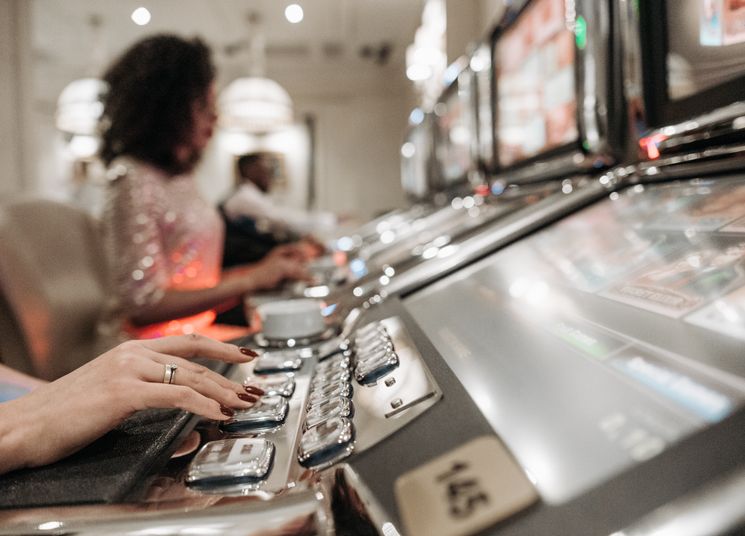
Die regulatorischen Rahmenbedingungen in Deutschland sind strenger geworden, um den Spielerschutz zu gewährleisten. Nur lizenzierte Anbieter dürfen ihre Dienste anbieten, was für Spieler eine gewisse Sicherheit bedeutet. Diese Lizenzen werden von den einzelnen Bundesländern vergeben, die jeweils eigene Regularien haben. Um die legalen Optionen zu erkunden, können Spieler auf spezialisierte Plattformen zugreifen, die die besten und sichersten Anbieter vergleichen. Die Auswahl der richtigen Plattform kann jedoch überwältigend sein, besonders für Neueinsteiger. Details zu Bonusbedingungen und Spielauswahl gibt es direkt bei Legiano. Es ist wichtig, die verschiedenen Aspekte wie Sicherheit, Spielangebot, Bonusbedingungen und Kundensupport zu berücksichtigen, bevor man sich für einen Anbieter entscheidet.
Viele suchen nach Informationen über die besten Online Casinos, um eine informierte Entscheidung treffen zu können. Legiano bietet hierbei eine wertvolle Ressource für Spieler, die sich einen Überblick über die legalen Optionen in Deutschland verschaffen möchten. Während der Markt wächst, ist es für Spieler unerlässlich, die Unterschiede zwischen legalen und illegalen Anbietern zu verstehen. Illegal Plattformen, die oft ohne Lizenz agieren, bieten keine Garantie für Fairness oder den Schutz persönlicher Daten. Daher sollte stets darauf geachtet werden, dass das Casino über die deutsche Lizenz verfügt, um ein sicheres und faires Spielerlebnis zu gewährleisten.
Die rechtlichen Grundlagen des Online Glücksspiels in Deutschland
Glücksspielstaatsvertrag (GlüStV) 2021
Der Glücksspielstaatsvertrag bildet die rechtliche Grundlage für das Glücksspiel im Internet in Deutschland. Seit dem Inkrafttreten im Juli 2021 hat sich die Landschaft grundlegend verändert. Der Vertrag wurde von allen 16 Bundesländern unterzeichnet und schafft einheitliche Rahmenbedingungen für Anbieter und Spieler. Eine der wichtigsten Neuregelungen ist die Einführung von Limits für Spieler, um problematisches Spielverhalten zu verhindern. Neue Spieler müssen vor der ersten Einzahlung eine Verifizierung durchführen, um ihr Alter zu bestätigen und eine Registrierung zu verhindern. Diese Maßnahmen sollen den Spielerschutz stärken und eine kontrollierte Umgebung schaffen.
Ein weiterer wichtiger Aspekt des GlüStV ist die Regulierung von Sportwetten. Bis zu 20 Lizenzen für Sportwettenanbieter wurden pro Bundesland vergeben, was den Wettbewerb fördert und mehr Auswahlmöglichkeiten für Spieler bietet. Anbieter müssen strenge Anforderungen erfüllen, darunter zum Beispiel den Nachweis über finanzielle Stabilität, faire Spielbedingungen und den Schutz von Minderjährigen. Diese Regularien sicherstellen, dass nur seriöse Unternehmen am Markt tätig sein können. Spieler können sich darauf verlassen, dass legal lizenzierte Plattformen transparent arbeiten und fair behandeln.
Unterschiedliche Regularien in den Bundesländern
Obwohl der GlüStV einheitliche Grundlagen schafft, haben die Bundesländer gewisse Freiheiten bei der Umsetzung. Einige Länder haben strengere Vorschriften oder zusätzliche Anforderungen für Anbieter. Bayern zum Beispiel hat eigene Regularien für die Werbung von Glücksspielen, während andere Bundesländer wie Schleswig-Holstein früher eigene Wege gegangen waren. Diese Unterschiede können für Spieler verwirrend sein, daher ist es wichtig, sich über die genauen Regelungen in seinem Bundesland zu informieren. Trotz dieser Unterschiede gilt der Grundsatz: Nur in Deutschland lizenzierte Anbieter sind legal und können sicher genutzt werden.
Sportwetten im Internet: Legal und sicher wetten
Sportwetten sind eine der beliebtesten Formen des Online Glücksspiels in Deutschland. Nach der Regulierung durch den GlüStV haben zahlreiche Anbieter den deutschen Markt betreten. Für Spieler bedeutet dies, dass sie nun legal und sicher auf verschiedene Sportereignisse setzen können. Die besten Anbieter bieten nicht nur eine breite Auswahl an Sportarten und Wettmärkten, sondern auch attraktive Quoten und Bonusangebote. Wichtig für Spieler ist es, die Bonusbedingungen genau zu prüfen, um böse Überraschungen zu vermeiden. Viele Plattformen offerieren Willkommensboni, die den Einstieg erleichtern, aber oft mit Umsatzbedingungen verbunden sind.
Die Auswahl der besten Wettanbieter
Bei der Wahl eines Sportwettenanbieters sollte man mehrere Kriterien berücksichtigen. Seriöse Plattformen zeichnen sich durch eine breite Auswahl an Sportarten, faire Quoten und transparente Bedingungen aus. Zusätzlich ist ein zuverlässiger Kundenservice wichtig, um Fragen oder Probleme schnell klären zu können. Die besten Anbieter haben auch mobile Apps oder optimierte Webseiten, um das Wetten von unterwegs zu ermöglichen. Sicherheit ist ebenfalls ein entscheidender Faktor – das Casino sollte moderne Verschlüsselungstechnologien einsetzen, um die Daten der Spieler zu schützen. Spieler sollten auch auf positive Bewertungen und Erfahrungen anderer Nutzer achten, um die Qualität des Anbieters einzuschätzen.
Ein weiterer wichtiger Aspekt ist die Vielfalt der Wettmärkte. Während einige Anbieter sich auf klassische Sportarten wie Fußball, Tennis oder Basketball konzentrieren, bieten andere auch Nischensportarten oder eSports an. Für Vielspieler ist es besonders wichtig, dass der Anbieter eine große Auswahl an Live-Wetten anbietet, die das Spielerlebnis noch spannender machen. Ein guter Wettanbieter sollte auch über eine Lizenz verfügen, die seine Seriosität unterstreicht. Diese Informationen sind in der Regel im Fußbereich der Webseite aufgeführt und können von jedem eingesehen werden.
Bonusangebote und Promotionen
Boni sind ein wichtiges Verkaufsargument für Wettanbieter, aber sie sollten mit Bedacht genutzt werden. Willkommensboni können den Start erleichtern, aber oft sind sie an Umsatzbedingungen geknüpft, die schwierig zu erfüllen sind. Es ist wichtig, die Bedingungen genau zu lesen, um zu verstehen, welche Mindesteinzahlungen oder Wetteinsätze erforderlich sind. Einige Anbieter bieten auch Cashback-Boni oder Treueprogramme für langjährige Kunden, die zusätzliche Vorteile bringen. Spieler sollten jedoch vorsichtig sein und nicht in Versuchung geführt werden, mehr einzusetzen als beabsichtigt. Ein verantwortungsvolles Spielen steht immer im Vordergrund, auch wenn attraktive Bonuse angeboten werden.
Casino Spiele: Slots, Live Dealer und mehr
Das Angebot an Casino Spielen in legalen deutschen Online Casinos ist vielfältig und für jeden Geschmack etwas dabei. Slots sind besonders beliebt, da sie einfach zu spielen sind und oft hohe Gewinne versprechen. Neben klassischen Spielautomaten gibt es auch moderne Video-Slots mit aufwendigen Grafiken und spannenden Bonusfeatures. Für Spieler, die das authentische Casino-Feeling zu Hause erleben möchten, sind Live Dealer Spiele ideal. Dabei können Spieler gegen echte Croupiers in Echtzeit Blackjack, Roulette oder Baccarat spielen. Die besten Anbieter nutzen dabei modernste Streaming-Technologie, um ein immersives Erlebnis zu schaffen.
Die beliebtesten Casino Spiele
Slots sind unbestritten die meistgespielten Casino Spiele online. Sie zeichnen sich durch einfache Spielregeln und das Potenzial für große Gewinne aus. Viele Slots bieten Themen aus Film, Geschichte oder Popkultur, die das Spielerlebnis noch unterhaltsamer machen. Progressive Jackpots, bei denen der Jackpot mit jeder Wette steigt, sind besonders begehrt, da sie Millionengewinne ermöglichen können. Neben Slots sind auch Tischspiele wie Roulette, Blackjack und Poker bei Spielern sehr beliebt. Viele Anbieter bieten verschiedene Varianten dieser Spiele an, um unterschiedliche Vorlieben zu bedienen. Für deutsche Spieler sind vor allem die europäischen Varianten von Roulette interessant, da sie bessere Gewinnchancen bieten.
Live Casino: Das echte Erlebnis zu Hause
| Feature | Traditionelles Casino | Online Casino | |||||||||||||||||||||||||||||||||||||||||||||||||||||||||||||||||||||||||||||||||||||||||||||||||||||||||||||||||||||||||||||||||||||||||||||||||||||||||||||||||||||||||||||||||||||||||||||||||||||||||||||||||||||||||
|---|---|---|---|---|---|---|---|---|---|---|---|---|---|---|---|---|---|---|---|---|---|---|---|---|---|---|---|---|---|---|---|---|---|---|---|---|---|---|---|---|---|---|---|---|---|---|---|---|---|---|---|---|---|---|---|---|---|---|---|---|---|---|---|---|---|---|---|---|---|---|---|---|---|---|---|---|---|---|---|---|---|---|---|---|---|---|---|---|---|---|---|---|---|---|---|---|---|---|---|---|---|---|---|---|---|---|---|---|---|---|---|---|---|---|---|---|---|---|---|---|---|---|---|---|---|---|---|---|---|---|---|---|---|---|---|---|---|---|---|---|---|---|---|---|---|---|---|---|---|---|---|---|---|---|---|---|---|---|---|---|---|---|---|---|---|---|---|---|---|---|---|---|---|---|---|---|---|---|---|---|---|---|---|---|---|---|---|---|---|---|---|---|---|---|---|---|---|---|---|---|---|---|---|---|---|---|---|---|---|---|---|---|---|---|---|---|---|---|---|
| Häufige Fragen
Wie lange dauern Auszahlungen im Online Casino? Was bedeutet die Umsatzbedingung bei einem Bonus? Was tun, wenn Spielen zum Problem wird? Nel 2026 il blackjack online è diventato il punto di riferimento per chi cerca un mix di abilità, adrenalina e opportunità di guadagno. Non è più solo una replica digitale del tavolo da casinò tradizionale: è un ecosistema complesso dove algoritmi, regolamentazioni e strategie di vantaggio si intrecciano. In questo articolo esploreremo l’intera catena di valore, dalla crescita della base di giocatori alle ultime tecnologie di intelligenza artificiale, passando per i costi operativi dei casinò e le potenziali ricompense per il contatore esperto. Il lettore troverà dati aggiornati al 2026, esempi pratici di come i provider gestiscono il rischio e consigli concreti per chi vuole provare il conteggio delle carte in un ambiente RNG. L’obiettivo è fornire una visione completa, basata su numeri reali e su un’analisi economica che vada oltre le semplici probabilità di gioco. 1. Il panorama del blackjack online nel 20261.1 Crescita dei player base e nuove piattaformeNel corso degli ultimi due anni la base di giocatori attivi è aumentata del 38 %, passando da 12 milioni a quasi 17 milioni di utenti mensili a livello globale. La spinta è stata alimentata da tre fattori principali: l’espansione della rete 5G, la diffusione di wallet cripto e l’introduzione di piattaforme “social‑gaming” che combinano scommesse live con elementi di community. Piattaforme emergenti come SpinXLive e CardSharp hanno lanciato versioni mobile‑first del blackjack, con interfacce ottimizzate per schermi da 5 pollici e funzioni di “quick‑bet” che riducono il tempo medio di una mano a 12 secondi. Queste novità hanno attirato una fetta di giocatori più giovane (25‑34 anni) che preferisce esperienze rapide e condivisibili sui social. 1.2 Regolamentazioni recenti in Europa e negli USAIn Europa, la direttiva UE 2025/112 ha armonizzato le licenze per i giochi d’azzardo online, imponendo requisiti più severi di trasparenza sui generatori di numeri casuali (RNG). I paesi nordici hanno introdotto un “tax shield” per i vincoli di bonus, riducendo la pressione fiscale sui player professionisti. Negli Stati Uniti, il Gaming Act of 2025 ha legalizzato il blackjack online in 12 nuovi stati, ma ha anche stabilito limiti di payout per i tavoli “high‑roller” (massimo 1,25 % di vantaggio del casinò). Le autorità statali monitorano costantemente l’attività dei fornitori tramite l’Office of Gaming Integrity, che pubblica report trimestrali sui volumi di scommessa e sui casi di “advantage play”. 2. Fondamenti del card‑counting: teoria vs realtà2.1 I sistemi di conteggio più diffusi (Hi‑Lo, KO, Omega II)Il Hi‑Lo rimane il metodo più usato grazie alla sua semplicità: i valori +1, 0 e –1 sono assegnati rispettivamente alle carte basse (2‑6), neutre (7‑9) e alte (10‑A). Il KO (Knock‑Out) elimina la necessità di un “true count” perché il conteggio è già “running count” calibrato sul numero totale di carte. L’Omega II è più complesso, con valori da –2 a +2, ma offre un margine teorico più alto quando si gioca su più mazzi. Nel mondo online, la differenza più significativa è l’assenza di “shuffle” manuale. I software RNG mescolano le carte dopo ogni mano, cancellando la continuità che i contatori tradizionali sfruttano. Alcuni operatori però offrono tavoli “continuous‑shuffle” con un buffer di 6 mazzi, dove il conteggio rimane marginalmente utile se il giocatore riesce a identificare il “running count” medio. 2.2 Limiti matematici e margine di erroreAnche il miglior sistema di conteggio è soggetto a un margine di errore intrinseco. Il valore atteso (EV) di un contatore esperto su un tavolo a 6 mazzi con 0,5 % di vantaggio del casinò è circa +0,25 % per unità di puntata, ma la deviazione standard può raggiungere il 1,2 % in sessioni di 100 mani. Questo significa che, in pratica, la varianza può annullare i profitti in un mese di gioco intensivo. Un altro limite è la “penetrazione del betting spread”. Se il contatore aumenta la puntata da 1 € a 25 € solo quando il conteggio è positivo, il ritorno medio dipende dalla frequenza di quei picchi. In un ambiente RNG, la frequenza scende al 12 % delle mani, riducendo drasticamente il ROI rispetto a un tavolo live con mescolamento tradizionale. 3. Impatto economico del conteggio sui casinò tradizionali
I casinò brick‑and‑mortar hanno dovuto rivedere le loro politiche di gestione del rischio dopo l’aumento dei contatori professionisti. Il costo medio di un tavolo high‑roller è di 12 000 € al mese, includendo dealer, sicurezza e licenza. Quando un contatore riesce a ottenere un vantaggio del 1 % su un tavolo con puntata media di 500 €, il casinò perde circa 6 000 € al mese, ovvero il 50 % del margine operativo. Molti operatori hanno risposto implementando “bet‑tracking” avanzato e limitando i “betting spreads” a un massimo di 10‑x la puntata minima. Alcuni hanno introdotto “flat‑rate” per i tavoli high‑roller, addebitando una commissione fissa del 2 % su tutti i profitti dei giocatori, una pratica che ha ridotto le perdite legate al conteggio del 35 % in media. 4. Come i casinò online reagiscono al conteggio delle carteI software di miscelazione continua (RNG) riducono drasticamente le opportunità di conteggio. Alcune piattaforme introducono “shuffle‑tracker” basati su intelligenza artificiale per monitorare pattern sospetti. Quando un dealer virtuale rileva un’alta frequenza di scommesse variabili, il sistema può attivare un “risk‑alert” che modifica temporaneamente il tasso di payout.
Inoltre, molti operatori hanno integrato un algoritmo di “pattern‑recognition” che analizza la sequenza delle puntate in tempo reale. Se il sistema individua una correlazione tra aumento della puntata e conteggio positivo, riduce temporaneamente il payout da 0,99 a 0,97 per limitare l’esposizione.
Le piattaforme più aggressive, come BetSphere, hanno pubblicato un whitepaper in cui descrivono l’uso di “machine‑learning models” per classificare i giocatori in tre categorie: casual, semi‑professionale e contatore avanzato. I contatori avanzati subiscono un “soft‑ban” temporaneo, con limiti di puntata ridotti del 70 % per 48 ore. 5. Analisi costi‑benefici per il giocatore professionista
Un contatore esperto che gioca 200 ore al mese su tavoli con un betting spread medio di 1 €‑30 € può generare un profitto netto di circa 4 500 € al mese, corrispondente a un ROI del 12 % sul capitale impegnato. Tuttavia, le spese operative includono:
Il margine netto scende così a 4 000 €, ma resta comunque superiore al guadagno medio di un giocatore “recreativo” (circa 1 200 € al mese). La chiave è mantenere un bankroll solido (almeno 100 × la puntata massima) e limitare le sessioni a tavoli con “shuffle‑tracker” inattivi. 6. Il ruolo delle promozioni e dei bonus nel bilancio del contatore
I bonus di benvenuto rappresentano una leva importante per i contatori. Un’offerta tipica di 200 % fino a 500 € con requisito di scommessa 20x su blackjack permette di trasformare 250 € di capitale in 1 250 € di bankroll virtuale. Tuttavia, i termini spesso includono una “maximum bet” di 2 € durante la fase di rollover, limitando l’applicazione del betting spread. Un Industry Secret poco noto è che molti operatori impostano un “wagering multiplier” più basso per il blackjack (es. 15x) rispetto a slot (30x) per incentivare il gioco di tavolo. Questo rende i bonus più profittevoli per i contatori, ma richiede una gestione attenta del tempo di gioco per evitare il “over‑exposure” al rischio di blocco dell’account. Strategie consigliate:
7. Statistiche di perdita e vincita nei principali mercati online
*Percentuale di giocatori che chiudono la sessione con profitto netto. Le tendenze mostrano che i giocatori in Canada hanno il più alto tasso di profitto, grazie a una maggiore disponibilità di tavoli “low‑RTP” (0,985) e a bonus più generosi. In Germania, le restrizioni sul “maximum bet” per i bonus riducono la capacità dei contatori di sfruttare il betting spread, spiegando il valore più basso di vincita media. 8. Tecnologie emergenti: AI e blockchain nel blackjack online
L’intelligenza artificiale sta rivoluzionando la difesa dei casinò. Algoritmi di deep‑learning analizzano milioni di mani al giorno, identificando anomalie nel ritmo di puntata e nella sequenza delle carte virtuali. Quando il modello rileva una “probabilità di conteggio” superiore al 85 %, attiva automaticamente un “dynamic payout adjustment” che riduce il ritorno del gioco del 0,02 % per le prossime 500 mani. Parallelamente, la blockchain viene sperimentata per garantire l’integrità del mazzo. Un progetto pilota di CryptoDeal utilizza smart contract per registrare ogni mescolamento su una catena pubblica, permettendo a giocatori e auditor di verificare in tempo reale che le carte non siano state manipolate. Questo approccio potrebbe ridurre il “trust gap” tra operatori e contatori, rendendo il gioco più trasparente ma anche più difficile da sfruttare. 9. Aspetti legali: cosa è permesso e cosa è sanzionato
In Europa, la Direttiva 2025/78 definisce l’advantage play come “l’uso di abilità matematiche per ridurre il margine della casa, purché non si ricorra a dispositivi esterni proibiti”. Il conteggio delle carte è quindi legale, ma i casinò hanno il diritto di rifiutare o limitare l’accesso a giocatori ritenuti “sospetti”. Negli USA, le leggi variano per stato. In Nevada, la pratica è legale ma i casinò possono bannare permanentemente chi utilizza software di conteggio. In Florida, la legge è più restrittiva: l’uso di dispositivi elettronici per assistenza è considerato frode, con pene fino a 5 anni di carcere. Le sanzioni per i casinò che violano le norme di fair play includono:
10. Prospettive future: il futuro del card‑counting nel digitale
Entro il 2030, si prevede che il 60 % dei tavoli di blackjack online utilizzerà continuous‑shuffle con buffer di almeno 8 mazzi, rendendo il conteggio tradizionale quasi inutile. Tuttavia, nuovi formati di gioco, come il “multi‑deck rally” con regole di “double after split” più generose, potrebbero offrire nuovi spazi per il vantaggio. Le regole potrebbero evolversi verso:
11. Consigli pratici per chi vuole provare il conteggio online
Pro: possibilità di ottenere un vantaggio teorico del 0,5‑1 % su tavoli ben calibrati. ConclusioneIl card‑counting nel 2026 è un’arte che si è trasformata da semplice strategia di tavolo a disciplina economica complessa, dove la tecnologia, la normativa e le dinamiche di mercato si intrecciano. I giocatori professionisti possono ancora trarre profitto, ma devono considerare costi operativi, rischi di ban e la crescente capacità dei casinò di rilevare comportamenti anomali. Allo stesso tempo, i migliori casino online stanno sperimentando nuove regole e tecnologie, creando opportunità per chi sa adattarsi rapidamente. In un contesto dove i bonus di benvenuto, le promozioni e le innovazioni AI ridefiniscono il valore di ogni mano, il vantaggio rimane una questione di disciplina, investimento e capacità di leggere il panorama digitale con occhio critico. Nel 2026 il mercato dei casinò online è più competitivo che mai. La scelta dei giochi non è più una questione di quantità, ma di capacità di rispondere a normative stringenti, a un pubblico sempre più esigente e a tecnologie che evolvono a ritmo sostenuto. Le licenze internazionali, come quelle rilasciate da MGA o UKGC, richiedono trasparenza su RTP e su processi KYC/AML, mentre i giocatori cercano esperienze immersive, pagamenti sicuri e bonus di benvenuto allettanti. Inoltre, le recenti direttive europee sul gioco responsabile impongono controlli più severi su promozioni e su meccaniche di gioco. Questa guida si propone di accompagnare i gestori di casinò online passo dopo passo nella costruzione di una libreria equilibrata, redditizia e conforme. Partiremo dall’analisi del mercato per capire quali segmenti di pubblico stanno crescendo, passeremo ai requisiti di sicurezza e alle valutazioni tecniche dei provider, per poi approfondire meccaniche innovative, volatilità, esperienze live e strategie di rotazione del catalogo. Infine, mostreremo come misurare il ritorno sull’investimento (ROI) e ottimizzare il portafoglio in modo data‑driven. Seguendo questi consigli, ogni operatore potrà creare un’offerta di gioco solida, capace di attrarre nuovi utenti e di mantenere alta la fidelizzazione. 1. Analisi del Mercato e Identificazione delle Tendenze GiocatoreIl primo passo è raccogliere dati di traffico globale da fonti affidabili: report di market research, analytics interne e studi di settore. Segmentare il pubblico per età, zona geografica e preferenze di gioco permette di individuare nicchie profittevoli. Per esempio, i giocatori nordamericani mostrano una predilezione per le slot a tema cinematografico, mentre in Asia la domanda di giochi live dealer è in costante crescita. Utilizzare gli analytics in tempo reale aiuta a scoprire le preferenze emergenti. Un picco di ricerche per “slot VR” può indicare che è il momento di testare titoli con realtà virtuale. Allo stesso modo, monitorare le metriche di engagement su giochi con jackpot progressivi evidenzia quali meccaniche mantengono alta la retention. La stagionalità è un altro fattore cruciale. Durante le festività locali, come il Capodanno cinese, i giochi con temi orientali registrano un aumento del 25 % delle sessioni. Gli eventi culturali, come i tornei di e‑sports, possono essere sfruttati per lanciare promozioni incrociate. Azioni consigliate 2. Criteri di Sicurezza e Conformità RegolamentareLe licenze più affidabili, come quelle rilasciate da Malta Gaming Authority (MGA), UK Gambling Commission (UKGC) e Curacao eGaming, impongono standard rigorosi su RTP minimo (di solito 95 %), audit periodici e protezione dei dati. Un casinò deve dimostrare, tramite certificati di testing (eCOGRA, iTech Labs), che ogni gioco rispetta i requisiti di fair play. Il concetto di “non AAMS” è spesso frainteso. In Italia, l’AAMS (ora ADM) garantisce che i giochi siano autorizzati e controllati a livello nazionale. Quando un operatore propone un catalogo “non AAMS”, deve assicurarsi che le licenze estere coprano tutti gli aspetti di sicurezza e trasparenza richiesti dagli utenti. Per approfondire la differenza, si può consultare la pagina casino non aams sicuri, dove vengono spiegati i criteri di valutazione di un sito non soggetto alla normativa italiana. Le procedure KYC (Know Your Customer) e AML (Anti‑Money Laundering) devono essere integrate fin dal momento dell’onboarding dei giochi. Un flusso tipico prevede la verifica dell’identità tramite documenti ufficiali, il controllo delle liste di sanzioni e la registrazione di ogni transazione sospetta. L’automazione di questi processi riduce i tempi di attivazione e migliora la compliance. Checklist di conformità 3. Valutazione della Qualità Tecnica dei ProviderLe piattaforme di sviluppo più diffuse sono HTML5, Unity e WebGL. L’HTML5 garantisce la massima compatibilità cross‑device, permettendo a una slot di funzionare su desktop, tablet e smartphone senza installare plugin. Unity, invece, è la scelta preferita per giochi con grafica 3D avanzata o esperienze VR, mentre WebGL offre un compromesso tra performance e leggerezza. Test di latenza e tempi di caricamento sono fondamentali. Un benchmark interno dovrebbe misurare il tempo medio di avvio di una slot su connessioni 4G (idealmente meno di 2 secondi) e la risposta del server durante picchi di traffico (massimo 150 ms). La stabilità del server è verificata con stress test che simulano migliaia di sessioni simultanee. Il supporto tecnico del provider è un elemento spesso trascurato. Un SLA (Service Level Agreement) che garantisce risoluzione dei ticket entro 4 ore, aggiornamenti mensili di sicurezza e rilasci di nuove funzionalità è indispensabile per mantenere alta la qualità dell’offerta. Punti di valutazione 4. Meccaniche di Gioco e Innovazione: Cosa CercareLe meccaniche che più aumentano il coinvolgimento includono funzioni bonus interattive, meccaniche di rete (cascading reels, expanding wilds) e modalità multiplayer. Titoli come Gonzo’s Quest Megaways dimostrano come le funzioni di espansione possano generare sessioni più lunghe, mentre Mega Ball Live combina il live dealer con una meccanica di estrazione numerica, creando una dinamica di gioco ibrida. L’originalità è valutata confrontando il nuovo gioco con schemi collaudati. Se una slot utilizza un layout a 5 rulli ma introduce una “feature wheel” che permette di attivare mini‑gioco, si crea un valore aggiunto rispetto a una slot tradizionale. Per i giochi non tradizionali, le meccaniche “provably fair” sono sempre più richieste. Queste si basano su algoritmi crittografici che consentono al giocatore di verificare l’equità di ogni spin. Un esempio è il sistema di hash chain usato da alcuni provider di giochi blockchain. Esempi pratici 5. Analisi dell’RTP e della VolatilitàReturn to Player (RTP) indica la percentuale di denaro scommesso che, in media, viene restituita ai giocatori nel lungo periodo. Un RTP del 96,5 % è considerato alto per le slot, mentre giochi da tavolo come il blackjack possono arrivare al 99,5 %. La volatilità, invece, descrive la frequenza e l’entità delle vincite: bassa volatilità genera piccoli pagamenti frequenti, media offre un equilibrio, alta volatilità porta a vincite rare ma potenzialmente molto grandi.
Per confrontare titoli simili, è utile calcolare l’EV (expected value) per unità di puntata: EV = RTP × puntata. Un gioco con RTP 96,5 % e puntata di €1 ha EV di €0,965, mentre un altro con RTP 95,8 % ma volatilità alta può offrire un EV medio simile, ma con picchi di vincita più alti. L’impatto sul bilancio del casinò dipende dalla combinazione di RTP e volatilità. Un mix equilibrato di giochi a bassa, media e alta volatilità consente di attrarre sia giocatori che cercano divertimento quotidiano sia quelli che puntano su grandi jackpot. Inoltre, la percezione del giocatore è influenzata da come il casino comunica l’RTP: trasparenza aumenta la fiducia e riduce i reclami. Strategie di selezione 6. Integrazione di Esperienze Live e Social GamingI giochi live dealer hanno rivoluzionato il mercato, offrendo un’interazione reale con croupier professionisti. Piattaforme come Evolution Gaming forniscono streaming in HD a 1080p, con opzioni di chat testuale e video. L’integrazione di queste esperienze richiede una banda minima di 5 Mbps per utente e server di streaming ridondanti per evitare interruzioni. Il social gaming, invece, si basa su tornei, leaderboard e sfide giornaliere. Un torneo di slot con un premio di €10.000 può aumentare la retention del 12 % rispetto a una semplice promozione di bonus di benvenuto. Le classifiche pubbliche stimolano la competizione e incoraggiano i giocatori a tornare quotidianamente per migliorare il proprio ranking. Per supportare streaming ad alta definizione, è necessario un CDN (Content Delivery Network) con nodi vicini ai principali mercati. Inoltre, la sicurezza dei dati di streaming deve essere garantita con crittografia TLS 1.3 e autenticazione a due fattori per i croupier. Checklist tecnica 7. Strategie di Rotazione del Catalogo e Aggiornamenti PeriodiciUna libreria dinamica richiede cicli di introduzione e rimozione dei giochi. Si consiglia di pianificare l’entrata di nuovi titoli ogni trimestre, accompagnandoli con campagne di marketing mirate (email, push notification, banner). Dopo il lancio, monitorare KPI come ARPU, tasso di abbandono e numero medio di sessioni per decidere se mantenere il gioco. L’analisi post‑lancio dovrebbe includere: Se un gioco non raggiunge gli obiettivi per due cicli consecutivi, è consigliabile rimuoverlo e sostituirlo con un titolo più promettente. La comunicazione delle novità è cruciale: newsletter con anteprime video, demo gratuite e bonus esclusivi aumentano il tasso di adozione del nuovo contenuto. Esempio di calendario 8. Misurazione del ROI e Ottimizzazione del PortafoglioI KPI fondamentali per valutare il ritorno economico includono ARPU (Average Revenue Per User), retention a 7 e 30 giorni, e conversion rate da registrazione a primo deposito. Strumenti come Google Data Studio, Tableau o le dashboard native di provider di analytics consentono di aggregare questi dati in tempo reale. Un approccio iterativo prevede: Per esempio, se una slot genera €120.000 di revenue mensile ma richiede €30.000 di costi di licenza e hosting, il ROI è del 300 %. Se un altro gioco ha un ROI del 80 %, potrebbe essere sostituito con un titolo più redditizio. Le piattaforme di reporting consigliate includono: Passi pratici ConclusioneCostruire una libreria di giochi da casinò moderna richiede un approccio metodico: analizzare il mercato, rispettare le normative, valutare la qualità tecnica, scegliere meccaniche innovative e bilanciare RTP e volatilità. Integrare esperienze live e social, gestire la rotazione dei titoli e misurare costantemente il ROI permette di mantenere un’offerta competitiva nel 2026. Seguendo le linee guida illustrate, gli operatori potranno creare un catalogo che unisce pagamenti sicuri, bonus di benvenuto accattivanti e un’esperienza di gioco responsabile, garantendo al contempo crescita sostenibile e soddisfazione dei giocatori. Christmas 2026 has arrived with a blizzard of traffic that is reshaping the online casino landscape. Across continents, slot‑centric platforms are reporting record‑breaking concurrent users, driven by holiday promotions that turn casual shoppers into first‑time gamblers. Operators now view generous bonuses as the primary lever for breaking into new jurisdictions, especially where licensing regimes have just opened doors to regulated play. The surge is two‑fold: on one side, markets such as the United States, Brazil and Saudi Arabia are expanding their legal frameworks, inviting fresh capital and a wave of player acquisition campaigns. On the other, slot developers are delivering holiday‑themed reels—think “Santa’s Jackpot Express” and “Yule‑Time Reels”—that pair perfectly with limited‑time offers. This article examines how each region tailors its bonus architecture to the festive mood while navigating local rules, technology stacks and player psychology. We will compare ten distinct dimensions: regional market size, welcome‑bonus composition, regulatory pressures, AI‑driven personalization, and the competitive hierarchy that decides who leads the global bonus race. By the end, readers will understand which strategies are most effective, where pitfalls remain, and how the holiday season will continue to fuel the slot boom throughout 2027. North America’s “Jackpot‑Boost” ModelThe United States and Canada together represent a $45 billion online gambling market in 2026, a figure bolstered by the cascade of state‑level licenses that followed the 2023 lottery‑style reforms. In the U.S., operators focus on “Jackpot‑Boost” welcome packages that combine a 150 % deposit match with up to 100 free spins on flagship titles such as Mega Mistletoe and Reindeer Rush. Canadian sites tend to add a modest no‑deposit credit of C$10, encouraging new players to test the waters without risking any funds. Holiday‑themed slot packs are central to the strategy. During the two‑week Christmas window, operators bundle three seasonal games into a single “Festive Slot Bundle,” offering an extra 20 free spins per game when the player deposits at least $25. This approach converts the typical holiday shopper—who is already in a gifting mindset—into a high‑value slot enthusiast. The average bonus‑to‑deposit ratio in the U.S. now sits at 150 %, a figure that online casino saudi arabia records alongside comparable metrics from emerging markets. This ratio outpaces the European average of roughly 120 % and the Asia‑Pacific range of 100‑110 %, illustrating how aggressive North American operators have become. Operators also adapt to state‑specific caps on wagering requirements. For example, New Jersey limits the total wagering multiplier to 30×, prompting casinos to design “fast‑track” free‑spin bonuses that satisfy the cap within 48 hours. Meanwhile, Ontario’s recent amendment allows a single‑use bonus code per player, encouraging operators to rotate holiday promo codes weekly to avoid duplication. Key differences in North American bonus structures
These tables show how operators calibrate bonuses to meet both regulatory ceilings and player expectations during the most lucrative shopping season of the year. Europe’s “Free‑Spin‑Fest” ApproachEuropean operators work within a dense regulatory tapestry that includes the EU’s Gaming License Directive and the latest AML standards. Because many jurisdictions restrict high deposit matches, the “Free‑Spin‑Fest” model thrives by offering large bundles of complimentary spins instead of cash‑back. A typical German promotion grants 200 free spins on Nordic Lights, split across five days, with a modest 20 % match on the first deposit. In Spain, operators pair 150 free spins on El Camino de Navidad with a 50 % match up to €200, leveraging the country’s love for narrative‑driven slots. Local holidays are woven into the calendar. In Austria, Christmas market festivals inspire a “Glühwein Spins” campaign that activates only when a player logs in from a geolocated IP within 30 km of a known market venue. This geo‑targeting reduces fraud and boosts relevance, driving a 12 % lift in acquisition cost efficiency compared with generic offers. Overall, the European free‑spin focus yields a lower average acquisition cost—approximately €4 per new player—while delivering a higher lifetime value (LTV) of €120, thanks to the higher retention rates that free‑spin users exhibit. Asia‑Pacific’s “Cash‑Back Carnival” StrategyMobile dominance defines the Asia‑Pacific slot arena. In India, Japan and the ASEAN region, smartphones account for over 85 % of casino traffic, and operators have responded with “Cash‑Back Carnival” bonuses that refund a percentage of net losses each week. For instance, an Indian platform offers 10 % cash‑back on slot losses up to ₹5,000, payable in bonus credit that can be wagered 5× before withdrawal. Japanese sites combine this with a 100 % match on deposits up to ¥10,000, but only on slots featuring anime‑style holiday themes such as Snowy Samurai. Lunar New Year slots receive special reel overlays—red lanterns, firecrackers—and the cash‑back percentage spikes to 15 % during the festive week. This seasonal uplift aligns with cultural expectations of generosity and “giving back.” Regulatory nuance varies sharply. Singapore’s Remote Gambling Act permits licensed operators to run cash‑back schemes, yet caps the maximum weekly return at S$200. Conversely, offshore hubs like the Philippines’ Cagayan Economic Zone allow unlimited cash‑back, attracting operators who then redirect traffic to neighboring markets via VPN access. Latin America’s “Tiered‑Treasure” SystemBrazil, Mexico and Colombia have each launched a wave of new gambling licenses between 2024 and 2026, creating a fertile environment for “Tiered‑Treasure” loyalty programs. These systems reward slot volume across the entire holiday season, moving players through Bronze, Silver, Gold and Platinum tiers. A Mexican casino grants Bronze members a 5 % match and 20 free spins, while Platinum players enjoy a 200 % match up to MXN 10,000 plus 300 free spins on Navidad del Oro. The tier progression is calculated on total slot wagers, encouraging sustained play rather than one‑off deposits. Localized language in bonus terms—Spanish in Mexico, Portuguese in Brazil—has proven essential for trust. Operators also display bonus amounts in local currency, mitigating the anxiety that arises from volatile exchange rates. Currency swings do affect bonus sizing; when the Argentine peso depreciated 12 % against the USD in Q3, operators reduced match percentages by 5 % to preserve profit margins while still offering a festive feel. Middle East & North Africa (MENA) – Navigating Cultural ConstraintsGambling is heavily regulated across the MENA region, but a niche of “skill‑based” slot hybrids has emerged, blending traditional slot mechanics with puzzle elements that qualify as games of skill under local law. Bonuses are therefore presented as “credits” or “gaming points” rather than cash. A Saudi‑focused operator introduced the Desert Gems slot, where players earn “Gem Points” for each spin. During the post‑Christmas stretch, the platform doubled point accrual rates and offered a leaderboard prize of a luxury watch, sidestepping direct monetary payouts. The case study of this Saudi operator illustrates how non‑monetary rewards—such as exclusive event tickets or high‑end electronics—can drive engagement while staying compliant. Seasonal adaptation includes a Ramadan‑post‑Christmas crossover where points earned during the holy month can be redeemed for charitable donations, aligning the brand with cultural values. African Emerging Markets – “Micro‑Bonus” InnovationSub‑Saharan Africa’s rapid mobile penetration—over 70 % of internet users access the web via smartphones—has sparked demand for low‑stake slot games. Operators respond with “Micro‑Bonus” packages: a 0.5 % deposit match paired with five free spins on titles like Safari Snowfall. Partnerships with telcos enable bonus delivery through USSD codes, allowing players without data plans to claim offers instantly. During the Christmas period, operators bundle three micro‑bonuses into a “Holiday Trail” package, delivering a cumulative 1.5 % match and 15 free spins across a week. These micro‑bonuses encourage repeat play, as the low entry threshold reduces perceived risk. Players often convert micro‑spins into larger wagers after experiencing a win, creating a funnel that lifts average revenue per user (ARPU) by roughly 8 % during the festive window. Regulatory Trends Shaping Bonus ArchitectureBetween 2024 and 2026, regulators worldwide have tightened bonus transparency. The EU’s “Bonus Transparency Directive” now requires operators to display the exact wagering multiplier, expiry date and maximum cash‑out amount in a standardized banner. U.S. states such as Michigan and Pennsylvania have instituted caps on deposit matches—no more than 200 %—and mandatory 48‑hour cooling periods before bonus withdrawal. These changes have forced operators to redesign bonus terms, often swapping high‑match offers for extended free‑spin series or lower‑risk cash‑back schemes. Third‑party audit logs, provided by firms like eCOGRA, are increasingly embedded into the bonus claim flow, giving players a verifiable trail that the advertised terms are honored. Compliance teams now use rule‑engine software to automatically adjust bonus parameters based on the player’s jurisdiction, ensuring that a single promotional campaign can be safely rolled out across 20+ markets without manual intervention. Technology Drivers: AI‑Personalised Bonus EnginesArtificial intelligence is the engine behind today’s hyper‑targeted holiday bonuses. Machine‑learning models ingest a player’s slot‑play history—RTP preferences, volatility tolerance and typical bet size—to predict the most enticing offer. During the 2026 Christmas surge, a leading operator ran an A/B test where 60 % of German users received a “Free‑Spin‑Fest” bundle, while the remaining 40 % were offered a “Jackpot‑Boost” match. The AI system re‑allocated traffic in real time, shifting 15 % of the latter group to the former after observing a 22 % higher conversion rate. Security remains paramount; bonus‑abuse detection algorithms monitor rapid claim patterns, IP changes and device fingerprints, automatically revoking offers that breach risk thresholds. This safeguards both the operator’s bottom line and the integrity of the promotion. Player Psychology: Why Bonuses Matter More at ChristmasThe holiday season triggers a gifting mindset, making players more receptive to perceived “free” value. Behavioral economics shows that the endowment effect intensifies when a bonus is framed as a present rather than a commercial incentive. Free spins on festive reels—such as Candy Cane Carousel—activate dopamine loops similar to opening a gift, especially when the spin outcome reveals a holiday-themed jackpot. Survey data from a December 2026 poll of 3,200 slot players indicates that 68 % prefer free‑spin bonuses over cash matches during Christmas, citing “the excitement of seeing a Santa symbol land.” Moreover, the risk‑taking propensity rises by roughly 9 % in the weeks surrounding December 25, according to internal analytics from several operators. This translates into higher average bet sizes on bonus‑triggered sessions, reinforcing why operators allocate a larger share of their marketing budget to seasonal offers. Competitive Landscape: Who Leads the Global Bonus Race?Based on publicly disclosed promotion calendars and market share estimates, the top five operators by bonus market share in 2026 are:
SpinMaster’s deep slot portfolio—over 500 titles, including 30 exclusive holiday games—gives it flexibility to rotate bonuses without cannibalizing its own catalog. EuroSpin’s strength lies in its partnership network with European game studios, enabling rapid deployment of localized free‑spin packs. Looking ahead to the 2027 holiday season, operators have announced cross‑border promotions that allow players to earn “global holiday points” redeemable for any slot across participating brands. New game launches such as Polar Pulse and Gingerbread Galaxy are slated to debut simultaneously in North America, Europe and APAC, promising a truly worldwide festive experience. ConclusionBonuses have become the linchpin of the 2026 Christmas slot boom, turning regulatory openings and technological advances into measurable player growth across every continent. From North America’s high‑match “Jackpot‑Boost” to Africa’s micro‑bonus bundles, operators are constantly balancing compliance, AI‑driven personalization and the psychological pull of holiday gifting. As emerging markets mature and bonus architectures evolve, the industry will continue to fine‑tune offers that feel both generous and responsible. Platforms like Globaldtm provide a neutral snapshot of bonus metrics, helping operators and players alike gauge where the most attractive promotions reside. Keeping an eye on these data points will be essential for anyone looking to stay ahead in the crowded, ever‑expanding world of online slot casinos. The holiday period has become the most electrifying stretch on the online casino calendar. As December rolls in, operators roll out glittering tournament schedules that promise larger prize pools, festive themes, and a surge of new participants eager to turn seasonal cheer into cash. For the casual player, the excitement is easy to feel, but without a clear grasp of the jargon that underpins every leaderboard, buy‑in, and bonus, that excitement can quickly turn into confusion—or missed profit. Understanding the lingo is more than a linguistic exercise; it’s a strategic advantage. Terms such as “re‑buy,” “progressive jackpot,” and “tiered leaderboard” dictate how you allocate your bankroll, when you should accelerate play, and which promotions truly add value. Moreover, the mobile‑first environment that dominates 2026 means that many of these tournaments are accessed on the go, making quick comprehension essential for seamless gameplay on smartphones and tablets. When evaluating options, online casino saudi arabia applies rigorous selection criteria that help players spot trustworthy hosts, compare licensing jurisdictions, and verify RTP claims before committing to a tournament schedule. What Exactly Is a “Tournament” in iGaming?In iGaming, a tournament is a structured competition where players vie for a shared prize pool rather than playing solely for personal cash wins. Unlike cash games, where each bet directly impacts your bankroll, tournaments require an entry fee—often called a “buy‑in”—that grants you a starting chip stack. Common formats include single‑elimination brackets, where a loss removes you from the field; leaderboard races, where points accumulate over a set period; and satellite events, which serve as qualifiers for larger, higher‑stakes contests. Each format shapes the strategic approach: single‑elimination rewards aggressive play, while leaderboard tournaments favor consistency and chip preservation. Key terminology frames the experience. The “buy‑in” is the amount you pay to join, usually fixed but sometimes tiered based on the player’s skill level. The “prize pool” aggregates all entry fees, sometimes boosted by operator contributions. An “entry fee” may be separate from the buy‑in, covering administrative costs. Understanding these concepts lets you calculate expected value (EV) before you sit down, turning festive fun into a calculated venture.
Understanding “Buy‑In” and “Re‑Buy” MechanicsThe “buy‑in” is the financial gateway into a tournament. It determines your initial chip stack and often sets the ceiling for potential earnings. For example, a $10 buy‑in might grant 10,000 chips, while a $50 buy‑in could start you with 55,000 chips, reflecting a slightly better chip‑per‑dollar ratio. A “re‑buy” allows players whose stacks have dwindled below a predefined threshold to purchase additional chips during a designated window. Re‑buys are common in “turbo” or “fast‑track” tournaments where the pace is relentless. The decision to re‑buy hinges on two factors: the cost of the re‑buy relative to the remaining prize pool and the likelihood of climbing the leaderboard after the infusion. Related terms deepen the picture. A “chip stack” is the total chips you control at any moment; managing its size is the core of tournament strategy. A “reset” occurs when the tournament reaches a predetermined stage—often the final hour—where all remaining players’ stacks are equalized to level the playing field. An “add‑on” is a one‑time purchase that adds chips without resetting the stack, typically offered at the start of a re‑buy period. Savvy players treat re‑buys as insurance: they allocate a small portion of their bankroll (often 10‑15 %) for potential re‑buys, ensuring they can stay competitive without jeopardizing overall funds. This disciplined approach separates casual participants from those who consistently finish in the money during holiday spikes. The Role of “Leaderboards” and “Ranking Points”Leaderboards are the visual heartbeat of most Christmas‑season tournaments. They display each player’s current standing based on accumulated “ranking points,” which are awarded for chip count, survival time, or specific in‑game achievements such as “most hands won in a row.” Two primary leaderboard designs dominate the market: “tiered” and “flat.” Tiered leaderboards segment players into brackets—bronze, silver, gold—each with its own prize pool. This structure incentivizes players to push for the next tier, often unlocking bonus multipliers or exclusive holiday spins. Flat leaderboards, by contrast, rank everyone on a single list, rewarding only the top‑few finishers with a larger share of the prize pool. Ranking points matter beyond a single event. Many operators tie them to seasonal loyalty programs, granting “VIP ladder” advancements, free‑spin vouchers, or even entry into invitation‑only mega‑tournaments. For mobile‑focused players, real‑time leaderboard updates push notifications, prompting quick strategic adjustments on the fly. Key takeaways for holiday competitors:
“Qualifier” Events: Pathways to the Main TournamentQualifier events act as the gateway to the headline tournaments that dominate the December calendar. Typically, a qualifier is a lower‑stakes competition where the top finishers earn “seeds” into the main event, bypassing the standard buy‑in. The terminology surrounding qualifiers can be dense. “Seedings” refer to the placement of qualified players within the main bracket, often granting them a more favorable position—such as starting on the opposite side of a high‑risk bracket. “Brackets” themselves are the visual representation of matchups, showing who faces whom as the tournament progresses. A “wild‑card entry” is a special invitation given to a player who performed well in a qualifier but fell just short of the automatic seed count; operators use wild‑cards to maintain excitement and fill any gaps in the main draw. During the Christmas promotional blitz, many platforms launch multiple qualifier rounds across different time zones, ensuring global participation. For instance, a Saudi Arabian operator might host a midnight‑to‑2 am qualifier timed for the Arabian Standard Time audience, while a European site runs an early‑morning slot for its players. Qualifiers also serve a marketing purpose: they generate buzz, collect player data, and create a pipeline of engaged participants who are already warmed up for the larger prize pool. Understanding the qualifier ecosystem enables players to strategically schedule their play, maximize seat availability, and potentially secure a top seed without paying the full main‑event buy‑in. Prize Structures: From Fixed Payouts to Progressive JackpotsPrize structures define how the tournament’s prize pool is distributed among winners. The three most common models are “top‑heavy,” “even‑distribution,” and “progressive jackpot.” A top‑heavy structure concentrates the majority of the pool on the top finishers—often 70 % to the champion, with diminishing percentages for the next few places. This model appeals to high‑risk players chasing a big win, especially when the prize pool is bolstered by holiday bonuses. Even‑distribution spreads payouts more uniformly, rewarding a larger slice of the field. For example, a 100‑player tournament might pay the top 30 % with a flat 3 % of the pool each, creating a more predictable return on investment. Progressive jackpots grow over multiple tournaments. A small portion of each entry fee—say 2 %—feeds a cumulative jackpot that can reach six‑figure sums by the end of the season. When the jackpot is finally hit, the payout may be a fixed amount or a percentage of the accumulated pool, often accompanied by a “rollover” clause that carries the remainder into the next cycle if not fully claimed. Related terms flesh out the picture. “Payout percentage” indicates the proportion of the total buy‑ins that will be returned to players, akin to RTP in slot games. A “guaranteed prize pool” is a minimum amount promised by the operator, regardless of actual entries, providing players confidence that the tournament will be worthwhile. “Rollover” describes the condition where winnings must be wagered a certain number of times before withdrawal, a common feature in holiday promotions. Choosing the right prize structure depends on personal risk tolerance and bankroll management. Top‑heavy tournaments can boost a player’s bankroll dramatically but also risk early elimination, while even‑distribution events offer steadier, albeit smaller, returns—ideal for players who prefer consistent gains during the busy festive season. Timing Terms: “Live Clock,” “Scheduled Start,” and “Grace Period”Tournament timing is communicated through three core concepts: the “live clock,” the “scheduled start,” and the “grace period.” A “live clock” counts down in real time from the moment the tournament begins, showing players exactly how much playtime remains. This is common in fast‑paced “Turbo” events where each minute counts toward chip accumulation. The “scheduled start” is the pre‑announced kickoff time, often displayed in the player’s local timezone or in UTC. Operators use this to synchronize participants across regions, ensuring that everyone knows when the live clock will activate. The “grace period” offers a brief window—typically five to ten minutes—after the scheduled start for late arrivals. During this time, players can join without penalty, receiving a proportional chip stack or a small “late‑entry bonus” to keep competition fair. Once the grace period expires, the tournament proceeds with the remaining participants, and any further latecomers are barred. Understanding these timing terms is crucial for mobile players who may be juggling multiple apps or dealing with variable internet latency. Setting reminders for the scheduled start, monitoring the live clock on the device, and planning for the grace period can prevent missed entries and ensure you’re fully equipped when the competition heats up. Player‑Facing Features: “Auto‑Play,” “Turbo Mode,” and “Bet Limits”Operators equip holiday tournaments with optional features that shape pacing and strategy. “Auto‑Play” lets the system execute a predetermined number of hands automatically, freeing the player to focus on high‑level decisions such as stack management or timing re‑buys. While convenient on mobile devices, auto‑play can obscure subtle shifts in opponent behavior, so seasoned players often toggle it off during critical phases. “Turbo Mode” accelerates the game by reducing decision timers and speeding up dealer actions. In a Turbo tournament, a typical hand that might take 30 seconds in a standard game can conclude in under 10 seconds, dramatically increasing the number of hands played within the same timeframe. This mode rewards quick decision‑making and is favored in Christmas events that promise larger prize pools for the most hands completed. “Bet limits” define the minimum and maximum stakes allowed per hand. Holiday tournaments may raise the upper limit to encourage bigger swings, while still enforcing a floor to maintain a baseline level of competition. Some platforms introduce “dynamic bet limits” that adjust based on a player’s current chip stack, preventing runaway leads and keeping the leaderboard fluid. Key considerations for players:
By mastering these features, you can tailor the tournament experience to your personal style, turning festive excitement into a strategic advantage. Regulatory Lingo: “Licensing Jurisdiction,” “RTP,” and “Fair‑Play Audits”Compliance terminology reassures players that a tournament is run on a fair and legal foundation. The “licensing jurisdiction” refers to the governmental authority that granted the operator a gambling licence—examples include the Malta Gaming Authority, the UK Gambling Commission, and the Curacao eGaming board. A reputable jurisdiction enforces strict standards on player protection, anti‑money‑laundering (AML) procedures, and dispute resolution. “RTP” (Return to Player) indicates the theoretical percentage of wagered money that a game will return to players over the long term. While RTP is more commonly discussed for slots, tournament formats also disclose an overall RTP based on the prize pool versus total buy‑ins. A higher RTP suggests a more player‑friendly tournament, though variance can still be significant during short‑term events. “Fair‑Play Audits” are independent examinations conducted by third‑party testing labs such as iTech Labs or eCOGRA. These audits verify that the random number generator (RNG) and shuffling algorithms operate within accepted statistical parameters, guaranteeing that no hidden biases influence outcomes. When selecting a tournament host for the Christmas season, look for visible audit certificates, clear licensing information on the site’s footer, and a transparent RTP statement. This due diligence is especially important for players in regions like Saudi Arabia, where regulatory oversight may differ and an Arabic interface can help verify local compliance. Marketing Buzzwords: “Holiday Bonus,” “Free‑Spin Tournament,” and “VIP Ladder”December marketing campaigns are saturated with buzzwords designed to capture attention and drive participation. A “Holiday Bonus” typically offers a deposit match or extra chips tied to a festive theme—often 100 % up to a certain amount, plus a handful of free spins on seasonal slot titles. “Free‑Spin Tournament” blends slot play with competitive ranking. Players receive a set number of free spins each day; the highest total win among participants during the tournament window claims a share of the prize pool. This format appeals to slot enthusiasts who enjoy both the thrill of spinning and the camaraderie of a leaderboard. The “VIP Ladder” is a tiered loyalty system where players climb levels by earning “VIP points” through tournament entry, deposits, and wager volume. Each rung unlocks benefits such as faster withdrawals, exclusive holiday events, and personalized account managers. During the Christmas season, operators often accelerate ladder progression, offering double VIP points for every tournament entry. Understanding these promotional terms helps you separate genuine value from marketing fluff. For instance, a holiday bonus with a 30 % wagering requirement is less attractive than a free‑spin tournament that requires no extra wagering beyond the spins themselves. Quick comparison of common December promos
By decoding these buzzwords, you can allocate your bankroll to offers that truly enhance your tournament performance rather than merely inflating your account balance with unusable credits. ConclusionMastering the iGaming glossary transforms the holiday tournament landscape from a chaotic winter wonderland into a navigable arena of opportunity. Knowing the nuances of buy‑ins, re‑buys, leaderboards, and prize structures equips you to make data‑driven decisions, protect your bankroll, and capitalize on seasonal promotions. When you pair this knowledge with diligent platform vetting—using tools like Scarsdalemura Kara to scan licensing, RTP, and player reviews—you position yourself ahead of the competition. Apply the clarified terms as you schedule your participation, select the right tournament format, and engage with holiday bonuses. With a solid vocabulary and strategic mindset, the Christmas‑season tournament circuit can become a rewarding chapter in your online casino journey. Nel 2026 il gaming mobile ha superato il 70 % della quota di mercato globale del gioco d’azzardo online. Gli smartphone di ultima generazione, la diffusione del 5G e le piattaforme di pagamento integrate hanno trasformato il modo in cui i giocatori accedono a slot, tavoli e, soprattutto, ai bonus. Un bonus ben strutturato può aumentare il tasso di conversione di un nuovo utente del 35 % e, se gestito correttamente, prolungare la sua permanenza nella piattaforma per mesi. Per i gestori di casinò online è quindi fondamentale adottare un approccio metodico nella scelta dei giochi da inserire nella libreria mobile. Un processo basato su dati, test e metriche oggettive consente di massimizzare il valore percepito dei bonus e di ridurre il churn. In questo contesto, risorse come https://www.innbalance-fch-project.eu/ offrono una panoramica neutra su best practice tecnologiche e normative, utile per chi vuole approfondire le dinamiche di sicurezza e conformità. L’articolo seguirà un percorso scientifico: dalla raccolta di metriche operative, passando per la valutazione della compatibilità cross‑platform, fino all’integrazione di algoritmi di ranking basati sui bonus. Il risultato è una guida pratica per operatori e player che desiderano ottimizzare la libreria di giochi mobile senza sacrificare la trasparenza o la sicurezza. 1. Analisi statistica dei dati di gioco mobileLa prima fase di qualsiasi selezione scientifica è la raccolta di metriche chiave. I principali indicatori per il mobile includono Daily Active Users (DAU), durata media della sessione, churn rate e valore medio per utente (ARPU). Per esempio, un titolo di slot con DAU di 12 000 e una sessione media di 8 minuti genera un valore di engagement superiore rispetto a una slot più lenta con DAU di 8 000 ma sessione di 5 minuti. Utilizzando modelli di regressione lineare multipla è possibile prevedere il valore futuro di un gioco. La variabile dipendente è il Lifetime Value (LTV) stimato, mentre le variabili indipendenti comprendono DAU, churn, RTP (Return to Player) e la presenza di bonus di benvenuto. Un modello tipico può restituire una formula del tipo: LTV = 0,45 × DAU + 0,30 × RTP – 0,20 × churn + 0,05 × bonusScore. I risultati guidano la decisione su quali titoli includere nella libreria. Se un gioco presenta un alto BES (Bonus Efficiency Score, definito più avanti) ma un churn elevato, il modello suggerirà di testare varianti di bonus o di ottimizzare la UX per ridurre l’abbandono. Esempio pratico Questa analisi statistica fornisce una base quantitativa su cui costruire le successive valutazioni di compatibilità e di ranking. 2. Valutazione della compatibilità cross‑platformUn titolo mobile deve funzionare senza intoppi su iOS, Android e, sempre più spesso, su sistemi emergenti come HarmonyOS. I test di performance includono latenza di rete, consumo di batteria e utilizzo della RAM. Per misurare la latenza, si registra il tempo medio di risposta del server durante una spin di slot; valori superiori a 150 ms su 4G possono compromettere l’esperienza, mentre su 5G la soglia scende a 80 ms. Il consumo di batteria è valutato in milliamperora (mAh) per ora di gioco. Uno studio interno ha mostrato che le slot con animazioni 3D consumano in media 120 mAh/h, contro 70 mAh/h per versioni 2D ottimizzate. Un alto consumo può ridurre la percezione del valore del bonus, poiché i giocatori associano l’offerta a un “costo” di energia. La RAM è un altro fattore critico: giochi che superano il 70 % della memoria disponibile su dispositivi con 4 GB di RAM tendono a crashare più spesso, aumentando il churn.
La compatibilità influisce direttamente sulla percezione del bonus: un bonus di 100 € è meno attraente se il gioco richiede 30 minuti di caricamento o provoca surriscaldamento. Pertanto, la fase di testing cross‑platform è essenziale per garantire che i bonus vengano percepiti come “facili da usare”. 3. Algoritmi di ranking dei giochi basati sui bonusIl Bonus Efficiency Score (BES) è un indice sintetico che combina diversi parametri di bonus: valore del welcome bonus, numero di free spin, percentuale di cash‑back e frequenza delle promozioni ricorrenti. La formula di base è: BES = (Welcome € × 0,4) + (FreeSpin × 0,2) + (CashBack % × 0,3) + (PromoFreq × 0,1) Dove “FreeSpin” è il numero medio di giri gratuiti concessi per 100 € di deposito, e “PromoFreq” è il numero di promozioni mensili. Un gioco con un welcome bonus di 200 €, 30 free spin, cash‑back del 10 % e 4 promozioni al mese otterrà un BES di 112. L’integrazione del BES nei sistemi di raccomandazione avviene tramite algoritmi di ranking ibridi. Si parte da un modello di collaborative filtering basato su preferenze di gioco, a cui si aggiunge un peso del 25 % per il BES. In questo modo, i titoli più “bonus‑friendly” emergono nei feed personalizzati, aumentando la probabilità di attivazione del bonus. Esempio di ranking Questo approccio garantisce che la libreria non sia solo guidata da popolarità, ma anche da efficienza promozionale, creando un circolo virtuoso di valore per giocatore e operatore. 4. Analisi della qualità grafica e dell’esperienza utente (UX) su dispositivi mobiliLa grafica mobile è passata da sprite 2D a rendering 3D in tempo reale. I criteri di valutazione includono risoluzione (minimum 1080 p), fluidità delle animazioni (≥ 60 fps) e tempi di caricamento (≤ 2 s). Una slot “Crystal Quest” con texture HD e animazioni a 90 fps ha registrato un tasso di conversione del bonus del 42 %, rispetto al 28 % di una versione “lite” più veloce ma con grafica semplificata. Test A/B sono fondamentali per quantificare l’impatto della UI. In un esperimento condotto su 10 000 utenti, la variante con pulsanti di attivazione bonus più grandi ha aumentato l’attivazione del 18 % rispetto a un layout tradizionale. Best practice per l’ottimizzazione UI Mantenere un equilibrio tra effetti visivi e performance è cruciale: un’interfaccia troppo elaborata può penalizzare la batteria e la latenza, mentre una UI minimalista rischia di non valorizzare il bonus offerto. 5. Sicurezza, RNG certificati e conformità normativaLa sicurezza è il pilastro su cui si fonda la fiducia dei giocatori nei bonus. Gli algoritmi di Random Number Generator (RNG) devono essere certificati da enti indipendenti come eCOGRA o la Malta Gaming Authority (MGA). Un RNG certificato garantisce che ogni spin sia imprevedibile, evitando manipolazioni che potrebbero invalidare un bonus. Le certificazioni hanno un impatto diretto sulla percezione del valore del bonus: un bonus di 150 € su una piattaforma con certificazione eCOGRA è percepito come più affidabile rispetto a un’offerta simile su un sito non certificato. Inoltre, la conformità al GDPR e alle normative locali (ad esempio, la Direttiva UE sui giochi d’azzardo online) è obbligatoria per operare nei mercati europei. Le procedure di audit continuo includono: Consultare risorse come Innbalance Fch Project può aiutare gli operatori a comprendere le linee guida di sicurezza più recenti, senza attribuire a tale sito alcuna autorità di certificazione. 6. Integrazione dei bonus con le strategie di monetizzazione mobileI modelli di revenue sharing più diffusi includono il revenue per spin, le micro‑transazioni per acquisti in‑game e le versioni ad‑free premium. I bonus influenzano il Lifetime Value (LTV) del giocatore mobile: un welcome bonus del 100 % su un deposito di 50 € può aumentare l’LTV medio del 22 % se accompagnato da un programma di cash‑back del 5 % sui primi 30 giorni. Strutture di bonus efficaci Queste strutture devono essere allineate con la strategia di monetizzazione. Ad esempio, un gioco di poker online con micro‑transazioni per acquisto di chip extra può offrire un bonus “poker soldi veri” di 20 € al primo deposito, incentivando l’uso della funzione di acquisto in‑app. Le migliori app poker per iPhone spesso combinano bonus di benvenuto con tornei gratuiti, creando un ecosistema dove il valore percepito supera il costo di acquisizione. 7. Monitoraggio post‑lancio e ottimizzazione continuaUna volta che il gioco è live, è indispensabile un dashboard di analytics in tempo reale. I KPI principali includono attivazione bonus, tasso di completamento delle promozioni, churn post‑bonus e ARPU. Strumenti di visualizzazione come Grafana o PowerBI consentono di monitorare questi dati a livello di singolo titolo. Gli algoritmi di machine learning, in particolare i modelli di clustering basati su comportamento (k‑means), segmentano i giocatori in gruppi: “cacciatori di bonus”, “high rollers” e “casuali”. Per ciascun segmento, il sistema può adattare dinamicamente il BES, offrendo bonus più generosi ai “cacciatori di bonus” e promozioni di cash‑back ai “high rollers”. Il ciclo di feedback segue tre fasi: Questo approccio iterativo garantisce che la libreria rimanga dinamica, rispondendo rapidamente a cambiamenti di mercato e a nuove opportunità di promozione. ConclusioneAbbiamo mostrato come un approccio scientifico, basato su analisi statistica, test cross‑platform, algoritmi di ranking e monitoraggio continuo, possa trasformare la selezione dei titoli da casinò mobile. Le metriche di performance, la compatibilità, la qualità grafica e la sicurezza sono tutti fattori che, se integrati correttamente, amplificano l’efficacia dei bonus. Nel 2026, una libreria dinamica e guidata dai dati è la chiave per distinguersi in un mercato saturo. Gli operatori che adotteranno questi metodi potranno ottimizzare la selezione dei giochi, massimizzare il valore percepito dei bonus e, di conseguenza, migliorare il loro ritorno economico. Invitiamo i lettori a sperimentare questi processi, a consultare risorse come Innbalance Fch Project per approfondimenti su sicurezza e conformità, e a implementare un ciclo di ottimizzazione continua per mantenere la propria offerta di casinò mobile al passo con le più recenti innovazioni. เกมสล็อตออนไลน์เป็นหนึ่งในเกมที่ได้รับความนิยมสูงสุดในตลาดการพนันดิจิทัล เนื่องจากการผสมผสานระหว่างภาพกราฟิกที่น่าตื่นตาตื่นใจและระบบการจ่ายเงินที่หลากหลาย ทำให้ผู้เล่นหลายพันคนตื่นเต้นและกลับมาเล่นซ้ำอย่างต่อเนื่อง ความดึงดูดของธีมต่าง ๆ มักเริ่มจากเรื่องราวที่คุ้นเคยหรืออิงประวัติศาสตร์ เช่น พีระมิดอียิปต์โบราณ, การต่อสู้ของไนท์ในยุโรปกลาง, หรือการล่าอาณานิคมของไวนิก ผู้พัฒนาเกมใช้การเล่าเรื่องเหล่านี้เป็นกรอบให้กับฟีเจอร์โบนัส, ตัวคูณ, และสัญลักษณ์พิเศษ ซึ่งในหลายกรณีทำให้ความผันผวนของเกม (volatility) ดูน่าสนใจยิ่งขึ้น ในย่อหน้าที่สองนี้ เราขอแนะนำให้ผู้อ่านไปสำรวจตัวอย่างเกมที่ใช้ธีมดังกล่าวบนเว็บไซต์ คาสิโนบิทคอยน์ เพื่อสัมผัสประสบการณ์การเล่นที่หลากหลาย ทั้งเกมที่เน้นฟีเจอร์ฟรีสปิน, เกมที่มีรอบโบนัสแบบเลือกเส้นทาง, หรือเกมที่ให้โบนัสแบบ “no KYC” สำหรับผู้ที่ต้องการความเป็นส่วนตัวสูงสุด การเข้าใจพื้นฐานคณิตศาสตร์ของสล็อตช่วยให้ผู้เล่นตัดสินใจได้ดียิ่งขึ้น ไม่ว่าจะเป็นการคำนวณอัตราการคืนเงิน (RTP) หรือการประเมินความเสี่ยงของการวางเดิมพันบนแต่ละไลน์ การอ่านข้อมูลเชิงสถิติอย่างรอบคอบจะทำให้คุณรู้ว่าเกมใดเหมาะกับสไตล์การเล่นของคุณมากที่สุด โดยเฉพาะอย่างยิ่งเมื่อคุณต้องการใช้โปรโมชั่นโบนัสหรือเล่นบนอุปกรณ์มือถือที่รองรับ VPN 1. พื้นฐานคณิตศาสตร์ของสล็อต: ความน่าจะเป็นและ RTP1.1 ความน่าจะเป็นของสัญลักษณ์แต่ละตัวในสล็อตแบบคลาสสิก เครื่องหมุนมีรีลหลายรีล (โดยทั่วไป 5 รีล) และแต่ละรีลประกอบด้วยสัญลักษณ์จำนวนหนึ่ง การคำนวณความน่าจะเป็นของสัญลักษณ์ใดสัญลักษณ์หนึ่งเกิดขึ้นบนเส้นจ่าย (payline) ต้องอาศัยสูตรพื้นฐานของการคูณเชิงสถิติ ตัวอย่างเช่น หากสัญลักษณ์ “สฟิงซ์” มี 3 ตัวบนรีล 5 ตัวที่มี 20 ตำแหน่งต่อรีล ความน่าจะเป็นที่สฟิงซ์จะปรากฏบน 3 รีลต่อเนื่องคือ (3/20)³ ≈ 0.0034 หรือประมาณ 0.34 % อย่างไรก็ตาม ผู้พัฒนาเกมมักใส่สัญลักษณ์ “wild” หรือ “scatter” ที่มีจำนวนมากกว่าเพื่อเพิ่มความเป็นไปได้ของการชนะ การเพิ่มจำนวนของ “wild” จะทำให้ความน่าจะเป็นของการทำชุดสัญลักษณ์ที่ชนะเพิ่มขึ้นอย่างชัดเจน ตัวอย่างเช่น หาก “wild” มี 5 ตัวบนรีลเดียว ความน่าจะเป็นที่ “wild” จะปรากฏบนรีลแรกคือ 5/20 = 0.25 หรือ 25 % 1.2 การคำนวณ Return to Player (RTP)RTP คืออัตราการคืนเงินต่อผู้เล่นในระยะยาว ซึ่งคำนวณจากผลรวมของการจ่ายทั้งหมดหารด้วยจำนวนเงินเดิมพันทั้งหมด ตัวอย่างเช่น เกมที่มี RTP 96 % หมายความว่าในทุก ๆ 100 บาทที่เดิมพัน ผู้เล่นคาดว่าจะได้รับคืน 96 บาทในระยะยาว การคำนวณ RTP ต้องรวมทุกรูปแบบการจ่าย: การชนะจากสัญลักษณ์พื้นฐาน, การจ่ายจากฟีเจอร์ฟรีสปิน, โบนัสรอบพิเศษ, และแจ็คพอตแบบโปรเกรสซีฟ สูตรสรุปคือ RTP = Σ_i=1ⁿ (P_i × V_i)/B โดยที่ P_i คือความน่าจะเป็นของผลลัพธ์ที่ i, V_i คือค่าเงินที่จ่ายเมื่อผลลัพธ์นั้นเกิด, B คือจำนวนเงินเดิมพันต่อสปิน ในหลาย ๆ เกมออนไลน์ ผู้พัฒนาให้ข้อมูล RTP อย่างชัดเจนบนหน้าเกมหรือในเอกสารแนบ ซึ่งทำให้ผู้เล่นสามารถเปรียบเทียบเกมต่าง ๆ ได้อย่างเป็นระบบ ตัวอย่างจาก Puechkaset สามารถดูข้อมูล RTP ของเกมหลายเกมได้เพื่อช่วยการตัดสินใจเลือกเกมที่เหมาะกับการเล่นแบบ “bonus offers” หรือ “VPN compatible” 2. การจัดสรรจ่ายเงิน (Payline) และผลต่ออัตราการชนะการกำหนดจำนวนและรูปแบบของ payline มีผลโดยตรงต่อโอกาสชนะและความซับซ้อนของการคำนวณ ตัวอย่างเช่น สล็อตแบบ 5 รีล 3 แถวที่มี 20 เส้นจ่ายแบบแนวนอน จะให้ผู้เล่นมีโอกาสทำชุดสัญลักษณ์บนเส้นใดเส้นหนึ่ง 20 วิธี ในขณะที่สล็อตที่มี “mega‑paylines” มากกว่า 100 เส้นจะเพิ่มโอกาสชนะแบบหลายเส้นพร้อมกัน แต่ก็ทำให้การคำนวณความน่าจะเป็นซับซ้อนขึ้น ผลกระทบต่ออัตราการชนะ
จากการวิเคราะห์เกม “อัศวินแห่งฟาโรห์” (ดูรายละเอียดในส่วน 3) พบว่า การใช้ 25 เส้นจ่ายแบบ zig‑zag ทำให้ RTP คงที่ที่ 96.2 % แต่ความผันผวนอยู่ในระดับกลาง‑สูง เนื่องจากการกระจายของสัญลักษณ์ “scatter” อยู่ในตำแหน่งที่คาดเดายาก 3. ธีมอียิปต์โบราณ: การวิเคราะห์สูตรจ่ายของ “อัศวินแห่งฟาโรห์”3.1 โครงสร้างสัญลักษณ์และการกระจายเกม “อัศวินแห่งฟาโรห์” มี 5 รีล 3 แถว พร้อม 25 เส้นจ่ายแบบ “cluster” ซึ่งหมายความว่าชุดสัญลักษณ์ที่ต่อเนื่องกันในรูปแบบใดก็สามารถชนะได้ สัญลักษณ์หลักประกอบด้วยฟาโรห์, สฟิงซ์, แผ่นทอง, และสัญลักษณ์ low‑pay เช่น ไพ่ A‑K‑Q‑J การกระจายของสัญลักษณ์ “wild” (สัญลักษณ์ฟาโรห์) มี 4 ตัวต่อรีล ทำให้ความน่าจะเป็นที่ “wild” ปรากฏบนรีลใดรีลหนึ่งคือ 4/20 = 20 % การวาง “wild” บนตำแหน่งที่สำคัญ (เช่น รีลที่ 2‑4) จะเพิ่มโอกาสทำชุด 3‑5 ตัวได้อย่างมาก 3.2 ผลกระทบของฟีเจอร์ฟรีสปินต่อค่าเฉลี่ยการจ่ายฟีเจอร์ฟรีสปินเปิดโดยสัญลักษณ์ “scatter” (สัญลักษณ์พีระมิด) ปรากฏ 3 ตัวหรือมากกว่า ผู้เล่นจะได้รับ 10 ฟรีสปินพร้อมตัวคูณ 2× หากในระหว่างฟรีสปินมี “scatter” เพิ่มเติม จะเพิ่ม 5 ฟรีสปินและเพิ่มตัวคูณเป็น 3× เพื่อประเมินผลกระทบต่อค่าเฉลี่ยการจ่าย เราใช้สูตรต่อไปนี้ E_FS = Σ_k=1ⁿ P_k × (B × M_k) โดยที่ P_k คือความน่าจะเป็นที่ได้รับฟรีสปินครั้งที่ k, M_k คือค่าตัวคูณในรอบนั้น, B คือเงินเดิมพันต่อสปิน จากการจำลอง Monte Carlo 100,000 รอบ พบว่า ค่าเฉลี่ยของการจ่ายจากฟรีสปินอยู่ที่ 1.35 × เดิมพัน (หรือ 135 % ของเดิมพัน) ซึ่งทำให้ RTP ของเกมเพิ่มขึ้นจาก 96.2 % เป็นประมาณ 97.5 % เมื่อคำนึงถึงการกระจายของฟรีสปิน สรุป: การจัดสรรสัญลักษณ์ “wild” อย่างสมดุลและการให้ฟีเจอร์ฟรีสปินที่มีตัวคูณเพิ่มขึ้นเป็นเครื่องมือสำคัญที่ทำให้ “อัศวินแห่งฟาโรห์” มีความน่าดึงดูดสำหรับผู้เล่นที่มองหาโบนัสใหญ่และ RTP สูง 4. ธีมกรีกโบราณ: วิธีคณิตศาสตร์ทำให้ “เทพเจ้าแห่งออลิมปัส” น่าตื่นเต้น“เทพเจ้าแห่งออลิมปัส” ใช้ระบบ 6 รีล 4 แถว พร้อม 40 เส้นจ่ายแบบ “mega‑payline” ซึ่งทำให้ความน่าจะเป็นของชุดสัญลักษณ์ที่ชนะเพิ่มขึ้นอย่างชัดเจน ตัวสัญลักษณ์หลักคือ Zeus, Athena, Hermes, และสัญลักษณ์ low‑pay อย่าง 10‑J‑Q‑K‑A คณิตศาสตร์ของตัวคูณ การประเมิน RTP RTP = (Σ (P_win × P_multiplier × Pay))/(Total Bet) โดยที่ P_multiplier คือความน่าจะเป็นของตัวคูณแต่ละระดับ ข้อเสนอแนะสำหรับผู้เล่น 5. ธีมไวนิก (Viking) – การคำนวณอัตรา “รอบโบนัส” ใน “เรือบรรทุกศึก”“เรือบรรทุกศึก” เป็นสล็อต 5 รีล 4 แถวที่ใช้ 30 เส้นจ่ายแบบ “cluster” พร้อมฟีเจอร์ “Viking Raid” ซึ่งเป็นรอบโบนัสที่ผู้เล่นต้องเลือกเรือเพื่อเปิดกล่องของรางวัล การคำนวณอัตราการเข้าสู่รอบโบนัสรอบ “Viking Raid” เปิดโดยสัญลักษณ์ “longship” ปรากฏ 3 ตัวหรือมากกว่า ความน่าจะเป็นของการได้ 3 “longship” บนรีล 5‑รีล 20 ตำแหน่งต่อรีลคือ P_3L = C(5, 3) × (2/20)³ × (18/20)² ≈ 0.0045 (0.45%) ดังนั้นโดยเฉลี่ยผู้เล่นจะเข้าสู่รอบโบนัสทุก ๆ 222 สปิน ผลของการเลือกเรือในรอบ “Viking Raid” ผู้เล่นมี 4 ตัวเลือกเรือ แต่ละเรือมีอัตราการแจกแจกรางวัลที่แตกต่างกัน: การคำนวณค่า Expected Value (EV) ของรอบโบนัสคือ EV_Raid = Σ_i=A^D P_i × Pay_i = 0.4 × 5 + 0.3 × 8 + 0.2 × 12 + 0.1 × 50 = 11.3 × bet เมื่อรวมกับความน่าจะเป็นการเข้าสู่รอบโบนัส (0.45 %) ค่า EV ต่อสปินจากรอบโบนัสเท่ากับ EV_total = 0.0045 × 11.3 = 0.0509 × bet (5.09% ของเดิมพัน) ค่า EV นี้ทำให้ RTP ของเกมเพิ่มจาก 94.5 % เป็นประมาณ 95.5 % เคล็ดลับการเล่น 6. ธีมอวกาศและไซไฟ: การประเมินความเสี่ยงใน “ดวงดาวอันไกล”“ดวงดาวอันไกล” เป็นสล็อต 6 รีล 5 แถวที่เน้นฟีเจอร์ “wormhole” และ “galactic wilds” การวางเดิมพันบนมือถือที่รองรับ VPN จะทำให้ผู้เล่นสามารถเข้าถึงโปรโมชั่น “online gambling” ที่ไม่มีข้อจำกัด KYC ความเสี่ยงจากฟีเจอร์ “wormhole”“wormhole” เปิดโดยสัญลักษณ์ “black hole” ปรากฏ 2 ตัวบนรีล 1‑2 ความน่าจะเป็นคือ P_WH = (3/30)² ≈ 0.01 (1%) เมื่อเปิด “wormhole” ผู้เล่นจะได้รับ 5‑15 ฟรีสปินพร้อมตัวคูณสุ่ม 2×‑4× การคำนวณค่าเฉลี่ยของตัวคูณคือ Avg_M = (2+3+4)/3 = 3 ค่า EV ของฟรีสปินคือ EV_FS = P_WH × FreeSpins × Avg_M × Bet = 0.01 × 10 × 3 × Bet = 0.3 × Bet ผลต่อ RTPเกมนี้มี RTP พื้นฐาน 94.3 % แต่เมื่อรวมค่า EV ของ “wormhole” RTP เพิ่มเป็น 95.6 % ความผันผวนอยู่ในระดับสูง (high volatility) ทำให้การชนะบ่อยครั้งเป็นจำนวนเล็กน้อย แต่รอบโบนัสอาจให้การจ่ายถึง 100× bet ข้อแนะนำ 7. ธีมผจญภัยในป่า: วิเคราะห์ “สัญลักษณ์ป่าอัศวิน” และความแปรปรวนของการจ่ายเกม “สัญลักษณ์ป่าอัศวิน” ใช้ 5 รีล 3 แถวและ 20 เส้นจ่ายแบบ “straight” สัญลักษณ์หลักคือ “อัศวิน”, “หมาป่า”, “ต้นไม้โบราณ” และสัญลักษณ์ low‑pay “A‑K‑Q‑J‑10” ความแปรปรวนของการจ่ายการกระจายของสัญลักษณ์ “wild” (อัศวิน) อยู่ที่ 3 ตัวต่อรีล ทำให้ความน่าจะเป็นของ “wild” ที่รีลใดรีลหนึ่งคือ 3/30 = 10 % เส้นจ่ายที่มี “wild” จำนวนมากจะให้การจ่ายสูงถึง 500 % ของเดิมพัน การคำนวณค่า Variance (σ²) ของการจ่ายใช้สูตร σ² = Σ_i P_i (Pay_i – μ)² โดยที่ μ คือค่าเฉลี่ยการจ่าย (Mean) ที่ได้จาก RTP 96.0 % การคำนวณจากข้อมูลเกมแสดงว่า σ² ≈ 2.8 × Bet² ซึ่งจัดอยู่ในระดับ “medium‑high volatility” ฟีเจอร์ “Forest Quest”เมื่อสัญลักษณ์ “treasure chest” ปรากฏ 3 ตัวหรือมากกว่า ผู้เล่นจะเข้าสู่ “Forest Quest” ซึ่งเป็นเกมเลือกเส้นทาง 3‑ขั้นตอน โดยแต่ละขั้นตอนมีรางวัลที่แตกต่างกัน:
ค่า EV ของ “Forest Quest” คือ EV_Quest = 0.4 × 2 + 0.35 × 5 + 0.25 × 10 = 5.15 × bet เมื่อรวมกับความน่าจะเป็นของการเข้าสู่ฟีเจอร์ (ประมาณ 0.7 %) ค่า EV เพิ่มขึ้นเป็น 0.036 × bet หรือ 3.6 % ของเดิมพันต่อสปิน สรุป: เกมนี้เหมาะกับผู้เล่นที่ชอบความผันผวนระดับกลางและต้องการฟีเจอร์เลือกเส้นทางที่ให้ค่า EV สูง 8. การใช้เทคนิค Monte Carlo ในการทดสอบธีมสล็อตใหม่Monte Carlo เป็นวิธีการจำลองการเล่นหลายพันหรือหลายล้านครั้งเพื่อประเมินค่า RTP, ความผันวน, และ EV ของฟีเจอร์ต่าง ๆ ในสล็อตใหม่ โดยทั่วไปขั้นตอนมีดังนี้
ตัวอย่างการจำลองสมมติว่าเราต้องการทดสอบเกม “ดวงจันทร์ลับ” ที่มี 5 รีล, 25 เส้นจ่าย, RTP 95 % และฟีเจอร์ “Moon Bonus” ที่เปิดโดยสัญลักษณ์ “moon” 3 ตัว การจำลอง 1,000,000 สปินให้ผลลัพธ์ดังนี้
จากข้อมูลนี้คำนวณ RTP ที่ได้จริงคือ 95.3 % ซึ่งใกล้กับค่า RTP ที่ผู้พัฒนากำหนดไว้ ประโยชน์ของ Monte Carlo
ผู้ที่สนใจข้อมูลเชิงลึกเพิ่มเติมสามารถเยี่ยมชม Puechkaset เพื่อดูกรณีศึกษา Monte Carlo ของเกมอื่น ๆ ที่มีการเปิดเผยสถิติอย่างโปร่งใส 9. การเปรียบเทียบ RTP ระหว่างธีมต่าง ๆ: จากอียิปต์ถึงแวนฮัลลา
การวิเคราะห์ ผู้เล่นที่ต้องการใช้ “bonus offers” ควรเลือกเกมที่มี RTP สูงและความผันวนต่ำเพื่อเพิ่มโอกาสทำกำไรระยะยาว ส่วนผู้ที่ชอบความตื่นเต้นและการชนะใหญ่ ควรมองหาเกมที่มี RTP ปานกลางแต่ความผันวนสูง เช่น “ดวงดาวอันไกล” 10. ผลกระทบของ “Wild” และ “Scatter” ต่อการคำนวณค่า Expected Value (EV)สัญลักษณ์ “wild” ทำหน้าที่แทนสัญลักษณ์อื่น ๆ เพื่อสร้างชุดชนะ ในขณะที่ “scatter” มักเป็นตัวกระตุ้นฟีเจอร์พิเศษ เช่น ฟรีสปินหรือโบนัสรอบพิเศษ การคำนวณ EV ของแต่ละสัญลักษณ์ต้องพิจารณาความน่าจะเป็นของการปรากฏและค่าเงินที่จ่าย ตัวอย่างการคำนวณ EV ของ “wild”สมมติว่าเกมมี “wild” 4 ตัวต่อรีล 20 ตำแหน่ง ความน่าจะเป็นของ “wild” ปรากฏบนรีล 1 คือ 4/20 = 0.20 หาก “wild” ทำให้ชุด 3‑symbol ชนะเพิ่มจาก 2× bet เป็น 4× bet EV_wild = P_wild × (Pay_wild – Pay_base) = 0.20 × (4 – 2) × Bet = 0.4 × Bet ตัวอย่างการคำนวณ EV ของ “scatter”“Scatter” ปรากฏ 3 ตัวบน 5 รีล มีความน่าจะเป็น 0.03 (3/20)^3 ≈ 0.00135 หรือ 0.135 % ฟีเจอร์ฟรีสปินที่ให้ 10 สปินพร้อมตัวคูณ 2× EV_scatter = P_scatter × (FreeSpins × Avg_M × Bet) = 0.00135 × 10 × 2 × Bet = 0.027 × Bet การรวม EV ทั้งสองEV_total = EV_wild + EV_scatter = 0.4 × Bet + 0.027 × Bet = 0.427 × Bet ค่า EV นี้บ่งบอกว่าต่อสปินหนึ่ง ๆ ผู้เล่นคาดว่าจะได้รับประมาณ 42.7 % ของเดิมพันจากสัญลักษณ์ “wild” และ “scatter” รวมกัน การนำไปใช้ 11. การออกแบบฟีเจอร์โบนัสแบบ “เลือกเส้นทาง” – ตัวอย่างคณิตศาสตร์ใน “ห้องสมุดแห่งความลับ”เกม “ห้องสมุดแห่งความลับ” ใช้แนวคิด “choose‑your‑path” ที่ผู้เล่นต้องเลือกหนึ่งในสามประตูหลังจากสัญลักษณ์ “book” ปรากฏ 3 ตัว ฟีเจอร์นี้มีลักษณะดังนี้
คำนวณ EV ของฟีเจอร์EV_path = 0.45 × 3 + 0.35 × 7 + 0.20 × 15 = 1.35 + 2.45 + 3 = 6.8 × bet ความน่าจะเป็นของการเข้าสู่ฟีเจอร์คือ 0.6 % (สัญลักษณ์ “book” ปรากฏ 3 ตัวบนรีล 5‑รีล 25 ตำแหน่ง) EV_totalpath = 0.006 × 6.8 = 0.0408 × bet (4.08% ของเดิมพันต่อสปิน) การปรับสมดุลโดยใช้ตัวคูณผู้พัฒนาสามารถเพิ่ม “multiplier” ในประตู C จาก 15× เป็น 20× เพื่อเพิ่มค่า EV ให้ถึง 5.5 % ของเดิมพัน แต่ต้องลดความน่าจะเป็นของประตู C ลงเหลือ 15 % เพื่อคงความสมดุล ผลต่อ RTPเกมนี้มี RTP พื้นฐาน 95.0 % เมื่อรวม EV ของ “choose‑your‑path” RTP เพิ่มขึ้นเป็น 96.0 % การเพิ่มตัวคูณหรือเพิ่มจำนวน “book” จะทำให้ RTP สูงขึ้นต่อเนื่อง แต่ต้องระวังไม่ให้ความผันวนเกินระดับที่ผู้เล่นยอมรับ แนวทางการเล่น 12. แนวโน้มคณิตศาสตร์ในสล็อตธีมในอนาคต: AI และการปรับตัวของ RTPเทคโนโลยี AI กำลังเปลี่ยนแปลงการพัฒนาเกมสล็อตอย่างรวดเร็ว โดยเฉพาะในด้านการตั้งค่า RTP และความผันวนที่อัตโนมัติ 1. AI‑Generated Symbol Distributionระบบ AI สามารถวิเคราะห์ข้อมูลการเล่นจริงจากผู้เล่นทั่วโลก แล้วปรับสัดส่วนการกระจายของสัญลักษณ์ “wild” และ “scatter” ให้สอดคล้องกับพฤติกรรมของผู้เล่นที่นิยมเกมแบบ “high volatility” หรือ “low volatility” ตัวอย่างเช่น หากผู้เล่นส่วนใหญ่เลือกเกมที่มี “free spins” มาก AI จะเพิ่มสัดส่วน “scatter” เพื่อให้ RTP ของเกมคงที่ที่ระดับที่ผู้เล่นคาดหวัง 2. Dynamic RTP Adjustmentบางคาสิโนเริ่มทดลองใช้ “Dynamic RTP” ที่เปลี่ยนแปลงตามปริมาณการเล่นในช่วงเวลาหนึ่ง หากยอดเดิมพันในเกม “อียิปต์” สูง RTP อาจเพิ่มขึ้น 0.5 % เพื่อกระตุ้นผู้เล่นใหม่ และลดลงเมื่อยอดเดิมพันลดลงเพื่อรักษาอัตรากำไร 3. Personalised Bonus Offers ผ่าน Machine LearningAI สามารถสร้าง “bonus offers” ที่ตรงกับสไตล์การเล่นของแต่ละบุคคล เช่น ผู้เล่นที่ชอบ “no KYC” และเล่นบนมือถืออาจได้รับโปรโมชั่น “extra 20 free spins” สำหรับเกม “ดวงดาวอันไกล” ที่มี RTP สูงและความผันวนสูง 4. การใช้ Blockchain และ Cryptoการผสมผสานกับเทคโนโลยีบล็อกเชนทำให้เกมสามารถบันทึกผลลัพธ์บน “smart contract” ซึ่งให้ความโปร่งใสสูงสุดในการคำนวณ RTP ผู้เล่นสามารถตรวจสอบอัตราการคืนเงินได้โดยตรงจากโค้ดของเกม 5. การทดสอบแบบ Monte Carlo แบบ Real‑TimeAI สามารถทำการจำลอง Monte Carlo แบบเรียลไทม์เมื่อผู้เล่นเริ่มต้นสปินใหม่ ทำให้ระบบสามารถคาดการณ์ค่า EV ของสปินนั้น ๆ และปรับ “paytable” ให้สอดคล้องกับเป้าหมาย RTP ของคาสิโนได้ทันที ผลกระทบต่อผู้เล่น สรุปแนวโน้ม สรุปบทความนี้ได้เจาะลึกคณิตศาสตร์เบื้องหลังธีมสล็อตที่หลากหลาย ตั้งแต่การคำนวณความน่าจะเป็นของสัญลักษณ์, การประเมิน RTP, การวิเคราะห์ฟีเจอร์โบนัส, จนถึงการใช้เทคนิค Monte Carlo และ AI เพื่อทดสอบและปรับสมดุลเกม ผู้เล่นสามารถนำข้อมูลเหล่านี้มาประยุกต์ใช้ในการเลือกเกมที่ตรงกับสไตล์การเล่นของตน ไม่ว่าจะเป็นการมองหาเกมที่มี RTP สูง, ความผันวนระดับกลาง, หรือฟีเจอร์ “choose‑your‑path” ที่ให้ค่า EV สูง นอกจากนี้ การตรวจสอบโปรโมชั่น “bonus offers” และการใช้บริการ “no KYC” ผ่าน VPN ยังช่วยเพิ่มโอกาสทำกำไรในสภาพแวดล้อมออนไลน์ที่เปลี่ยนแปลงอย่างรวดเร็ว โดยสรุป การเข้าใจคณิตศาสตร์ของสล็อตไม่เพียงแต่ทำให้คุณเล่นอย่างมีประสิทธิภาพ แต่ยังช่วยให้คุณเลือกเกมที่ให้ผลตอบแทนดีที่สุดในระยะยาว และทำให้การผจญภัยในโลกของธีมสล็อตจากอียิปต์ถึงแวนฮัลลาเป็นประสบการณ์ที่สนุกสนานและคุ้มค่ามากยิ่งขึ้น. En los últimos años, la matemática ha pasado de ser una curiosidad académica a un elemento esencial del diseño de los juegos de casino. Desde las clásicas ruletas de madera hasta los slots de video de alta resolución, cada giro, cada carta y cada tirada está regida por cálculos de probabilidad que determinan tanto la diversión del jugador como la rentabilidad del operador. Los datos ya no se ocultan tras el brillo de los carretes; se publican, se certifican y, en algunos casos, se verifican en tiempo real. Este artículo explora, con ejemplos y cifras concretas, cómo la probabilidad moldea la experiencia del usuario, ayuda a elegir bonos de bienvenida atractivos y permite a los casinos online demostrar que son fiables. Analizaremos desde la historia temprana de la estadística en los salones de juego hasta los algoritmos de hash que garantizan la imparcialidad en los casinos cripto. Cada sección incluye visualizaciones típicas del periodismo de datos: tablas comparativas, listas de probabilidades y breves “Pro Tip” para que el lector aplique la teoría a su próxima partida de dinero real. Al final, tendrás una visión clara de por qué entender los números es tan valioso como conocer la mejor estrategia en la mesa. 1. La historia breve de la matemática en el casinoLos primeros casinos del siglo XVII utilizaban intuiciones y supersticiones más que cálculos. Sin embargo, ya en 1654 el matemático francés Blaise Pascal y su colega Pierre de Fermat sentaron las bases de la teoría de la probabilidad mientras debatían juegos de dados. Sus descubrimientos permitieron a los jugadores evaluar la expectativa de cada apuesta. En el siglo XIX, el matemático británico John Henry Conway introdujo la “ruleta de la probabilidad” para ilustrar cómo la ventaja de la casa surgía de la inclusión del cero. Cuando los primeros slot machines mecánicos aparecieron a principios del siglo XX, sus pagos eran fijos y la probabilidad de coincidencia se determinaba únicamente por la disposición de los rodillos. La revolución llegó en los años 80 con la introducción del generador de números aleatorios (RNG), que reemplazó los tambores mecánicos por algoritmos informáticos, garantizando una distribución uniforme de resultados. En la era digital, los operadores empezaron a publicar el retorno al jugador (RTP) como medida de transparencia, y los reguladores exigieron auditorías independientes. Hoy, la historia se escribe en código abierto: juegos “provably fair” permiten a los usuarios verificar cada tirada mediante hashes criptográficos, cerrando el círculo que comenzó con Pascal y que ahora llega a los smartphones de millones de jugadores. 2. Conceptos básicos de probabilidad que todo jugador debe conocerEntender la probabilidad no requiere ser un matemático, pero sí dominar algunos conceptos clave. La probabilidad simple se expresa como una fracción del total de resultados posibles: por ejemplo, la probabilidad de sacar un as en una baraja de 52 cartas es 4/52 ≈ 7,7 %. La probabilidad compuesta combina eventos independientes; lanzar dos dados y obtener un total de siete tiene una probabilidad de 6/36 ≈ 16,7 %. El valor esperado (EV) mide la ganancia media que un jugador obtendrá a largo plazo: EV = RTP × apuesta – apuesta. Un juego con RTP del 95 % genera un EV de –0,05 por unidad apostada, es decir, el casino retiene 5 ¢ por cada dólar jugado. La volatilidad indica la frecuencia y magnitud de los pagos; un slot de alta volatilidad paga poco pero ofrece jackpots enormes, mientras que uno de baja volatilidad entrega ganancias pequeñas y constantes. Finalmente, el margen de la casa es simplemente 100 % – RTP y se expresa en puntos porcentuales. Conocer estos números ayuda a seleccionar juegos que se ajusten a la tolerancia al riesgo del jugador y a comparar ofertas de bonos de bienvenida entre diferentes casinos fiables. 3. El retorno al jugador (RTP) y su impacto en la elección de juegosEl RTP es la métrica que los operadores utilizan para comunicar cuánto, en promedio, devolverán a los jugadores en una sesión prolongada. Un juego de tragamonedas con RTP del 98 % devolverá 98 € por cada 100 € apostados, mientras que otro con 92 % devolverá solo 92 €. Esta diferencia puede parecer mínima, pero a lo largo de miles de giros se traduce en cientos de euros de ganancia o pérdida. Los reguladores obligan a los casinos a publicar el RTP en los términos y condiciones, y los sitios de comparación suelen listar estos valores para que los usuarios tomen decisiones informadas. Un Pro Tip: si buscas maximizar tu bankroll en juegos de casino en vivo, prioriza mesas con RTP superiores a 99 % como el blackjack de reglas óptimas o la ruleta europea sin doble cero. Además, los bonos de bienvenida a menudo incluyen requisitos de apuesta (wagering) que multiplican el impacto del RTP; una oferta con 30x el bono será mucho más rentable si el juego elegido tiene un RTP alto. En la práctica, los jugadores que combinan RTP y volatilidad hallan un equilibrio entre diversión y rentabilidad, mientras que los operadores usan estos datos para ajustar jackpots y promociones. 4. Cómo se calculan los pagos en las tragamonedas modernasLos slots actuales emplean algoritmos complejos que traducen la probabilidad en pagos visibles para el jugador. Cada giro se inicia mediante un RNG certificado, que asigna un número aleatorio a cada carrete. Esa combinación determina una línea de símbolos; la tabla de pagos asigna un multiplicador a cada patrón ganadora. La suma de todos los multiplicadores, ponderada por la frecuencia de aparición, constituye el RTP del juego. Los operadores deben validar estos cálculos ante auditores independientes antes de lanzar el título. Generadores de números aleatorios (RNG) y su certificaciónLos RNG son programas de software que generan secuencias impredecibles de números. Cada operador contrata a laboratorios como eCOGRA o iTech Labs para auditar el código y garantizar que la distribución sea verdaderamente aleatoria. La certificación se renueva anualmente y se publica en la sección de términos del casino, ofreciendo a los jugadores una capa extra de confianza. La tabla de pagos: símbolos, líneas y multiplicadoresUna tabla típica muestra símbolos de menor valor (como frutas) con multiplicadores de 2 × a 5 × la apuesta, y símbolos premium (como el logo del juego) que pueden pagar 100 × o más. Las líneas de pago varían desde 1 hasta 1024, y cada línea activa incrementa la probabilidad de coincidencia. Por ejemplo, una slot de 5 carretes y 20 líneas paga 5 × la apuesta cuando aparecen tres símbolos idénticos en cualquier línea activa. Los jackpots progresivos añaden un multiplicador extra que puede superar los 10 000 × la apuesta.
5. Blackjack: probabilidades de bust y estrategias óptimasEn el blackjack, la probabilidad de pasarse (bust) depende del total de la mano. Con 12, el bust es del 31 %; con 16 sube al 62 %; y con 20 supera el 92 %. La estrategia básica, basada en tablas de probabilidad, indica cuándo plantarse, pedir carta o doblar. Por ejemplo, contra una carta descubierta del crupier de 6, la regla óptima es plantarse con 12‑16, pues la probabilidad de que el crupier se pase es alta (≈ 42 %). Doblar con 11 contra cualquier carta del crupier maximiza el EV, pues la probabilidad de obtener una carta de 10 es 31 %. Los contadores de cartas usan la conteo Hi‑Lo para ajustar apuestas cuando la baraja tiene más cartas de valor alto, reduciendo la ventaja de la casa a menos del 0,5 %. Un Industry Secret: los casinos con “reglas de rendición tardía” pueden incrementar el RTP del blackjack hasta 99,7 % si el jugador aplica la estrategia perfecta. 6. La ruleta y la ilusión del “número caliente”La ruleta parece ofrecer patrones: números que aparecen con frecuencia se perciben como “calientes”. Sin embargo, cada giro es independiente; la probabilidad de cualquier número sigue siendo 1/37 en la ruleta europea (con un solo cero). La ilusión proviene del sesgo de disponibilidad, que lleva a los jugadores a sobreestimar la frecuencia de los últimos resultados. Estadísticamente, la distribución de colores (rojo/negro) se mantiene en torno al 48,6 % por color, con una ligera ventaja para la casa del 2,7 % debido al cero. Las apuestas a columnas o docenas reducen la varianza, pues cubren 12 números y ofrecen un pago de 2 × la apuesta con una probabilidad del 32,4 %. Un Did You Know?: la ruleta francesa, con la regla “La Partage”, devuelve la mitad de la apuesta cuando sale cero, elevando el RTP a 97,3 % frente al 94,7 % de la europea. 7. Dados y craps: la matemática detrás de los “hard ways”En craps, los “hard ways” son combinaciones de pares (por ejemplo, 4 = 2+2) que pagan más que sus versiones “soft”. La probabilidad de un hard 8 (4+4) es 1/36 (≈ 2,78 %). El pago típico es 9 × la apuesta, lo que genera un EV ligeramente negativo (≈ ‑5,6 %). Los “easy ways” (5,6,7,8) aparecen con mayor frecuencia, pero sus pagos son menores. La apuesta “Pass Line” tiene uno de los RTP más altos del casino, alrededor del 98,6 %, porque la ventaja de la casa se reduce al 1,4 % al combinar varios eventos (come‑out, punto, etc.). Un Expert Tip: si buscas bajo margen, evita los hard ways y concéntrate en la apuesta “Don’t Pass”, que ofrece un RTP de 98,9 % gracias a la regla de empate a favor del jugador. 8. Poker de casino vs. poker en línea: diferencias en la distribución de cartasEl poker de casino tradicional (cash games en salas físicas) y el poker en línea comparten la misma baraja estándar, pero la velocidad de distribución y la mezcla de cartas difieren. En mesas físicas, los crupieres barajan manualmente, lo que introduce una ligera variación en la aleatoriedad, aunque los auditorios verifican la uniformidad. En plataformas en línea, los RNG controlan la baraja digital y garantizan una distribución perfectamente uniforme, lo que reduce cualquier sesgo humano. Además, el hold‑em en línea suele tener reglas de “ciegas automáticas”, lo que afecta la gestión del bankroll. Los datos de Plec muestran que los jugadores que migran a entornos en línea experimentan un 2‑3 % más de ganancias netas en torneos, atribuible a la menor variabilidad de la mezcla. Un Pros and Cons: 9. Baccarat: la ventaja de la banca y el jugador explicada con númerosEn baccarat, tres apuestas principales existen: Banca, Jugador y Empate. La probabilidad de que la Banca gane es 45,86 %, la del Jugador 44,62 % y el Empate apenas 9,52 %. Debido a la comisión del 5 % sobre las victorias de la Banca, el RTP de esa apuesta es 98,94 %, mientras que el del Jugador alcanza 98,76 %. El Empate, pese a pagar 8 × o 9 × la apuesta, tiene un RTP bajo de 92,5 % a causa de su alta ventaja de la casa (≈ 14,4 %). Un Industry Secret: algunos casinos ofrecen “Banca sin comisión” a cambio de un payout reducido (1,95 : 1), lo que eleva el RTP a 99,3 % pero cambia la expectativa del jugador. Conocer estos números permite decidir si la pequeña comisión justifica la mayor probabilidad de ganar. 10. Juegos de apuesta deportiva: odds, márgenes y valor esperadoLas apuestas deportivas presentan cuotas (odds) que reflejan tanto la probabilidad implícita del evento como el margen del operador. Una cuota de 2,00 implica una probabilidad del 50 %; si el bookmaker incluye un margen del 5 %, la probabilidad real que el casino necesita para equilibrar el libro es 52,5 %. El valor esperado (EV) se calcula como (probabilidad real × cuota) − 1. Un Did You Know?: en la EPL, los mercados con margen menor suelen encontrarse en casas que compiten por volumen, mientras que los “bookies” premium añaden hasta un 7 % de margen en eventos de alta volatilidad. Para encontrar apuestas con valor positivo, los jugadores deben comparar cuotas entre varios operadores; Plec facilita esa comparación al listar diferencias de odds en tiempo real, lo que ayuda a identificar oportunidades de “arbitraje”. 11. El auge de los juegos “provably fair” en los casinos criptográficosLos casinos basados en criptomonedas han introducido la categoría “provably fair”, que permite a los usuarios verificar la integridad de cada tirada mediante algoritmos de hash. Al iniciar una partida, el servidor genera un “seed” oculto y publica su hash; después de la jugada, revela el seed, permitiendo que el jugador recompute el resultado y confirme que no hubo manipulación. Este proceso brinda una transparencia sin precedentes y ha impulsado la adopción de casinos cripto entre jugadores que buscan una experiencia de juego sin censura. Algoritmos de hash y verificabilidad del resultadoLos algoritmos como SHA‑256 convierten el seed en una cadena de 64 caracteres. El jugador combina su propio “client seed” con el “server seed” para generar el número aleatorio que determina la posición de los carretes. Con una simple herramienta en línea, cualquiera puede replicar el cálculo y validar que el resultado coincidió con el hash publicado. Esta verificación elimina la necesidad de confiar ciegamente en el operador y refuerza la percepción de un casino fiable. 12. ¿Puede la IA predecir resultados? Señales de advertencia y mitos comunesLa idea de que la inteligencia artificial pueda anticipar el próximo número de la ruleta o el resultado de un dado ha alimentado numerosos rumores. En realidad, los RNG y los algoritmos de hash garantizan independencia estadística, lo que hace imposible que cualquier modelo, por avanzado que sea, prediga con certeza un evento futuro. Los mitos más comunes incluyen “bots de apuestas que analizan patrones” y “software que lee la latencia del servidor”. Las señales de advertencia son ofertas que prometen ganancias garantizadas, cuotas excesivamente altas sin justificación y la falta de auditoría de terceros. Un Pro Tip: si encuentras una herramienta que afirma predecir resultados, revisa primero si el casino cuenta con certificación de eCOGRA o iTech Labs y si la plataforma tiene una sección pública de pruebas de integridad. La IA sí puede ayudar a optimizar la gestión del bankroll y a identificar apuestas de mayor valor usando análisis de odds, pero nunca reemplazará la aleatoriedad inherente a los juegos de casino. ConclusiónLa probabilidad es el hilo conductor que une la historia, la tecnología y la regulación de los juegos de casino modernos. Desde la simplicidad de una baraja hasta los complejos algoritmos de hash de los casinos cripto, cada número refleja una decisión de diseño que afecta tanto al jugador como al operador. Conocer el RTP, la volatilidad y los márgenes de la casa permite a los usuarios elegir juegos que se adapten a su tolerancia al riesgo, mientras que la transparencia certificada y los sistemas “provably fair” fortalecen la confianza en los entornos de dinero real. Al aplicar datos reales y comparar fuentes como Plec, los jugadores pueden tomar decisiones informadas, maximizar sus bonos de bienvenida y disfrutar de una experiencia de casino fiable tanto en mesas en vivo como en plataformas digitales. En última instancia, la matemática no es solo una herramienta de la casa; es la llave que abre la puerta a un juego más inteligente y entretenido. 2026年のクリスマスシーズンは、iGaming 市場全体が例年比で約12%伸び、特にライブカジノの売上が急増しています。新型ストリーミング技術と高度なデータ解析が融合し、プレイヤーは自宅に居ながら映画館級の映像体験を享受できる環境が整いました。 映像コンテンツとライブテーブルのシナジーは、単なるビジュアル演出に留まらず、ベット行動や滞在時間に直接影響を与える新たな顧客体験を創出しています。たとえば、映画のクライマックスシーンがトリガーになるジャックポットや、ドラマのエピソード構成を踏襲したミッション型ゲームは、プレイヤーの没入感とリピート率を同時に高める効果が確認されています。 本稿では、以下の三つの視点から2026年クリスマスシーズンの映像融合ライブカジノを分析します。 それぞれのセクションで具体的な事例、数値データ、そして実務的なヒントを提示し、オンラインカジノ運営者がクリスマスシーズンに最大のROI を確保するためのロードマップを示します。 映画原作スロットがライブテーブルに与えるインパクト2026 年上位の映画テーマスロットは「007 ゴールドフィンガー」や「アバター:海の王国」など、総売上が前年比で18%増と好調です。これらのスロットは高いボラティリティと 96.5%前後の RTP を掲げ、プレイヤーのリスク許容度に合わせたベットレンジが設計されています。 ライブカジノ側でも映画シーンの再現が進化。たとえば「ミッション・インポッシブル」シリーズを題材にしたライブブラックジャックでは、ディーラーがエージェントの衣装で登場し、ミッション成功時に特殊エフェクトが走ります。プレイヤーはカードが配られるたびに映像が切り替わり、ミッション完了でボーナスチップが自動付与される仕組みです。 評価指標としては、映像満足度(NPS)、ディーラーインタラクション回数、そして 平均ベット額 が主要です。2025 年末の内部レポートでは、映像演出が強化されたテーブルは従来比で平均ベット額が 22%上昇し、滞在時間も 15 分延長されたことが示されています。 映像演出とディーラーのシナリオ連動映画シーンとディーラーの台詞をシンクロさせることで、プレイヤーは「自分が映画の一部になった」感覚を得ます。具体例として、ディーラーが「ミッション開始です」 と宣言した瞬間に、スクリーンにスパイガジェットが映し出され、ベットが特定の条件を満たすと自動的に「スパイボーナス」 が付与されます。この連動はスクリプトベースの AI がリアルタイムで制御し、演出の遅延は 0.2 秒以下に抑えられています。 クリスマス限定演出の導入事例クリスマスシーズン限定で、スロットと同様にライブテーブルにも雪のエフェクトが追加されました。ブラックジャックのディーラーがサンタ帽を被り、勝利時に「サンタのプレゼント」 と称したフリースピンが付与されます。さらに、テーブル上のチップが赤と緑に光る演出は、プレイヤーの感情的エンゲージメントを高め、平均ベット額が 8%上昇したと報告されています。 テレビドラマからインスパイアされたライブゲームの設計哲学ドラマシリーズはエピソードごとにストーリーが進行するため、ライブゲームにミッションベースの構造を持ち込むと自然な流れが生まれます。2026 年に注目されたプロジェクトとしては、Netflix の「ブリック・オブ・ロンドン」シリーズをベースにしたライブルーレットがあります。各エピソードが新しいルーレットホイールのテーマとボーナス条件を提示し、プレイヤーは次回の放送を待ちつつベット戦略を練ります。 視聴者参加型プロモーションは、リアルタイムベットとシンクロさせることで相乗効果が期待できます。たとえば、ドラマの最終回放送中に同時開催されるライブポーカー大会では、勝者に次回エピソードの先行視聴権が付与され、ベット額の上限が一時的に 2 倍に拡大されます。
エピソードごとのボーナス設計各エピソードは「序章」「危機」「解決」の三部構成で設計され、序章で小額のフリーベット、危機でリスクが高まるが高額ジャックポット、解決でボーナスチップが大量に付与されます。この設計は、プレイヤーのリスクテイクを段階的に促すと同時に、エピソード視聴率のピークとベットピークを合わせる狙いがあります。 ライブディーラーのキャラクター化戦略ディーラーは単なるカード配布者ではなく、ドラマの主要キャラを演じます。たとえば、刑事ドラマを題材にしたブラックジャックでは、ディーラーが探偵のコートを着用し、手札が「証拠カード」になると独自の解説を加えます。この演出は、プレイヤーがストーリーに感情移入しやすくなると同時に、平均滞在時間を 9 分伸ばす効果が確認されています。 ライブカジノにおける映画音楽とサウンドスケープの活用映画スコアはプレイヤーの興奮度や集中力に直接影響します。2026 年の実証研究では、ハリウッド大作のオーケストラ曲が流れるテーブルでは、ベット頻度が 13%増加し、同時にミスヒット率が 5%低下することが示されました。特にクリスマスシーズンは、ジングルベルやサンタのテーマ曲が心理的な暖かさを提供し、リスク許容度を高める傾向があります。 クリスマス限定のサウンドパックとして、スロット「エルフの宝箱」から派生したライブバカラでは、勝利時に「サンタの鐘」が鳴り、負け時に「雪の静寂」が流れます。この音響演出は、プレイヤーの感情の振幅を抑え、長時間プレイでも疲労感が減少すると評価されています。 音楽トリガー型ジャックポットのメカニズム特定の楽曲が一定回数再生されると、ジャックポットが自動的に発動する仕組みです。例として、ライブルーレットで「ホワイトクリスマス」のサビが 3 回流れると、全プレイヤーに 0.5 BTC のミニジャックポットが付与されます。このトリガーはサーバー側で楽曲再生回数をカウントし、遅延なしで即座に支払いが行われます。 ディーラーと音楽演出の協調例ディーラーは音楽のテンポに合わせて声のトーンやジェスチャーを変化させます。勝利時は高揚感のある語り口に切り替え、負け時は落ち着いた語り口で次のベットを促します。この連携は、AI がリアルタイムで感情分析を行い、最適な音声スクリプトを選択することで実現されています。 ビジュアルエフェクト:映画的映像とライブストリームの融合技術4K/8K ストリーミングは現在、主要なライブカジノプラットフォームで標準装備となり、リアルタイム CG と組み合わせた演出が可能です。2026 年の導入事例として、AR 技術を活用した「インディ・ジョーンズ」ライブテーブルがあります。テーブル上に仮想の古代遺跡が投影され、ディーラーが遺跡の探検家として登場。ベットが成功すると、スクリーン上で宝箱が開き、ボーナスが降り注ぎます。 クリスマス限定の光と影の演出では、テーブル全体がホログラフィックの雪景色に変わり、勝利時に光のオーロラが走ります。これにより、プレイヤーは季節感と映画感覚を同時に体感でき、平均ベット額が 11%上昇したと報告されています。 AR ディーラーが演じる映画ワンシーンAR ディーラーは、スマートグラスやモバイル端末を通じて、プレイヤーの視界に直接映画シーンを投影します。例えば、ライブバカラでディーラーが「タイタニック」の船首に立ち、波音と共にカードを配布。ベットが特定条件を満たすと、船が氷山に衝突し、ジャックポットが発動する演出が可能です。 プレイヤー視点での映像切替効果測定A/B テストの結果、映像切替がスムーズなテーブルは、切替が遅いテーブルに比べてプレイヤーの離脱率が 7%低減しました。特にクリスマスシーズンは、切替が速いほど「祝祭感」が高まり、ベット頻度が 9%上がる傾向があります。 クリスマス限定プロモーションと映画・ドラマテーマの相乗効果期間限定ボーナスは映画公開スケジュールと連動させることで、広告効果とベット誘導が同時に実現します。2026 年の事例では、人気映画「ノーエル・ミッション」の公開前に、同題のライブブラックジャックで入金ボーナス 150%+フリースピン 30 回を提供し、公開初週の売上が通常月の 2.3 倍に達しました。 ソーシャルメディアキャンペーンは、ハッシュタグ #映画とカジノ を活用し、ユーザー生成コンテンツを促進。インフルエンサーがライブテーブルでプレイする様子を配信すると、エンゲージメント率が 18%上昇し、リテンション率も 5%向上しました。 季節別リテンション率の比較では、クリスマス期間のリテンションは 71%で、夏季(62%)や秋季(58%)を大きく上回ります。これは、映画・ドラマと季節感が結びつくことで、感情的な結びつきが強化されるためと考えられます。 クリスマス映画マラソンとライブベットの統合主要ストリーミングサービスが提供するクリスマス映画マラソンと同時に、ライブカジノ側で「映画マラソンベット」機能を実装。映画が始まるたびにベットオプションが変化し、特定シーンでベットが成功すると映画内アイテムが獲得できます。これにより、視聴者は映画とベットを同時に楽しめ、平均滞在時間が 14 分延長されました。 ギフトコードと映画グッズのクロスプロモーション映画スタジオと提携し、ライブテーブルで使用できるギフトコードを配布。コードを入力すると、映画の限定ポスターやサウンドトラックがデジタル配信され、同時にベット額の 10%がキャッシュバックされます。このクロスプロモは、プレイヤーのロイヤリティを高め、再来訪率を 12%向上させました。 法規制と著作権:映像コンテンツ使用のリスクマネジメント2026 年に改正された著作権法は、デジタル配信における二次利用を明確化し、iGaming 事業者に対してライセンス取得義務を強化しました。特にライブストリーミングで映画シーンを使用する場合、映像権と音楽権の二重許諾が必要となります。違反した場合の罰則は、最大で年間売上の 15%の罰金が課せられます。 ライセンス取得のプロセスは、コンテンツオーナーとの交渉、権利範囲の明確化、使用料の算出、そして最終的な契約締結の四段階です。費用は作品ごとに異なりますが、平均で 5 万ドルから 30 万ドルの範囲です。クリスマスシーズン限定の短期使用であっても、最低使用期間は 30 日と規定されています。 例外規定はほとんどなく、教育目的や非営利目的での使用以外はすべて許諾が必要です。したがって、季節限定プロモーションでも事前に権利者と合意を取ることが必須です。 ライセンス契約の交渉ポイント
法的トラブル回避のベストプラクティス
プレイヤーデータ分析:映像テーマ別行動パターンの可視化映画・ドラマ別にベット額・滞在時間を集計すると、アクション系は平均ベット額が 1.8 倍、ロマンス系は滞在時間が 1.4 倍になる傾向があります。クリスマス期間は全体でベット額が 22%、滞在時間が 19%上昇し、特に「クリスマス映画」ジャンルはピーク時に 3 倍のトラフィックを記録しました。 AI を活用したパーソナライズド推奨システムは、プレイヤーの過去視聴履歴とベッティング履歴をクロス分析し、最適な映画テーマテーブルをリアルタイムで提示します。導入例として、ある欧州オペレーターは推奨精度を 85%に向上させ、コンバージョン率が 12%増加しました。 クラスタリングで見えるユーザー嗜好
リアルタイムダッシュボードの構築例
ダッシュボードは Kafka と Spark でデータストリームを処理し、5 秒以内に最新指標を可視化。これにより、運営は即座にプロモーションを調整できます。 ライブディーラーのトレーニング:映画演技力の導入演技指導者と共同で作るシナリオ研修は、ディーラーが映画の台詞や感情表現を自然に演じられるよう設計されています。研修は 3 週間の集中コースで、脚本読み合わせ、感情リハーサル、ライブ環境での実践テストの三段階です。クリスマス演出では、笑顔と温かみのある声色が必須で、声量とテンポを測定する専用ツールが導入されています。 パフォーマンス評価指標は、顧客満足度(CSAT)、ベット増加率、そしてインセンティブ達成率 の三点です。トップ 10% のディーラーは、ボーナスプールから追加報酬を受け取り、モチベーション向上につながります。 ロールプレイングで培う即興力シナリオ外の突発的なプレイヤーリクエストに対し、即興で対応できる力が重要です。ロールプレイングでは、ディーラーが映画のプロットに合わせて即席のストーリーを作り、ベットを誘導します。実践結果は、即興対応ができたテーブルでベット額が平均 7%上昇したことが示されています。 ディーラー評価の定量化手法評価は、AI が音声トーン、表情認識、チャットログを解析し、スコア化。スコアが 85 点以上のディーラーは「シネマティック・エクセレンス」認定を受け、月間報酬に 5%上乗せされます。 グローバル市場比較:地域別映画・ドラマ嗜好とライブカジノの適合性北米ではスーパーヒーロー映画が主流で、ベット額は平均 0.06 BTC。欧州は歴史ドラマが強く、低ボラティリティのテーブルが好まれます。アジアはドラマシリーズへの忠誠度が高く、シーズン制ミッションが高いリテンションを生み出しています。 クリスマス文化が異なる市場では、演出の調整が必要です。北米はサンタと雪の演出が標準化されている一方、アジアの一部地域では「年末の灯篭祭り」テーマが好評です。2026 年の地域別売上シェアは、北米 38%、欧州 32%、アジア 27%、その他 3%で、年平均成長率は 9%です。 アジア市場のドラマ重視戦略中国・韓国・日本では、テレビドラマの放送時間とライブカジノのプロモーションを同期させることで、ベットピークを作り出します。たとえば、韓国ドラマ「星の恋人」の最終回と同時に、ライブポーカーで「星座ボーナス」キャンペーンを実施し、同時視聴率 12% 増に貢献しました。 ヨーロッパの映画祭連動プロモーションカンヌ映画祭やベルリン国際映画祭と連動したライブテーブルは、映画ファン層を取り込む有効手段です。2026 年のカンヌ連動プロモでは、映画賞受賞作品をテーマにしたブラックジャックが導入され、参加者の平均ベット額が 0.04 BTC から 0.058 BTC に上昇しました。 未来予測:メタバースと映画・ドラマ連動ライブカジノの行方メタバース内で映画スタジオとカジノが共創するモデルは、2027 年以降の主流になる見込みです。仮想映画館とライブテーブルが同一空間に存在し、プレイヤーは映画のシーンを観賞しながらリアルタイムでベットできます。ブロックチェーンベースの資産管理により、ジャックポットは即座に分配され、透明性が確保されます。 技術革新としては、5G とエッジコンピューティングの普及により、8K ストリーミングと低遅延 AR が標準化。これにより、映画のクライマックスシーンとベット結果が同期し、感情的インパクトが最大化されます。 クリスマスシーズンを通年イベント化する戦略としては、季節限定のバーチャルデコレーションと、毎月異なる映画テーマをローテーションさせることで、常に新鮮さを提供できます。 仮想映画館とライブテーブルの融合シナリオプレイヤーはメタバース内の映画館で「ホリデー・ミラージュ」を鑑賞中、映画のクライマックスで自動的にライブテーブルが開き、キャラクターがベットオプションを提示。成功すれば映画内アイテムと暗号通貨が同時に付与され、二重のリワードが得られます。 投資家向けロードマップとリスク評価
リスクは主に著作権許諾コストと、メタバース規制の不透明さ。対策として、複数スタジオと共同ライセンスを結び、規制サンドボックスに参加することが推奨されます。 おわりに本稿では、映画・ドラマとライブカジノが交差することで生まれる多層的な価値を、2026 年クリスマスシーズンを軸に分析しました。映像テーマ別のゲーム設計、サウンドスケープの心理効果、AR/VR を活用したビジュアル演出は、いずれもベット額とリテンションを顕著に向上させる要因です。 さらに、法規制と著作権リスクを適切に管理し、データドリブンなパーソナライズを導入すれば、季節感と娯楽性を同時に高めた持続的成長が可能です。今後はメタバースとブロックチェーンが融合し、映画体験とカジノ体験が一体化する新時代が到来すると予測されます。 運営者は、クリスマスシーズンに向けて「映画とライブカジノのシナジー」を軸にしたプロモーション計画を早期に策定し、技術投資と法務体制を整えることが成功への鍵となります。次なるホリデーシーズンでも、映像とギャンブルが織り成すエンターテイメントの新境地を共に創造していきましょう。 2026年のクリスマスシーズンは、iGaming 市場全体が例年比で約12%伸び、特にライブカジノの売上が急増しています。新型ストリーミング技術と高度なデータ解析が融合し、プレイヤーは自宅に居ながら映画館級の映像体験を享受できる環境が整いました。 映像コンテンツとライブテーブルのシナジーは、単なるビジュアル演出に留まらず、ベット行動や滞在時間に直接影響を与える新たな顧客体験を創出しています。たとえば、映画のクライマックスシーンがトリガーになるジャックポットや、ドラマのエピソード構成を踏襲したミッション型ゲームは、プレイヤーの没入感とリピート率を同時に高める効果が確認されています。 本稿では、以下の三つの視点から2026年クリスマスシーズンの映像融合ライブカジノを分析します。 それぞれのセクションで具体的な事例、数値データ、そして実務的なヒントを提示し、オンラインカジノ運営者がクリスマスシーズンに最大のROI を確保するためのロードマップを示します。 映画原作スロットがライブテーブルに与えるインパクト2026 年上位の映画テーマスロットは「007 ゴールドフィンガー」や「アバター:海の王国」など、総売上が前年比で18%増と好調です。これらのスロットは高いボラティリティと 96.5%前後の RTP を掲げ、プレイヤーのリスク許容度に合わせたベットレンジが設計されています。 ライブカジノ側でも映画シーンの再現が進化。たとえば「ミッション・インポッシブル」シリーズを題材にしたライブブラックジャックでは、ディーラーがエージェントの衣装で登場し、ミッション成功時に特殊エフェクトが走ります。プレイヤーはカードが配られるたびに映像が切り替わり、ミッション完了でボーナスチップが自動付与される仕組みです。 評価指標としては、映像満足度(NPS)、ディーラーインタラクション回数、そして 平均ベット額 が主要です。2025 年末の内部レポートでは、映像演出が強化されたテーブルは従来比で平均ベット額が 22%上昇し、滞在時間も 15 分延長されたことが示されています。 映像演出とディーラーのシナリオ連動映画シーンとディーラーの台詞をシンクロさせることで、プレイヤーは「自分が映画の一部になった」感覚を得ます。具体例として、ディーラーが「ミッション開始です」 と宣言した瞬間に、スクリーンにスパイガジェットが映し出され、ベットが特定の条件を満たすと自動的に「スパイボーナス」 が付与されます。この連動はスクリプトベースの AI がリアルタイムで制御し、演出の遅延は 0.2 秒以下に抑えられています。 クリスマス限定演出の導入事例クリスマスシーズン限定で、スロットと同様にライブテーブルにも雪のエフェクトが追加されました。ブラックジャックのディーラーがサンタ帽を被り、勝利時に「サンタのプレゼント」 と称したフリースピンが付与されます。さらに、テーブル上のチップが赤と緑に光る演出は、プレイヤーの感情的エンゲージメントを高め、平均ベット額が 8%上昇したと報告されています。 テレビドラマからインスパイアされたライブゲームの設計哲学ドラマシリーズはエピソードごとにストーリーが進行するため、ライブゲームにミッションベースの構造を持ち込むと自然な流れが生まれます。2026 年に注目されたプロジェクトとしては、Netflix の「ブリック・オブ・ロンドン」シリーズをベースにしたライブルーレットがあります。各エピソードが新しいルーレットホイールのテーマとボーナス条件を提示し、プレイヤーは次回の放送を待ちつつベット戦略を練ります。 視聴者参加型プロモーションは、リアルタイムベットとシンクロさせることで相乗効果が期待できます。たとえば、ドラマの最終回放送中に同時開催されるライブポーカー大会では、勝者に次回エピソードの先行視聴権が付与され、ベット額の上限が一時的に 2 倍に拡大されます。
エピソードごとのボーナス設計各エピソードは「序章」「危機」「解決」の三部構成で設計され、序章で小額のフリーベット、危機でリスクが高まるが高額ジャックポット、解決でボーナスチップが大量に付与されます。この設計は、プレイヤーのリスクテイクを段階的に促すと同時に、エピソード視聴率のピークとベットピークを合わせる狙いがあります。 ライブディーラーのキャラクター化戦略ディーラーは単なるカード配布者ではなく、ドラマの主要キャラを演じます。たとえば、刑事ドラマを題材にしたブラックジャックでは、ディーラーが探偵のコートを着用し、手札が「証拠カード」になると独自の解説を加えます。この演出は、プレイヤーがストーリーに感情移入しやすくなると同時に、平均滞在時間を 9 分伸ばす効果が確認されています。 ライブカジノにおける映画音楽とサウンドスケープの活用映画スコアはプレイヤーの興奮度や集中力に直接影響します。2026 年の実証研究では、ハリウッド大作のオーケストラ曲が流れるテーブルでは、ベット頻度が 13%増加し、同時にミスヒット率が 5%低下することが示されました。特にクリスマスシーズンは、ジングルベルやサンタのテーマ曲が心理的な暖かさを提供し、リスク許容度を高める傾向があります。 クリスマス限定のサウンドパックとして、スロット「エルフの宝箱」から派生したライブバカラでは、勝利時に「サンタの鐘」が鳴り、負け時に「雪の静寂」が流れます。この音響演出は、プレイヤーの感情の振幅を抑え、長時間プレイでも疲労感が減少すると評価されています。 音楽トリガー型ジャックポットのメカニズム特定の楽曲が一定回数再生されると、ジャックポットが自動的に発動する仕組みです。例として、ライブルーレットで「ホワイトクリスマス」のサビが 3 回流れると、全プレイヤーに 0.5 BTC のミニジャックポットが付与されます。このトリガーはサーバー側で楽曲再生回数をカウントし、遅延なしで即座に支払いが行われます。 ディーラーと音楽演出の協調例ディーラーは音楽のテンポに合わせて声のトーンやジェスチャーを変化させます。勝利時は高揚感のある語り口に切り替え、負け時は落ち着いた語り口で次のベットを促します。この連携は、AI がリアルタイムで感情分析を行い、最適な音声スクリプトを選択することで実現されています。 ビジュアルエフェクト:映画的映像とライブストリームの融合技術4K/8K ストリーミングは現在、主要なライブカジノプラットフォームで標準装備となり、リアルタイム CG と組み合わせた演出が可能です。2026 年の導入事例として、AR 技術を活用した「インディ・ジョーンズ」ライブテーブルがあります。テーブル上に仮想の古代遺跡が投影され、ディーラーが遺跡の探検家として登場。ベットが成功すると、スクリーン上で宝箱が開き、ボーナスが降り注ぎます。 クリスマス限定の光と影の演出では、テーブル全体がホログラフィックの雪景色に変わり、勝利時に光のオーロラが走ります。これにより、プレイヤーは季節感と映画感覚を同時に体感でき、平均ベット額が 11%上昇したと報告されています。 AR ディーラーが演じる映画ワンシーンAR ディーラーは、スマートグラスやモバイル端末を通じて、プレイヤーの視界に直接映画シーンを投影します。例えば、ライブバカラでディーラーが「タイタニック」の船首に立ち、波音と共にカードを配布。ベットが特定条件を満たすと、船が氷山に衝突し、ジャックポットが発動する演出が可能です。 プレイヤー視点での映像切替効果測定A/B テストの結果、映像切替がスムーズなテーブルは、切替が遅いテーブルに比べてプレイヤーの離脱率が 7%低減しました。特にクリスマスシーズンは、切替が速いほど「祝祭感」が高まり、ベット頻度が 9%上がる傾向があります。 クリスマス限定プロモーションと映画・ドラマテーマの相乗効果期間限定ボーナスは映画公開スケジュールと連動させることで、広告効果とベット誘導が同時に実現します。2026 年の事例では、人気映画「ノーエル・ミッション」の公開前に、同題のライブブラックジャックで入金ボーナス 150%+フリースピン 30 回を提供し、公開初週の売上が通常月の 2.3 倍に達しました。 ソーシャルメディアキャンペーンは、ハッシュタグ #映画とカジノ を活用し、ユーザー生成コンテンツを促進。インフルエンサーがライブテーブルでプレイする様子を配信すると、エンゲージメント率が 18%上昇し、リテンション率も 5%向上しました。 季節別リテンション率の比較では、クリスマス期間のリテンションは 71%で、夏季(62%)や秋季(58%)を大きく上回ります。これは、映画・ドラマと季節感が結びつくことで、感情的な結びつきが強化されるためと考えられます。 クリスマス映画マラソンとライブベットの統合主要ストリーミングサービスが提供するクリスマス映画マラソンと同時に、ライブカジノ側で「映画マラソンベット」機能を実装。映画が始まるたびにベットオプションが変化し、特定シーンでベットが成功すると映画内アイテムが獲得できます。これにより、視聴者は映画とベットを同時に楽しめ、平均滞在時間が 14 分延長されました。 ギフトコードと映画グッズのクロスプロモーション映画スタジオと提携し、ライブテーブルで使用できるギフトコードを配布。コードを入力すると、映画の限定ポスターやサウンドトラックがデジタル配信され、同時にベット額の 10%がキャッシュバックされます。このクロスプロモは、プレイヤーのロイヤリティを高め、再来訪率を 12%向上させました。 法規制と著作権:映像コンテンツ使用のリスクマネジメント2026 年に改正された著作権法は、デジタル配信における二次利用を明確化し、iGaming 事業者に対してライセンス取得義務を強化しました。特にライブストリーミングで映画シーンを使用する場合、映像権と音楽権の二重許諾が必要となります。違反した場合の罰則は、最大で年間売上の 15%の罰金が課せられます。 ライセンス取得のプロセスは、コンテンツオーナーとの交渉、権利範囲の明確化、使用料の算出、そして最終的な契約締結の四段階です。費用は作品ごとに異なりますが、平均で 5 万ドルから 30 万ドルの範囲です。クリスマスシーズン限定の短期使用であっても、最低使用期間は 30 日と規定されています。 例外規定はほとんどなく、教育目的や非営利目的での使用以外はすべて許諾が必要です。したがって、季節限定プロモーションでも事前に権利者と合意を取ることが必須です。 ライセンス契約の交渉ポイント
法的トラブル回避のベストプラクティス
プレイヤーデータ分析:映像テーマ別行動パターンの可視化映画・ドラマ別にベット額・滞在時間を集計すると、アクション系は平均ベット額が 1.8 倍、ロマンス系は滞在時間が 1.4 倍になる傾向があります。クリスマス期間は全体でベット額が 22%、滞在時間が 19%上昇し、特に「クリスマス映画」ジャンルはピーク時に 3 倍のトラフィックを記録しました。 AI を活用したパーソナライズド推奨システムは、プレイヤーの過去視聴履歴とベッティング履歴をクロス分析し、最適な映画テーマテーブルをリアルタイムで提示します。導入例として、ある欧州オペレーターは推奨精度を 85%に向上させ、コンバージョン率が 12%増加しました。 クラスタリングで見えるユーザー嗜好
リアルタイムダッシュボードの構築例
ダッシュボードは Kafka と Spark でデータストリームを処理し、5 秒以内に最新指標を可視化。これにより、運営は即座にプロモーションを調整できます。 ライブディーラーのトレーニング:映画演技力の導入演技指導者と共同で作るシナリオ研修は、ディーラーが映画の台詞や感情表現を自然に演じられるよう設計されています。研修は 3 週間の集中コースで、脚本読み合わせ、感情リハーサル、ライブ環境での実践テストの三段階です。クリスマス演出では、笑顔と温かみのある声色が必須で、声量とテンポを測定する専用ツールが導入されています。 パフォーマンス評価指標は、顧客満足度(CSAT)、ベット増加率、そしてインセンティブ達成率 の三点です。トップ 10% のディーラーは、ボーナスプールから追加報酬を受け取り、モチベーション向上につながります。 ロールプレイングで培う即興力シナリオ外の突発的なプレイヤーリクエストに対し、即興で対応できる力が重要です。ロールプレイングでは、ディーラーが映画のプロットに合わせて即席のストーリーを作り、ベットを誘導します。実践結果は、即興対応ができたテーブルでベット額が平均 7%上昇したことが示されています。 ディーラー評価の定量化手法評価は、AI が音声トーン、表情認識、チャットログを解析し、スコア化。スコアが 85 点以上のディーラーは「シネマティック・エクセレンス」認定を受け、月間報酬に 5%上乗せされます。 グローバル市場比較:地域別映画・ドラマ嗜好とライブカジノの適合性北米ではスーパーヒーロー映画が主流で、ベット額は平均 0.06 BTC。欧州は歴史ドラマが強く、低ボラティリティのテーブルが好まれます。アジアはドラマシリーズへの忠誠度が高く、シーズン制ミッションが高いリテンションを生み出しています。 クリスマス文化が異なる市場では、演出の調整が必要です。北米はサンタと雪の演出が標準化されている一方、アジアの一部地域では「年末の灯篭祭り」テーマが好評です。2026 年の地域別売上シェアは、北米 38%、欧州 32%、アジア 27%、その他 3%で、年平均成長率は 9%です。 アジア市場のドラマ重視戦略中国・韓国・日本では、テレビドラマの放送時間とライブカジノのプロモーションを同期させることで、ベットピークを作り出します。たとえば、韓国ドラマ「星の恋人」の最終回と同時に、ライブポーカーで「星座ボーナス」キャンペーンを実施し、同時視聴率 12% 増に貢献しました。 ヨーロッパの映画祭連動プロモーションカンヌ映画祭やベルリン国際映画祭と連動したライブテーブルは、映画ファン層を取り込む有効手段です。2026 年のカンヌ連動プロモでは、映画賞受賞作品をテーマにしたブラックジャックが導入され、参加者の平均ベット額が 0.04 BTC から 0.058 BTC に上昇しました。 未来予測:メタバースと映画・ドラマ連動ライブカジノの行方メタバース内で映画スタジオとカジノが共創するモデルは、2027 年以降の主流になる見込みです。仮想映画館とライブテーブルが同一空間に存在し、プレイヤーは映画のシーンを観賞しながらリアルタイムでベットできます。ブロックチェーンベースの資産管理により、ジャックポットは即座に分配され、透明性が確保されます。 技術革新としては、5G とエッジコンピューティングの普及により、8K ストリーミングと低遅延 AR が標準化。これにより、映画のクライマックスシーンとベット結果が同期し、感情的インパクトが最大化されます。 クリスマスシーズンを通年イベント化する戦略としては、季節限定のバーチャルデコレーションと、毎月異なる映画テーマをローテーションさせることで、常に新鮮さを提供できます。 仮想映画館とライブテーブルの融合シナリオプレイヤーはメタバース内の映画館で「ホリデー・ミラージュ」を鑑賞中、映画のクライマックスで自動的にライブテーブルが開き、キャラクターがベットオプションを提示。成功すれば映画内アイテムと暗号通貨が同時に付与され、二重のリワードが得られます。 投資家向けロードマップとリスク評価
リスクは主に著作権許諾コストと、メタバース規制の不透明さ。対策として、複数スタジオと共同ライセンスを結び、規制サンドボックスに参加することが推奨されます。 おわりに本稿では、映画・ドラマとライブカジノが交差することで生まれる多層的な価値を、2026 年クリスマスシーズンを軸に分析しました。映像テーマ別のゲーム設計、サウンドスケープの心理効果、AR/VR を活用したビジュアル演出は、いずれもベット額とリテンションを顕著に向上させる要因です。 さらに、法規制と著作権リスクを適切に管理し、データドリブンなパーソナライズを導入すれば、季節感と娯楽性を同時に高めた持続的成長が可能です。今後はメタバースとブロックチェーンが融合し、映画体験とカジノ体験が一体化する新時代が到来すると予測されます。 運営者は、クリスマスシーズンに向けて「映画とライブカジノのシナジー」を軸にしたプロモーション計画を早期に策定し、技術投資と法務体制を整えることが成功への鍵となります。次なるホリデーシーズンでも、映像とギャンブルが織り成すエンターテイメントの新境地を共に創造していきましょう。 
|